
Contents
When a pipe bursts, you’re up against more than a mess—you’re fighting the clock. You need water extraction services fast to remove standing water, locate hidden moisture, and start drying walls, floors, and cavities before mold takes hold. The right crew works methodically, documents damage for insurance, and sets up the next repair phase. What they do in the first hours can change everything.
Key Takeaways
- Shut off the main water supply immediately and move people, pets, and valuables out of the wet area.
- Contact 24/7 water extraction services fast to remove standing water and limit structural damage.
- Technicians use pumps, air movers, and dehumidifiers to dry floors, walls, and hidden cavities.
- Rapid drying helps prevent mold growth and reduces the need for costly tear-out and repairs.
- Choose licensed, experienced crews that document damage, communicate clearly, and coordinate insurance claims.
What to Do First After a Burst Pipe
First, shut off the main water supply to stop the flow and limit further damage.
Next, cut power to wet areas if you can do it safely, then move people and pets out of standing water. You should remove valuables, rugs, and electronics from the affected space.
Open nearby windows and doors to improve airflow and slow moisture buildup. If the pipe burst near fixtures, close individual shutoff valves too.
Inspect the area for visible damage, but don’t use appliances or touch electrical cords in water. Document the leak with photos for your records.
Then contact water extraction services for burst pipes so your crew can start drying, remove hidden moisture, and help protect your home from mold, warped materials, and repeat damage.
Call Water Extraction Services Right Away
Call water extraction services right away so you can limit immediate damage and start controlled removal of standing water.
Their rapid drying response helps lower moisture levels before materials absorb more water. Acting fast also reduces the risk of mold growth in walls, floors, and insulation.
Immediate Damage Control
When a pipe bursts, every minute counts, so you should contact water extraction services immediately to limit spread, reduce saturation, and start drying the affected area.
You’ll protect your space and keep your team aligned on next steps. Act fast and you can reduce structural stress, protect finishes, and preserve a cleaner recovery path.
- Shut off the main water supply.
- Move people away from the wet zone.
- Lift rugs and loose items.
- Photograph visible damage for records.
- Keep access clear for technicians.
You don’t need to improvise; trained crews bring the right extraction equipment and assess hidden moisture quickly.
That fast, organized response helps your home or business stay safer and gets everyone moving together toward restoration.
Rapid Drying Response
A rapid drying response starts the moment water extraction services arrive, because fast removal lowers moisture levels before it can soak deeper into drywall, flooring, and framing.
You’ll see technicians position high-capacity extraction tools, air movers, and dehumidifiers to pull moisture from surfaces and the air. They map affected zones, check hidden pockets, and adjust equipment for steady airflow and efficient drying.
You stay informed through clear updates, so you know what’s happening and what comes next. This quick, organized work helps you regain control of your space and keeps the recovery process on track.
When you call right away, you join a team built to respond fast, work precisely, and restore normal conditions with confidence.
Prevent Mold Growth
Mold can begin developing within 24 to 48 hours after a burst pipe, so you need water extraction services right away to remove moisture before it settles into walls, floors, and insulation. Acting fast helps you protect your space and stay part of a healthy home environment.
- Extract standing water immediately
- Pull moisture from hidden cavities
- Dehumidify air to slow spore growth
- Remove saturated materials that can’t dry
- Verify moisture levels with meters
You’ll reduce the chance of mold colonizing drywall, trim, and subfloors when technicians use targeted equipment and check every affected zone.
This approach also limits odors, structural damage, and costly repairs. Call water extraction services right away so your home can dry properly and your household can feel secure again.
How Water Extraction Services Work
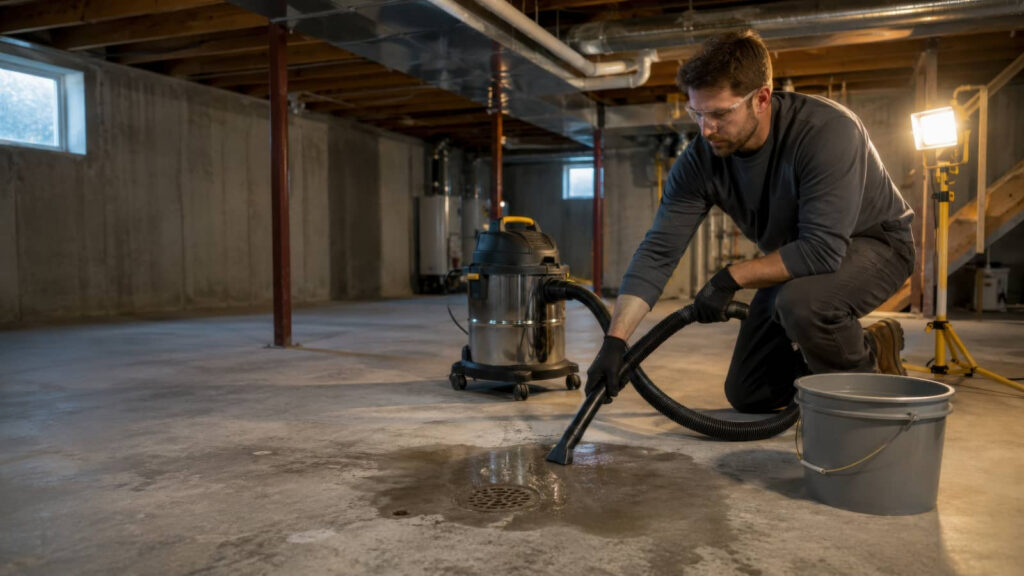
When you call water extraction services, technicians remove standing water fast with pumps, vacuums, and targeted extraction tools.
They then set up drying equipment and dehumidifiers to lower moisture in floors, walls, and air.
This process helps reduce structural damage and slows mold growth.
Emergency Water Removal
Even after a burst pipe is shut off, water can keep spreading into floors, walls, and subfloors, so emergency water removal starts immediately with fast extraction and moisture control.
You’ll work with a crew that arrives, inspects the source area, and maps visible water paths.
- Pump standing water from rooms
- Use weighted tools for carpets
- Remove water from tight cavities
- Protect unaffected rooms with barriers
- Document damage for your claim
This process helps you limit structural stress and reduce contamination spread.
You stay informed at each step, and the team keeps the job organized so you’re not guessing what comes next.
With prompt action, you protect your space and keep your home’s recovery on track as one community working toward normal again.
Drying and Dehumidification
Once the standing water is removed, the focus shifts to drying and dehumidification so hidden moisture doesn’t keep damaging materials.
You’ll see technicians place air movers to speed evaporation across floors, walls, and baseboards. Then they set dehumidifiers to pull water vapor from the air and keep humidity low.
This step matters because damp drywall, insulation, and subfloors can swell, warp, or grow mold fast.
You’re part of the process when you keep doors closed, avoid using HVAC unless directed, and report any soft spots or musty odors.
Crews often check moisture levels daily with meters, adjusting equipment until readings return to safe ranges.
That’s how your space dries fully and the damage stays contained for your crew and home.
What Crews Remove After a Burst Pipe
Crews remove standing water first, then extract soaked carpet, padding, insulation, drywall, and damaged debris to stop further spread and limit mold risk.
You’ll usually see a focused teardown that protects the remaining structure and keeps your space manageable. Crews may remove:
- wet carpet and tack strips
- saturated underlayment and padding
- blown-in or batt insulation
- softened drywall and baseboards
- ruined furniture, boxes, and contents
They also pull out contaminated materials, bag debris, and clear access for drying equipment.
You stay informed while the team sorts what can be saved from what can’t. This targeted removal helps your home recover faster, and it gives you a clean starting point for repairs.
Why Fast Water Extraction Prevents Mold
Fast water extraction matters because mold can start growing within 24 to 48 hours when moisture stays trapped in carpet, drywall, wood, or insulation.
When you remove water quickly, you lower humidity, cut off the moisture mold needs, and help protect building materials from decay. You also reduce the time spores have to settle and colonize.
That means your cleanup team can dry the structure faster and keep the affected area more controllable. Acting fast gives you a better chance of preserving surfaces, limiting odor, and avoiding a larger remediation job.
If you’ve dealt with a burst pipe, speed isn’t optional; it’s the key step that keeps your home safer and helps your household get back to normal with less disruption and stress.
Signs Water Damage Has Spread
If the water has spread beyond the original burst area, you’ll usually see damage in adjoining rooms, not just around the pipe. You can confirm spread by checking for:
- Discolored baseboards
- Soft, swollen flooring
- Peeling paint or bubbling finish
- Damp carpet edges
- Musty odor near shared walls
You may also notice staining at ceiling seams below the leak.
Press lightly on trim and flooring; if they feel spongy, water’s likely moved farther than you thought. Track where moisture appears so you can tell the extractor where to focus.
When you act fast, you stay ahead of hidden damage and keep your space safer. If several surfaces show symptoms at once, don’t wait—schedule water extraction services right away.
Drying Walls, Floors, and Ceilings
You need to remove moisture from walls quickly to prevent hidden damage and mold growth.
Use targeted drying equipment on ceilings and floors to pull trapped water from structural materials.
Keep monitoring surface and core moisture until readings return to safe levels.
Wall Moisture Removal
Wall moisture removal starts with rapid drying of affected walls, floors, and ceilings to limit swelling, warping, and hidden mold growth.
You should inspect each surface, then pull moisture from the wall cavity with targeted airflow and dehumidification. This helps you protect your space and stay ahead of costly repairs.
- Check baseboards and trim for trapped moisture
- Remove saturated insulation only when needed
- Open wall cavities where readings stay high
- Run air movers along damp surfaces
- Verify dryness with a moisture meter
You’ll know the process is working when readings drop and materials feel stable.
Keep monitoring for 24 to 48 hours, because fast response keeps your home safer and supports a smoother recovery for everyone involved.
Ceiling And Floor Drying
Once wall moisture is under control, focus on the ceiling and floor to stop trapped water from spreading and causing structural damage.
You should check for sagging drywall, damp insulation, and soft subfloors. Use moisture meters to map wet zones, then position air movers to push dry air across surfaces.
Run dehumidifiers to pull vapor from the room and speed evaporation. Open access points where needed so hidden cavities can dry.
If you’re working on carpet, lift the pad and dry both layers separately. On hard flooring, protect seams and baseboards while you dry.
Stay with your crew, track readings daily, and keep airflow consistent. Fast, methodical drying helps your space recover cleanly and keeps your team confident together.
How to Document Damage for Insurance
Start documenting the burst-pipe damage immediately so your insurance claim has clear, usable evidence. You’ll protect your case by capturing the scene before cleanup changes it. Use your phone, and keep each file time-stamped and labeled. Stay methodical, so you and your adjuster can track the loss with confidence.
Photograph the pipe, waterline, walls, floors, and contents.
Record short video walkthroughs of affected rooms.
Save receipts for temporary repairs and supplies.
Write down dates, times, and the leak source.
Create a simple inventory of damaged items with values.
Back up everything in cloud storage and email copies to yourself. If you can, note moisture readings and visible staining. Clear records help your claim move faster and show you’re handling the situation like a pro.
How to Choose Water Extraction Services
How do you choose the right water extraction service when every minute counts? Start with a company that answers fast, shows up with industrial pumps, air movers, and moisture meters, and explains its plan clearly.
You want licensed, insured technicians who handle burst-pipe jobs every week, not a crew learning on your walls. Ask if they offer 24/7 dispatch, direct communication, and written estimates before work begins.
Check reviews for response time, professionalism, and follow-through. Make sure they coordinate well with your plumber and give you one point of contact, so you’re not chasing updates.
Choose a team that respects your home, protects your schedule, and helps you feel supported from the first call.
What Happens After the Water Is Gone
After the standing water is removed, the job shifts to drying, cleaning, and verifying that hidden moisture isn’t left behind. You’ll see technicians place air movers and dehumidifiers to drive moisture out of walls, flooring, and framing.
They’ll inspect with meters, checking for damp insulation, baseboards, and subfloors. You stay safer when they clean affected surfaces and apply antimicrobial treatment if needed.
- Measure moisture in every zone
- Remove soaked materials
- Ventilate trapped cavities
- Disinfect exposed surfaces
- Confirm drying before repairs
This phase protects your home from mold, swelling, and odors. It also helps you rejoin a dry, stable space with confidence.
When readings return to normal, repairs can begin, and you can move forward knowing the loss was handled correctly.
Frequently Asked Questions
How Much Do Water Extraction Services Usually Cost?
You’ll usually pay $300 to $1,000 for water extraction, depending on damage size, access, and drying needs. You can lower costs by acting fast, documenting damage, and choosing a reputable crew with clear pricing.
Can I Stay Home During Water Extraction?
Yes, you can stay home if the crew deems it safe, but keep an eye on humidity, power, and access. Don’t throw caution to the wind; follow their instructions and stay nearby for updates.
Are Water Extraction Services Available 24/7?
Yes, you can usually get 24/7 water extraction services. You should call right away, because crews respond fast, assess damage, remove water, and help protect your property, so you’re not dealing with this alone.
Will My Belongings Be Saved During Extraction?
Yes, you can often save many belongings if you act fast. You should move items, and technicians will extract water, dry materials, and protect valuables. Delays increase damage, so you’ll want rapid response.
Do I Need Permits for Burst Pipe Cleanup?
Usually, you don’t need permits for cleanup alone, but you might if you’re tearing out walls, replacing plumbing, or handling major structural repairs. Check local codes fast—you’ll dodge a bureaucratic hurricane and protect your home.
Review
You might think a burst pipe is only a cleanup problem, but the real damage often starts later. Fast water extraction services can prove that theory wrong by removing standing water, drying hidden moisture, and reducing mold risk before it spreads. If you act quickly, you protect walls, floors, ceilings, and your insurance claim. After the water’s gone, you can move into repairs with far less structural damage and disruption.
Recent Posts
The Professional Water Extraction Services Process
You may be surprised how quickly hidden water can spread behind walls and under floors.
How Water Extraction Services Remove Standing Water
When water shows up uninvited, time works against you. You start with a site assessment
Emergency Water Extraction Services After Flooding
Many people face water damage emergencies each day in the U.S., and you can’t afford