
Contents
When a pipe bursts, you need to act fast: shut off the main water supply, cut power if water is near outlets or equipment, and document the damage before you move anything. Then call your insurer, start removing wet items, and dry the area to limit mold. But hidden moisture can spread farther than you think, and the real damage often shows up later…
Key Takeaways
- Shut off the main water valve immediately to stop the flooding and limit further damage.
- Turn off electricity if water is near outlets or appliances, and avoid standing water.
- Take photos and notes of all damage for insurance documentation.
- Remove wet belongings and contact a plumber and your insurance company promptly.
- Dry, repair, and inspect the area, then prevent future bursts with insulation and maintenance.
Stop the Water at the Source
If water is still flowing, shut off the main water valve immediately to stop further flooding.
Then confirm the leak has stopped by checking the pipe, fixtures, and visible pooling. If you can safely reach the damaged section, close any nearby isolation valve too.
This first step matters when you’re dealing with water damage from burst pipes what to do, because every minute adds more saturation to floors, walls, and belongings. Move fast, but stay methodical: trace the source, note the affected rooms, and limit access so you don’t spread water.
If the break is outside your home, shut off the curb valve or call your water provider right away. You’re taking control now, and that keeps the rest of the cleanup manageable.
Shut Off Power and Stay Safe
If water is near outlets, appliances, or the breaker panel, turn off electricity at the main breaker if you can do so safely.
Don’t step into standing water, since it can hide electrical hazards and unstable flooring.
Use only dry, clear paths when you move through the area.
Turn Off Electricity
Before you enter any flooded area, shut off power to the affected section of the home at the main breaker if you can do so safely.
If water has reached outlets, appliances, or wiring, treat the space as energized until you verify otherwise.
Use a dry location to access the panel, and stand clear of wet floors, metal surfaces, and damp tools.
If the breaker box is in a compromised area, don’t touch it; call your utility company or a licensed electrician.
Turn off individual circuits for affected rooms once the main power is secure.
Keep everyone in your household away from the area until a professional confirms it’s safe.
Acting fast helps protect your home, and it keeps your crew safe too.
Avoid Standing Water
Once the power is off, avoid standing water and keep everyone out of the flooded area. Water can hide hazards, so treat every puddle as unsafe until you know it’s clear.
Wear rubber boots and gloves only if you must check the room, and never step into water near outlets, cords, or appliances. If the floor is deep, soft, or buckling, back out and wait for help.
Keep children and pets away, and close the door if you can. Your community stays safer when you mark the area and limit access.
If water is creeping toward other rooms, alert everyone in the home right away. Stay alert for slippery surfaces and damaged flooring, and don’t rush cleanup before the area is secure and stable.
Use Dry Entry Paths
Cut power at the main breaker and use only dry, safe paths to move through the home. You’re protecting yourself and everyone else when you avoid wet floors, soaked rugs, and damaged outlets.
Keep your footing on hard, dry surfaces and wear insulated boots if you have them. Move with purpose, not speed, and don’t touch switches, appliances, or cords in flooded areas.
- Enter only if the route is visibly dry.
- Mark unsafe rooms and blocked hallways.
- Use a flashlight, not open flames.
- Exit immediately if you smell burning or hear crackling.
Stay together, communicate clearly, and let the space dry before you recheck it. If you’re unsure, wait for a pro.
Document Burst Pipe Water Damage
Take clear photos of every affected area before you move or clean anything.
Record damaged items, including their location, condition, and approximate value, so you’ve got a solid claim record.
Keep timestamps and notes with each image to support your insurance report.
Take Clear Photos
Before you move or clean anything, photograph the burst pipe damage from multiple angles so you’ve got a clear record for your insurer and repair team.
Capture wide shots of each affected room, then move closer for the pipe, ceiling, wall, and floor areas. Keep the scene unchanged while you work, and use good lighting so details stay visible. If your phone has it, enable date stamps or make sure timestamps save automatically.
- Take overview photos first.
- Shoot close-ups of wet materials.
- Include visible water lines and stains.
- Save copies in a dedicated folder.
This record helps you explain the loss clearly, stay organized, and work with the rest of the response team.
Record Damaged Items
Once you’ve photographed the scene, make a written inventory of every item the burst pipe damaged.
List each object, room, and material affected, including flooring, drywall, insulation, furniture, electronics, clothing, and stored belongings.
Note the make, model, age, estimated value, and visible condition. If you can, add serial numbers and purchase dates.
Keep your notes organized by room so your insurer and restoration team can verify losses fast.
Use a spreadsheet, notebook, or claims app, and back up the file in cloud storage.
Include wet, swollen, stained, warped, or mold-prone items, even if they still work.
This record helps you feel in control, stay coordinated with your support team, and prove the full scope of damage.
Contact Your Insurance Company
Contact your insurance company as soon as you can, even if you’re still dealing with the immediate cleanup. You’ll protect your claim by reporting the burst pipe early and giving clear facts.
Have your policy number ready, then follow their reporting process. Keep your tone calm and direct; you’re part of a community of homeowners who handle this step fast.
- Share the date, time, and location of the leak.
- Describe the visible damage and the likely source.
- Ask what photos, receipts, or forms they need.
- Write down the claim number and adjuster’s contact details.
Don’t guess at repair costs or coverage. Let the insurer tell you what’s included, what’s excluded, and whether they need an inspection.
Move Furniture and Wet Belongings
Now that you’ve reported the damage, clear the area fast by moving furniture and wet belongings out of the affected space.
Prioritize items that can trap moisture, such as rugs, cushions, books, electronics, and storage bins. Lift pieces instead of dragging them so you don’t spread water or damage flooring. If an item is too heavy, get help and work as a team; safety matters more than speed.
Place salvageable belongings in a dry room with good airflow and keep wet items separated from dry ones. Remove drawers, cushions, and loose fabrics so each piece can air out.
If possible, set furniture on blocks or foil to limit contact with damp surfaces. Stay organized, label damaged items, and keep a clear path for everyone involved.
Dry the Area Before Mold Starts
Start drying the affected area immediately to limit mold growth and further damage. You and your household can act fast with steady, practical steps that protect your space and keep repairs manageable. Aim airflow across wet surfaces, and keep humidity low so moisture leaves materials before spores can settle.
Open windows if outdoor air is drier.
Run fans to move air over floors and walls.
Use a dehumidifier to pull moisture from the room.
Replace saturated towels or materials as they become damp.
Check surfaces often, and keep drying until they feel fully dry. If you work together now, you reduce repair costs and help your home recover faster.
Look for Hidden Water Damage
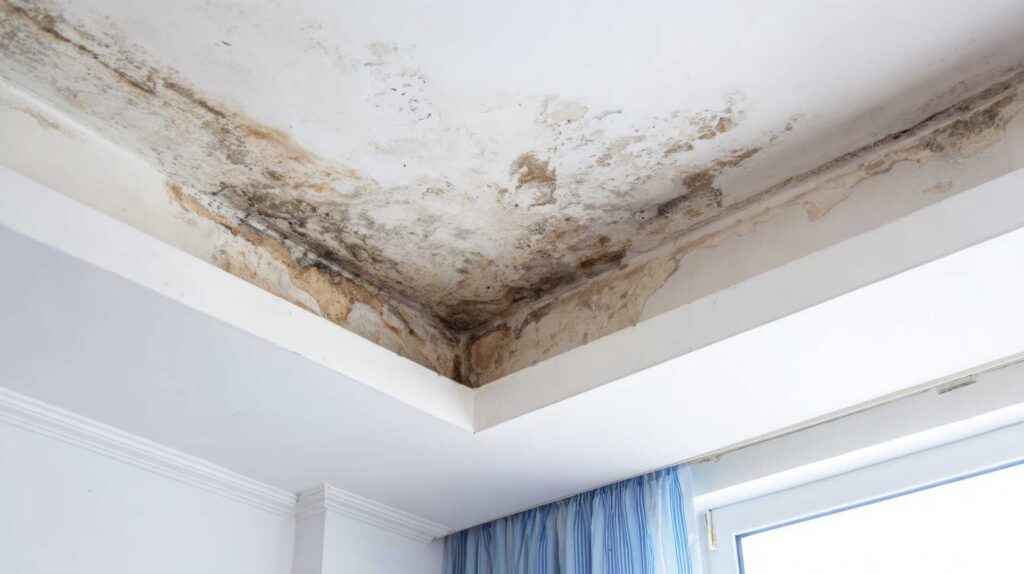
Even after visible water is gone, check for hidden damage behind walls, under flooring, and inside cabinets, since trapped moisture can keep spreading and weaken materials.
You should inspect baseboards, trim, drywall seams, and flooring edges for swelling, staining, or soft spots. Use a flashlight and press gently on surfaces to find flexing or buckling.
Open cabinet doors and drawers to inspect corners, backs, and toe kicks. If you notice a musty smell, damp insulation, or peeling paint, moisture may still be present.
A moisture meter helps you confirm wet areas that look dry. Document each affected spot with photos and notes so you can track changes and stay organized.
Acting now helps you protect your home and gives you a clear path forward together.
Repair the Pipe and Replace Damaged Materials
Once you’ve identified the source of the burst, shut off the water, drain the lines, and arrange for a licensed plumber to repair the pipe properly. You’ll get a safer, cleaner result when the repair matches the pipe material, joint type, and pressure rating.
After that, replace any drywall, insulation, flooring, or trim that stayed wet too long.
- Remove ruined sections cleanly.
- Cut back to solid, dry material.
- Install new matching pipe and fittings.
- Rebuild surfaces with dry, code-compliant materials.
You don’t need to guess what’s salvageable; check for swelling, crumbling, staining, or odor. If a material can’t dry quickly and fully, replace it.
That keeps your home structurally sound and helps your household feel settled again after the disruption.
Prevent Another Burst Pipe
To reduce the chance of another burst pipe, insulate exposed plumbing, seal drafts near walls and crawlspaces, and keep indoor temperatures above freezing during cold weather.
Then, drain outdoor hoses, shut off exterior spigots, and use insulated covers on hose bibs. You should let faucets drip during deep freezes to keep water moving and reduce pressure.
Check pipe joints, valves, and visible lines for corrosion, leaks, or vibration, then fix weak spots quickly.
If your home has a crawlspace or attic, add vapor barriers and more insulation where pipes run.
Schedule a licensed plumber to test water pressure and inspect aging sections.
These steps help protect your home and keep your household safer, confident, and ready for the next cold snap.
Frequently Asked Questions
How Do I Tell if the Water Is Contaminated?
You can’t tell by sight alone; if the water smells foul, looks discolored, came from sewage lines, or touched insulation, assume contamination. Wear gloves, avoid contact, and test it professionally before cleanup.
Can I Use My Home During the Cleanup?
You can stay only if the area’s dry, safe, and odor-free; then, oddly enough, you’ll feel at home amid fans and tarps. If contamination, mold, or electrical risk exists, you shouldn’t remain.
How Long Does Water Damage Restoration Usually Take?
You’ll usually need 3–7 days for drying, but full restoration can take 1–4 weeks, depending on saturation, materials, and mold risk. You’ll work faster with immediate mitigation, professional drying, and coordinated repairs.
Should I File a Claim Before Getting Repair Estimates?
Yes—file the claim first, because time matters; then document damage, gather photos, and request estimates. As they say, haste makes waste, but you’ll protect coverage, speed approval, and strengthen your repair case.
What Temporary Lodging Options Are Available?
You can stay with family, book a hotel, use a short-term rental, or ask your insurer about emergency housing. If you’ve got a serious leak, don’t wait—choose safe lodging fast and keep receipts.
Wrap-Up
When a pipe bursts, you need to act fast—time is money. Stop the water, shut off power, and document every detail before you call your insurer. Move wet items, dry the area, and check for hidden damage so mold doesn’t take hold. Then hire a licensed plumber to fix the source and replace damaged materials. By responding quickly and carefully, you protect your home, limit losses, and prevent another costly emergency.
Recent Posts
How Property Damage Restoration Companies Assess Damage
Before a restoration crew starts work, property damage restoration begins with evaluating hidden hazards, not
Cost of Property Damage Restoration Services Explained
When you face property damage, the restoration cost can shift fast depending on the damage
Property Damage Restoration Insurance Claims Guide for Homeowners
After property damage, property damage restoration insurance claims require you to move quickly, document everything,