
Contents
When water shows up uninvited, time works against you. You start with a site assessment to measure the damage, then crews use truck-mounted extractors, portable wet vacuums, and submersible pumps to remove standing water fast. After that, they run air movers and dehumidifiers to pull moisture from hidden areas before mold or structural issues can set in, and what they do next can make all the difference.
Key Takeaways
- Technicians first assess the site, map wet areas, and check for electrical hazards before starting removal.
- Standing water is removed using truck-mounted extractors, portable wet vacuums, and submersible pumps.
- Squeegees, mops, and carpet wands help direct water toward extraction equipment in hard-to-reach areas.
- Hidden moisture is checked with moisture meters and thermal cameras, then exposed materials are dried.
- Air movers, dehumidifiers, cleaning, and antimicrobial treatment finish the process and prevent mold growth.
Why Fast Water Extraction Matters
When water sits too long, it quickly soaks into flooring, drywall, and insulation, increasing the risk of structural damage and mold growth.
You protect your property by acting fast, because every minute lets moisture migrate farther and makes recovery harder. Quick response limits warping, delamination, corrosion, and hidden contamination that can affect your home’s safety and comfort.
You also reduce downtime, so you can get back to normal sooner and keep your space feeling like yours.
In practice, how water extraction services remove standing water matters because rapid removal lowers saturation before materials fail.
When you choose prompt service, you join others who value control, cleanup efficiency, and a healthier indoor environment after flooding or leaks.
How the Water Extraction Process Begins
Once water extraction services arrive, they start with a site assessment to locate standing water, identify affected materials, and determine the safest removal method.
You’ll see them map the wet zones, check floor types, and note saturation in carpets, padding, drywall, and subflooring. They also verify electrical hazards, shut off affected systems when needed, and establish safe work paths.
This first step helps your team prevent spread, reduce structural stress, and choose an efficient extraction plan. They’ll communicate what’s salvageable, what needs removal, and where moisture has migrated beyond visible pooling.
What Tools Remove Standing Water
Water extraction services use specialized tools to remove standing water quickly and safely.
You’ll usually see truck-mounted extractors, portable wet vacuums, and submersible pumps working together to pull water off floors, carpets, and hard surfaces. Extractors create strong suction, while pumps move larger volumes from low spots, basements, and crawl areas.
Technicians also use squeegees, mops, and weighted carpet wands to guide water toward the equipment and speed pickup. Moisture meters and thermal cameras help you verify where water remains, so the crew can target the right areas.
When you choose a trained team, you’re not just getting equipment; you’re getting a process that protects your space and helps your property get back to normal fast.
How Pros Dry Hidden Moisture
After the visible water is removed, pros dry hidden moisture by opening up wet materials and moving conditioned air through the space.
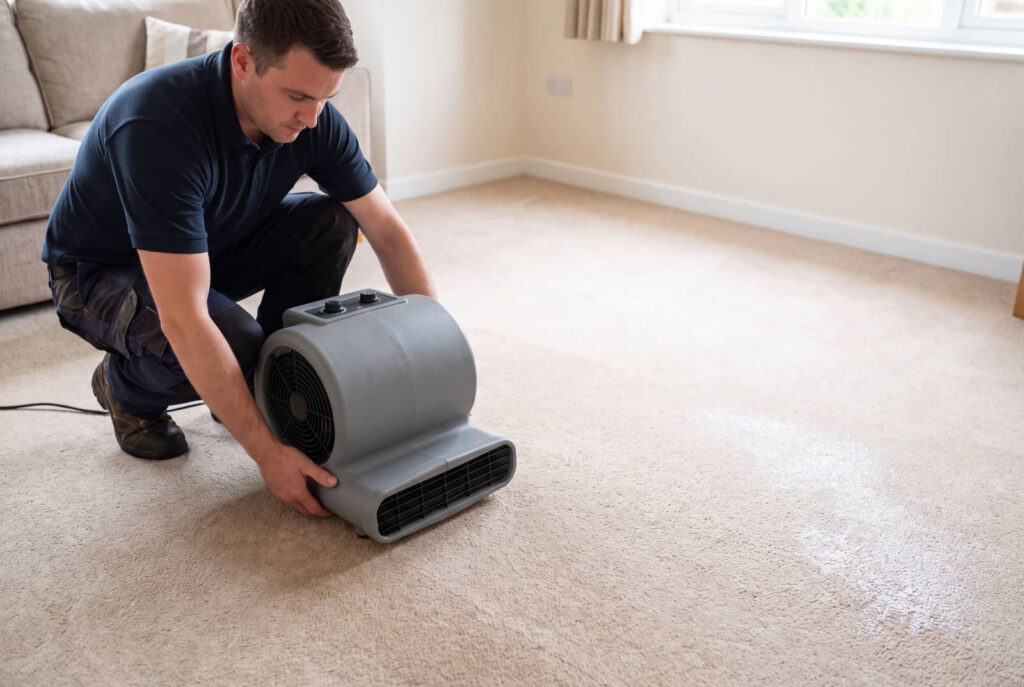
You’ll see them remove baseboards, lift carpet edges, and expose cavities so airflow can reach trapped dampness. They place air movers to push steady air across surfaces and set dehumidifiers to pull vapor from the air.
Moisture meters guide each adjustment, so you know the drying plan targets the wettest spots first. This step matters because materials can feel dry while still holding water inside.
- Open wall and floor voids
- Increase airflow through wet layers
- Lower indoor humidity fast
- Monitor moisture readings often
- Dry to a measurable target
What Happens After Extraction Ends
When the standing water is gone, technicians inspect the area for hidden saturation, document damage, and decide what still needs drying or removal.
You’ll usually see moisture meters, thermal imaging, and close checks of baseboards, subfloors, and wall cavities. If materials stay wet, the team sets air movers, dehumidifiers, or targeted removal to stop mold and structural issues.
They may also clean affected surfaces, apply antimicrobial treatment, and separate salvageable items from unsalvageable ones.
You stay informed through clear updates, so you know what’s drying, what’s being discarded, and when each step should finish.
This phase turns extraction into restoration, helping your property move from emergency response to a controlled recovery with fewer surprises.
Frequently Asked Questions
How Much Does Water Extraction Service Typically Cost?
You’ll typically pay $500–$3,000 for water extraction, depending on damage, area size, and response time. You can save money by acting fast, because standing water worsens structural issues, mold growth, and cleanup complexity quickly.
Does Homeowner Insurance Cover Water Extraction Services?
Yes, your homeowner’s insurance might cover water extraction services, but coverage depends on the cause. You’ll usually get help for sudden damage, not neglect. Check your policy, document losses, and call your insurer fast.
How Long Does Water Extraction Usually Take?
You’ll usually see water extraction take 1 to 4 hours, depending on flooding depth, room size, and equipment. You can speed it up by clearing access, and technicians’ll monitor moisture until the area’s dry.
Can I Stay in My Home During the Extraction Process?
Yes, you can often stay, unless technicians cordon off rooms—because nothing says “home sweet home” like industrial fans and hoses. You’ll need safe access, follow directions, and avoid treated areas until they’re dry and stable.
When Should Mold Testing Be Done After Water Damage?
You should test for mold within 24 to 48 hours after water damage, once standing water’s gone. If materials stay damp longer, you’ll need testing sooner, so you can protect your home and crew quickly.
Conclusion
When you act fast, you limit damage and cut the risk of mold growth. For example, if a burst pipe leaves your basement under two inches of water, a technician can assess the area, extract the standing water with a truck-mounted unit or wet vac, then place air movers and dehumidifiers to dry hidden moisture. After that, you’re left with a safer, drier space and a much lower chance of costly repairs.
Recent Posts
Emergency Water Extraction Services After Flooding
Many people face water damage emergencies each day in the U.S., and you can’t afford
Water Extraction Services: How Professionals Remove Water Fast
When water hits your property, you need fast extraction before damage spreads. You’ll see crews
Emergency Property Damage Restoration Checklist for Homeowners
When property damage hits your home, the first hour matters most. You need to make