
Contents
When you’re deciding between property damage restoration and home repair, the difference usually comes down to scope, risk, and the condition of the structure behind the surface. You might fix a visible issue with a repair, but restoration addresses moisture, smoke, mold, and hidden damage that can spread through multiple rooms. The real challenge is knowing when a problem is contained and when it’s already affecting the whole system, because that choice changes everything.
Key Takeaways
- Property damage restoration returns a home to safe, pre-loss condition after water, fire, mold, or structural damage.
- Home repair handles routine maintenance or isolated fixes, such as drywall, trim, leaks, or broken fixtures.
- Restoration is more complex and often requires inspection, drying, cleaning, sanitation, demolition, and rebuilding.
- Restoration is usually needed when damage is hidden, widespread, or affects multiple rooms and building systems.
- Repair costs are typically lower, while restoration may cost more but can include insurance-covered damage recovery.
Property Damage Restoration vs. Home Repair
When you’re comparing property damage restoration vs. home repair, the key difference is scope: restoration focuses on returning a property to a safe, pre-loss condition after damage from water, fire, mold, or other hazards, while home repair typically addresses routine maintenance or isolated fixes.
You’re not just patching visible issues; you’re responding to complex conditions that can affect structure, air quality, and occupant safety. Restoration work often requires coordinated assessment, drying, cleaning, containment, and verification, so you can regain confidence in the space.
Home repair, by contrast, usually targets a single component, like a leak or broken fixture. If you want your property handled correctly, you need the right service for the problem, and that distinction helps you feel informed, supported, and included in the process.
What Restoration Actually Covers
Restoration actually covers far more than visible cleanup or cosmetic fixes. You’re getting a coordinated process that addresses water, fire, smoke, mold, and contamination at their source.
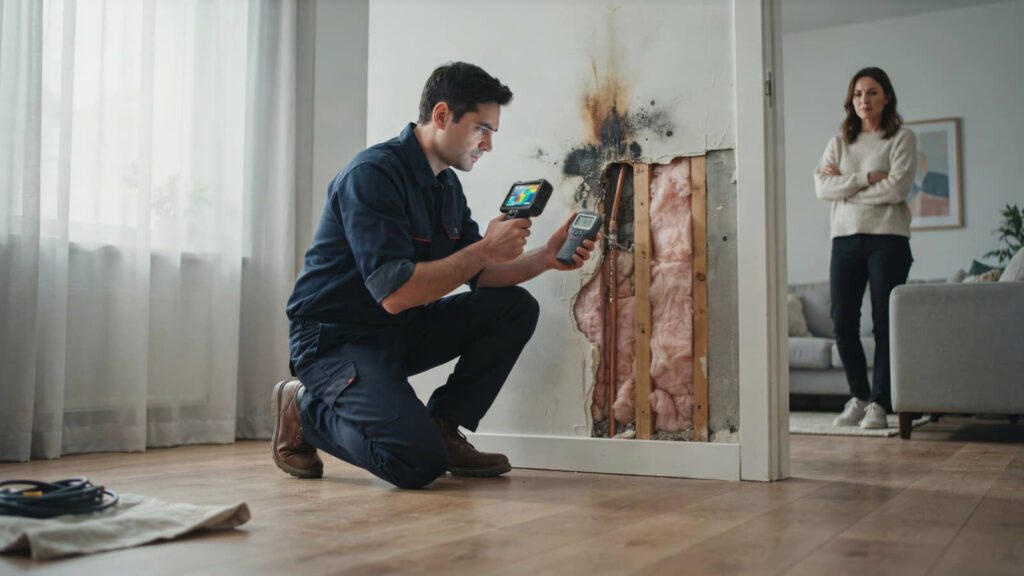
Technicians inspect structural materials, document losses, and use moisture meters, thermal imaging, and air-quality testing to map the full extent of damage. They remove unsalvageable materials, dry hidden cavities, clean affected surfaces, and apply antimicrobial or deodorizing treatments when needed.
You also benefit from controlled containment, HEPA filtration, and debris handling that help protect the rest of your property. Throughout the job, the team tracks conditions, verifies drying goals, and prepares your space for safe occupancy.
That means restoration isn’t just cleanup; it’s a technical response that helps your home or business recover as a whole, with your concerns understood and addressed.
Home Repair vs. Restoration
When you compare home repair and restoration, you’ll first notice the scope of work: repair fixes isolated issues, while restoration addresses broader property damage.
You’ll also see a difference in damage severity, since restoration is typically used after events like water, fire, or mold exposure.
The process differs too, because restoration usually includes assessment, mitigation, and cleanup before any final repairs begin.
Scope of Work
The scope of work in home repair usually stays narrow, focusing on fixing a specific visible issue such as drywall, trim, flooring, or a leaking fixture. You typically hire one trade, complete one task, and return the area to normal use.
Restoration, by contrast, expands beyond the surface fix. You may need coordinated steps such as inspection, documentation, material removal, cleaning, drying, sanitation, and final rebuilding. That broader workflow helps protect the structure and supports a cleaner, safer result.
When you understand the difference, you can choose the right team and avoid mismatched expectations. Home repair gives you a targeted solution; restoration gives you an integrated process that addresses the affected area from start to finish.
Damage Severity
Damage severity is one of the clearest ways to tell home repair apart from restoration. If you’re dealing with minor, localized issues, you’re usually in home repair territory; if damage is widespread, hidden, or impacts structural integrity, restoration fits better.
You can use these cues:
- Surface-only damage usually calls for repair.
- Multiple affected rooms often point to restoration.
- Moisture, smoke, or mold intrusion increases severity.
- Compromised materials or systems signal deeper recovery needs.
When you assess severity accurately, you protect your home and your peace of mind.
You also align with the right team, so you’re not overhandling small problems or underestimating serious ones. That clarity helps you move forward with confidence and feel supported.
Process Differences
Repair and restoration follow different workflows because they solve different kinds of problems.
In home repair, you usually start with a visible issue, confirm the failed component, remove it, and install a like-for-like replacement. You can often schedule the work once materials arrive, and you’ll see a direct path from diagnosis to completion.
Restoration is more layered. You first assess damage, document conditions, stop further loss, and stabilize the site.
Then you may dry, clean, sanitize, remove unsalvageable materials, and verify that hidden moisture, soot, or contaminants are gone.
You’ll also coordinate inspections and insurance records. That process helps you feel supported because every step protects your space, your timeline, and your confidence in the outcome.
Water, Fire, and Mold Damage
When water, fire, or mold affects your property, you need a fast, controlled response to limit structural deterioration and secondary damage.
You should document the affected areas, stop the source of intrusion or combustion byproducts, and begin mitigation before contamination spreads.
For fire and mold cases, you’ll also need targeted remediation to remove residues, neutralize hazards, and restore safe indoor conditions.
Water Damage Response
A rapid response matters most after water, fire, or mold exposure because the first hours often determine how much of the structure and contents you can save.
You’ll want a restoration team to assess moisture, map affected materials, and begin extraction before hidden damage spreads. Their job isn’t just drying; it’s stabilizing your space with precision and care, so you feel supported through each step.
- They locate source water and stop ongoing intrusion.
- They remove standing water and saturated items quickly.
- They measure humidity and moisture in walls, floors, and framing.
- They set drying equipment to reach safe levels efficiently.
You stay informed, and you’re never left guessing. That’s the difference between routine repair and true restoration.
Fire And Mold Remediation
Fire and mold damage demand the same immediate, methodical response as water intrusion, but with different hazards and cleanup priorities.
You should isolate the affected area, shut down HVAC airflow, and document soot, moisture, and visible growth before disturbing anything.
Fire remediation focuses on removing charred materials, deodorizing porous surfaces, and checking structural integrity, wiring, and insulation.
Mold remediation requires controlling moisture, HEPA filtration, containment, and discarding contaminated materials that can’t be cleaned.
In both cases, you’re protecting your home and your team’s health by using PPE, negative air pressure, and verified drying or cleaning targets.
A restoration specialist helps you stay confident, informed, and aligned with a safer, fully recovered property.
The Restoration Process, Step by Step
Before any repairs begin, a restoration crew follows a structured process to stabilize the property, assess the full extent of the damage, and identify what can be salvaged.
You’ll see each phase build on the last, so the work stays controlled and efficient.
Inspect and document: You get a detailed assessment, moisture readings, and photo records.
Secure and contain: The team shuts down hazards, limits spread, and protects unaffected areas.
Remove and dry: Crews extract water, debris, and damaged materials, then dry hidden cavities with monitored equipment.
Clean and verify: Technicians clean, sanitize, and confirm safe conditions before any final rebuilding starts.
This step-by-step approach helps you understand what’s happening, why it matters, and how your property moves from damage to recovery with confidence and care.
What Home Repair Can Safely Handle
Once the property has been stabilized and the damaged areas are clearly documented, you can start separating what a homeowner can safely manage from what needs a restoration team.
You can usually handle minor cosmetic repairs, such as repainting dry walls, replacing baseboards, reattaching trim, and patching small nail holes. If surfaces are fully dry, you can clean nonporous materials, remove loose debris, and replace damaged caulk or weatherstripping.
You can also handle simple fixture swaps, like damaged cabinet hardware or outlet covers, if power is off. Focus on areas where the structure, wiring, insulation, and plumbing weren’t affected.
If you notice soft drywall, staining, odors, or warped materials, stop and call professionals. Your home should feel safe, and your repairs should support that standard.
Restoration vs. Repair Costs
How do restoration and repair costs really compare? You’ll usually pay less for repair because you’re replacing a visible, isolated issue, while restoration addresses hidden damage, contaminated materials, and drying or remediation labor. That broader scope raises costs, but it also protects your home’s structure and indoor environment.
Repair often uses fewer trades and materials.
Restoration may need demolition, extraction, dehumidification, or sanitizing.
Time on site can increase labor charges.
Insurance may cover more restoration-related expenses.
You’re not just comparing price tags; you’re comparing risk, scope, and long-term performance.
If you want your home to stay solid and your household to feel secure, understanding those cost differences helps you make a smarter, more confident decision.
How to Choose the Right Service
Which service fits your situation depends on the type and extent of the damage.
If you’re dealing with water intrusion, mold, fire residue, or structural instability, choose restoration because you need mitigation, drying, sanitation, and code-aware recovery.
If the issue is cosmetic, localized, and stable, home repair may be enough.
Ask whether hidden damage exists, whether materials are contaminated, and whether the area can safely stay in use.
You’ll also want documentation, insurer coordination, and a clear scope from the contractor.
A qualified restoration team should inspect moisture levels, affected assemblies, and air quality before you commit.
When you choose the right service, you protect your home, your budget, and your community of trusted professionals.
Frequently Asked Questions
How Long Does Insurance Approval Usually Take for Restoration Claims?
Insurance approval usually takes 24 to 72 hours for straightforward restoration claims, but complex losses can take a week or more. You should submit complete documentation early, because delays often come from missing photos, estimates, or policy details.
Can I Stay in My Home During Restoration Work?
Usually, you can, but it’s a storm of variables. You’ll stay only if hazards, dust, moisture, and utility shutdowns are controlled; your team will isolate work zones, monitor air quality, and protect your belongings.
What Certifications Should a Restoration Company Have?
You should verify IICRC certifications, plus state licensing, mold, asbestos, and water-damage credentials. You’ll also want trained technicians, insurance, and safety compliance, so you can trust they’ll protect your home and team.
How Do I Know if Hidden Damage Is Present?
If you smell mustiness after a leak, you’ve got a clue; for example, a ceiling can look dry while insulation stays wet. You should use moisture meters, thermal imaging, and inspect behind walls for staining, swelling, or mold.
Are Emergency Restoration Services Available After Hours?
Yes, you can usually get emergency restoration services after hours, and they’ll respond fast to stabilize damage, extract water, secure your property, and reduce losses. You’re not alone; crews often dispatch 24/7.
Review
When you’re facing damage, choosing the right service matters. Restoration handles water, fire, or mold issues by evaluating hidden damage, drying materials, and rebuilding affected areas to return your home to a safe pre-loss state. Home repair, however, is best for isolated, surface-level problems. Why pay for a repair when the damage needs full remediation? You’ll protect your property, control costs, and get the right result by matching the service to the severity.
Recent Posts
When to Call Property Damage Restoration Services
You should call property damage restoration services as soon as you notice water stains, smoke
Property Damage Restoration Timeline for Homeowners
Some homeowners file a property damage claim at some point, and your timeline can move
Property Damage Restoration After Storms and Severe Weather
After a storm, property damage restoration starts with safely assessing the property, documenting all visible