
Contents
After a storm, property damage restoration starts with safely assessing the property, documenting all visible damage, and acting before moisture creates a larger problem. Water intrusion, hidden structural issues, and contaminated debris can escalate quickly if they aren’t addressed in the right order. The first decisions you make can shape the scope, cost, and timeline of restoration, and not every property is ready for cleanup simply because it looks that way.
Key Takeaways
- Inspect for hazards first, including downed power lines, gas leaks, structural damage, and standing water.
- Document all damage with photos, videos, and dated notes for your insurance claim.
- Remove standing water quickly and dry affected areas to prevent mold growth.
- Begin safe cleanup by removing debris, ventilating rooms, and discarding unsalvageable materials.
- Hire a licensed, insured storm restoration contractor with moisture remediation experience and proper documentation.
Inspect Property Damage Safely
Before you enter a storm-damaged property, make sure the area is safe by checking for downed power lines, gas leaks, structural instability, and standing water around electrical systems.
Wear protective gear, including boots, gloves, eye protection, and a hard hat, before you step inside.
You should inspect from the outside first, then move room by room, watching for sagging ceilings, broken glass, loose debris, and shifted foundations.
If you smell gas, hear hissing, or see sparks, leave immediately and call emergency services.
Stay alert for mold growth and contaminated water.
Keep your team close, communicate clearly, and follow a consistent inspection process.
Careful assessment helps you start property damage restoration after storms with confidence, supports safe decisions, and keeps everyone on your side during recovery.
Document Damage for Your Insurance Claim
Once the site is safe, document every area of damage for your insurance claim with clear photos, dated videos, and detailed written notes.
Capture wide shots first, then close-ups that show cracks, missing materials, dents, and any visible impact paths. Record each room, exterior face, roof line, windows, doors, and utility equipment from multiple angles.
Keep a simple log with the date, time, location, and brief descriptions of what you see. Save receipts for emergency repairs, tarps, and temporary protection, because insurers often ask for proof of loss mitigation.
Back up files to cloud storage and your phone, and label them clearly. Staying organized helps you present a credible claim and join the recovery process with confidence and control.
Remove Water and Prevent Mold
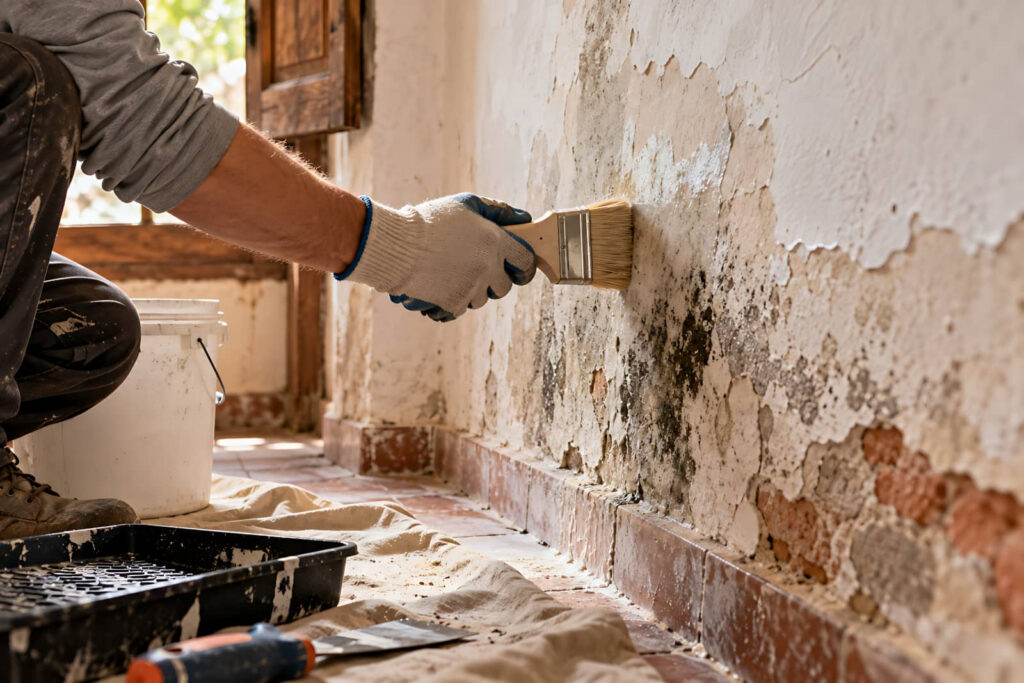
After you’ve documented the damage, move quickly to remove standing water and dry affected areas to reduce the risk of mold growth.
You should shut off affected utilities if needed, then inspect floors, walls, and insulation for hidden moisture. Use pumps, wet vacuums, or towels to clear water from hard surfaces, and open windows when weather allows to improve airflow.
Remove damp rugs, upholstery, and porous materials that hold water and can support mold. Keep indoor humidity low and monitor cool, enclosed spaces where moisture lingers.
Wear gloves and a mask to protect yourself from contaminants. If you act promptly, you’ll protect your property, support healthier indoor air, and stay aligned with a restoration team that understands what your home needs now.
Begin Emergency Cleanup and Dry-Out
With standing water removed, you can begin emergency cleanup and dry-out by clearing debris, discarding unsalvageable materials, and separating damaged items by type for faster restoration.
Wear gloves, boots, and a respirator if dust or mold is present. Open windows when weather allows, and run fans and dehumidifiers to pull moisture from walls, flooring, and contents.
Lift wet rugs, cushions, and furniture to promote airflow, and place aluminum foil or wood blocks under legs to limit staining. Remove saturated drywall and insulation that can’t dry quickly.
Keep salvageable items grouped together so you can track progress and reduce loss. Work methodically, document conditions, and stay alert for hidden moisture.
In your recovery team, consistency now helps everyone move forward with less stress.
Choose a Storm Damage Contractor
Choose a storm damage contractor who can assess structural, water, and mold-related issues quickly and provide a clear scope of work. You’ll want a licensed, insured team with proven experience in emergency restoration, roofing, framing, and moisture remediation.
Ask for references, certifications, and photo documentation from similar jobs. A reliable contractor should explain mitigation steps, estimate timelines, and coordinate with your insurer without adding confusion. You deserve a partner who keeps your property, safety, and schedule in focus.
Confirm they use moisture meters, thermal imaging, and proper containment when needed. Review the contract for materials, labor, and warranty terms before work starts.
When you choose the right crew, you join a community of homeowners who restore faster, reduce secondary damage, and move forward with confidence.
Frequently Asked Questions
How Soon Should I Contact My Insurance Company After a Storm?
You should contact your insurance company as soon as it’s safe, ideally within 24 hours. You’ll preserve coverage, document losses faster, and speed claims handling when your neighborhood is already coordinating recovery.
What Temporary Repairs Can I Make Before Help Arrives?
You can cover openings, tarp roofs, board windows, and shut off water or electricity if needed. You’ll protect your home, you’ll limit further damage, and you’ll stay connected to your restoration team.
How Do I Know if My Home Is Structurally Unsafe?
You’ll know your home’s structurally unsafe if walls bow, floors sag, doors jam, or cracks widen. If you see shifting foundations, separated framing, or hear creaking, leave immediately and call a structural engineer.
Can Storm Damage Affect My Electrical System?
Yes, storm damage can affect your electrical system, milord. You might have damaged wiring, tripped breakers, or compromised outlets. If you smell burning or see sparks, you should shut off power and call a licensed electrician.
What Records Should I Keep for Future Restoration Work?
Keep photos, videos, repair estimates, invoices, receipts, contractor contracts, inspection reports, warranties, insurance claims, correspondence, and cleanup logs. You’ll document damage, verify costs, support reimbursement, and streamline future restoration decisions, too.
Recap
When storms pass, you’re left to chart the path back to normal. Inspect the damage carefully, document every detail, and remove water before mold can take root. Then begin cleanup and drying like setting a foundation in wet cement—quick, precise, and essential. With a licensed storm damage contractor guiding repairs, you can restore safety, stabilize your property, and move forward with confidence, knowing you’ve protected both your home and your claim.
Recent Posts
How Property Damage Restoration Companies Assess Damage
Before a restoration crew starts work, property damage restoration begins with evaluating hidden hazards, not
Cost of Property Damage Restoration Services Explained
When you face property damage, the restoration cost can shift fast depending on the damage
Property Damage Restoration Insurance Claims Guide for Homeowners
After property damage, property damage restoration insurance claims require you to move quickly, document everything,