
Contents
You should call property damage restoration services as soon as you notice water stains, smoke residue, musty odors, or any structural shift after a storm. These signs often point to hidden damage that can spread fast and raise repair costs. A qualified team can assess the loss, document conditions, and stabilize the property before things worsen. Knowing what needs immediate action can make all the difference, and some warning signs aren’t obvious at first.
Key Takeaways
- Call restoration services immediately after water damage, especially if you see stains, leaks, or smell musty odors.
- Contact them after fire damage because smoke and soot can keep causing corrosion and odors even after flames are out.
- Get help for suspected mold when musty smells, discoloration, or high indoor humidity persist.
- Use restoration services after storm, roof, or siding damage, especially if the structure is sagging or cracked.
- Call right away for sewage backups or hazardous damage to protect occupants and prevent costly deterioration.
What Damage Restoration Covers
Damage restoration covers the professional cleanup, repair, and recovery work needed after events like water intrusion, fire, smoke, mold, or storm damage.
You get a coordinated response that stabilizes the site, removes hazardous materials, dries affected areas, and repairs damaged structures and finishes.
Technicians assess loss, document conditions, and use specialized equipment to control contamination and prevent further deterioration.
When to call property damage restoration services depends on how quickly you need trained help to protect your property and restore safe use.
You’re not facing the process alone; the team works with you, explains each step, and helps return your space to normal with precision, care, and dependable results.
Signs You Need Water Damage Help
You may notice water damage through visible stains on walls, ceilings, or floors, which often indicate a hidden leak or moisture intrusion.
If a musty odor lingers after drying efforts, you’re likely dealing with trapped moisture or microbial growth.
These warning signs mean you should act quickly to limit further structural damage and restore safe conditions.
Visible Water Stains
When water stains appear on ceilings, walls, or around trim, they often signal an active or past leak that needs attention. You might notice yellow, brown, or rust-colored patches, peeling paint, or soft drywall near the mark.
These stains often spread as moisture migrates through building materials, so you shouldn’t ignore them. Even if the spot looks dry today, hidden damage can still be developing behind the surface.
A restoration professional can trace the moisture source, measure the affected area, and stop further deterioration before it reaches framing or insulation. Acting early helps protect your home and keeps your space safe, comfortable, and welcoming for everyone who lives there.
If you see new discoloration, trust your instincts and get it checked promptly.
Musty Odors Lingering
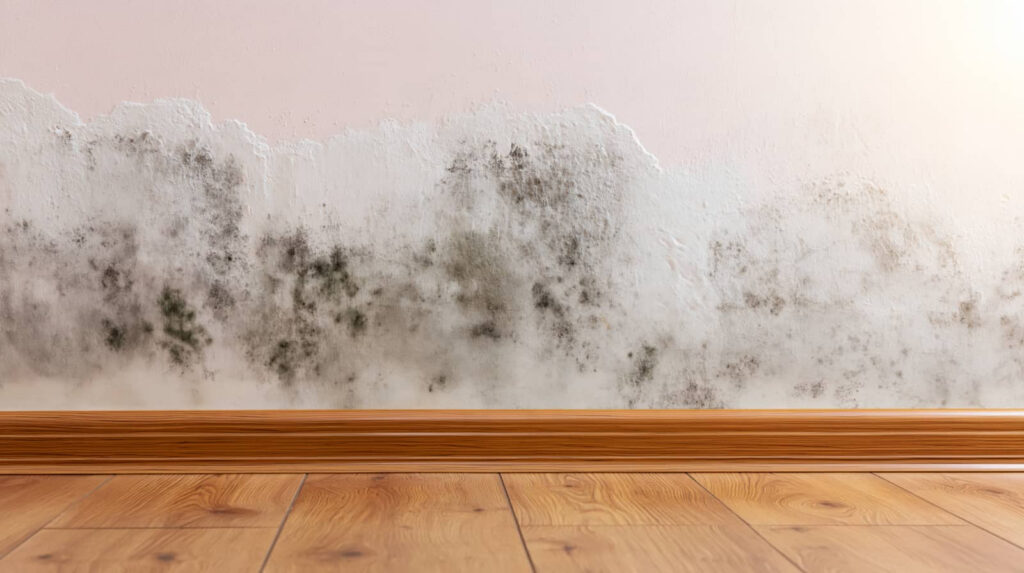
A lingering musty odor often points to hidden moisture, mold growth, or damp materials that haven’t dried properly. If you notice that smell in one room or throughout your home, don’t ignore it.
You may be dealing with water trapped behind walls, under flooring, or inside insulation, and those conditions can worsen quickly. A restoration team can inspect the source, measure moisture, and determine whether cleanup or structural drying is needed.
Acting early helps protect your property and keeps your home healthier for everyone in it. You’re not alone in this—many homeowners face the same issue after a leak, flood, or plumbing failure.
Trust the signs, get a professional assessment, and restore your space with confidence before the damage spreads.
Why Fire, Smoke, and Soot Need Fast Cleanup
After a fire, smoke and soot can keep damaging your property long after the flames are out. You need fast cleanup because these residues are acidic and can stain, etch, and corrode surfaces within hours.
Smoke particles move through HVAC systems, settling into walls, fabrics, and hidden cavities, where they create persistent odors and ongoing contamination. Soot can also coat electronics, reducing performance and causing failures if you delay.
When you act quickly, you limit secondary damage, preserve more materials, and make restoration more efficient. A trained team can isolate affected areas, use specialized cleaning methods, and help you restore your space with confidence.
Prompt response protects your property and helps you get back to normal sooner, with less stress and fewer surprises.
When to Act on Mold and Musty Odors
Smoke and soot aren’t the only hidden threats after water intrusion or storm damage; mold can start growing quickly in damp materials and spread before you notice visible signs.
You should act when you smell a persistent musty odor, see discoloration, or feel increased humidity indoors. These signals often mean moisture is still trapped behind walls, under flooring, or in insulation, and your space may need professional attention.
- A musty smell lingers after cleanup
- Dry surfaces still feel damp or cool
- Allergies or irritation worsen indoors
- Paint, drywall, or trim looks stained
Calling restoration services early helps you protect your home, reduce health risks, and stay part of a safer, well-cared-for environment.
Prompt evaluation also limits secondary damage and supports a more complete recovery.
How to Handle Storm and Wind Damage
After a storm, you should inspect your roof and siding for missing shingles, lifted panels, cracks, and other visible impact damage.
If you find any openings, secure them quickly with a tarp or temporary board to limit water intrusion and wind exposure.
Prompt action can help stabilize the structure and reduce the risk of further property damage.
Assess Roof And Siding
When storms pass, you should inspect the roof and siding for missing shingles, lifted flashing, dents, cracks, or loose panels, since wind damage can let water enter quickly.
Look closely from the ground first, then document anything that seems new or worsening. You’re not alone in this process; many property owners spot subtle issues only after a careful check.
- Note curled shingles and exposed nail heads.
- Check siding seams for separation or warping.
- Watch for granules, debris, or impact marks.
- Compare both sides of the structure for uneven damage.
If you see signs of breach, contact restoration professionals promptly. They can assess the extent of the damage, help prevent secondary moisture problems, and guide you toward the next right step with confidence.
Secure Openings Quickly
If storms have left windows, doors, or roof openings exposed, you should secure them right away to limit water intrusion, wind-driven debris, and further structural damage.
Use heavy-duty tarps, plywood, or shrink wrap to cover the opening, and fasten each edge so wind can’t lift it. If a frame is compromised, avoid forcing it closed; that can worsen hidden damage.
Turn off nearby electrical circuits if water may enter, and keep clear of sagging materials, broken glass, and loose shingles.
You don’t have to manage this alone. A trusted restoration team can board up openings, document conditions, and stabilize the structure fast, helping you protect your property and feel confident that your home’s next repair step is in capable hands.
Why Sewage Backups Need Immediate Cleanup
A sewage backup isn’t just a mess—it’s a health hazard that needs immediate cleanup to limit exposure to bacteria, viruses, and other contaminants.
You can’t safely ignore it, because wastewater spreads through floors, fixtures, and shared air spaces fast. Acting now helps protect everyone in your home and keeps the problem from lingering.
Trained restoration teams use containment, extraction, disinfection, and drying to reduce risk and restore sanitation. You’re not dealing with this alone; prompt professional help puts your property back on track.
- Stop using affected plumbing
- Keep people and pets away
- Avoid contact with standing water
- Call restoration services right away
When Structural Damage Requires Emergency Help
Even minor-looking structural damage can become an emergency when it threatens the stability of your home or workplace.
If you notice sagging floors, bowed walls, cracked support beams, or doors that suddenly won’t close, you need emergency help right away. These signs can mean hidden load-bearing failure, water saturation, or shifting foundations that may worsen fast.
You shouldn’t wait for visible collapse; call restoration professionals when you hear creaking, see widening cracks, or feel uneven settling. Acting quickly helps protect everyone inside and limits further damage to your property.
You’re not overreacting by seeking urgent support—you’re making a smart, responsible choice for your space and the people who depend on it.
How to Choose a Restoration Company
Once you’ve recognized the need for emergency restoration, the next step is choosing a company that can respond quickly and work to industry standards.
You should verify licensing, insurance, and certifications before you sign anything. Ask whether they follow IICRC procedures, document losses, and coordinate with your insurer.
A strong team will explain its drying plan, use calibrated equipment, and provide clear timelines. You deserve a crew that treats your home like part of its own community.
- 24/7 response and fast dispatch
- Proven training and relevant certifications
- Transparent estimates and scope of work
- Respectful communication and detailed reporting
Frequently Asked Questions
How Quickly Should I File an Insurance Claim After Property Damage?
You should file your insurance claim as soon as possible, ideally within 24 to 72 hours. Quick reporting helps you document losses, meet policy deadlines, and speed your restoration so you’re supported.
Can I Stay in My Home During Restoration Work?
Sometimes you can, if you enjoy living next to dust, noise, and contractors’ heroic chaos. You’ll stay safely put only when damage’s contained; otherwise, you should relocate until air quality, safety, and utilities are restored.
What Should I Do Before the Restoration Crew Arrives?
You should shut off utilities if needed, document damage, and move valuables to safety. Then clear access paths, keep pets away, and wait nearby for updates. You’ll help the team work faster and more safely.
How Long Does Property Damage Restoration Usually Take?
You’ll usually see property damage restoration take a few days to several weeks, depending on damage severity, drying time, repairs, and materials. Your crew’ll assess conditions, explain the timeline, and keep you informed throughout.
Do Restoration Companies Work With All Types of Insurance?
Most restoration firms accept major carriers; you’ll usually find they work with most insurers. You should still verify your policy, because you’ll feel more confident when your claim, documentation, and deductible align.
Summary
When you spot water stains, smoke residue, musty odors, or storm damage, don’t wait—call restoration services right away. Water damage claims that are addressed within 24 hours can reduce repair costs. Acting fast helps you limit structural deterioration, protect indoor air quality, and preserve property value. A qualified team can assess the damage, document losses, and restore your space safely and efficiently.
Recent Posts
Property Damage Restoration Timeline for Homeowners
Some homeowners file a property damage claim at some point, and your timeline can move
Property Damage Restoration After Storms and Severe Weather
After a storm, property damage restoration starts with safely assessing the property, documenting all visible
How Property Damage Restoration Companies Assess Damage
Before a restoration crew starts work, property damage restoration begins with evaluating hidden hazards, not