
Contents
Flooding can lead to mold growth in as little as 24 to 48 hours, which poses serious health risks. If you’ve recently experienced flooding, understanding effective mold remediation techniques is essential. Each step, from evaluating damage to monitoring air quality, plays a critical role in ensuring a safe environment. You’ll want to know the best practices to tackle this issue and protect your home effectively.
Key Takeaways
- Thoroughly assess and document mold damage within 48 hours to identify affected areas and types of mold present.
- Seal off contaminated spaces with plastic barriers to prevent mold spread and minimize airflow during remediation.
- Remove contaminated materials and prioritize drying efforts using fans and dehumidifiers to maintain indoor humidity below 60%.
- Clean surfaces with soap and disinfectants to eliminate mold spores, ensuring proper ventilation post-cleaning to aid drying.
- Monitor air quality and humidity levels regularly, and implement preventive measures to avoid future mold growth after remediation.
Assessing the Damage
Once the floodwaters recede, it’s essential to assess the damage to your property promptly.
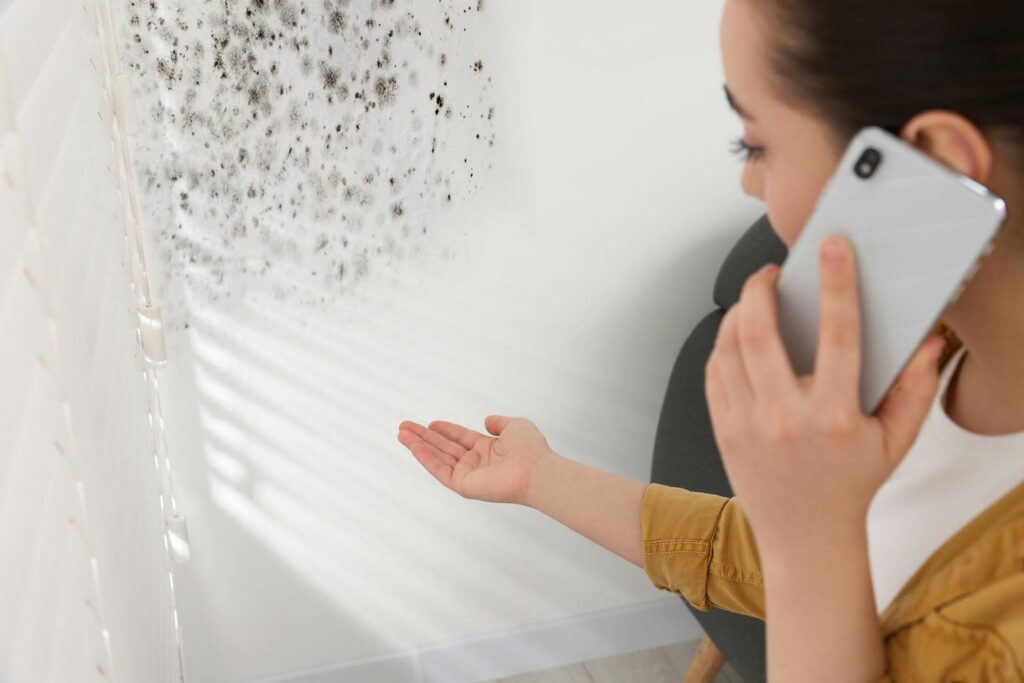
Begin by checking for visible signs of mold, which can start growing within 24 to 48 hours in damp conditions. Familiarize yourself with common mold types, like black mold and Aspergillus, as these can pose significant health effects. Symptoms may range from mild allergic reactions to serious respiratory issues, especially for vulnerable individuals.
Next, inspect affected areas thoroughly—walls, ceilings, and flooring. Pay close attention to hidden spaces like attics or basements, where moisture might linger.
Document your findings with photos and notes; this information can be critical for insurance claims and remediation efforts.
Containing the Affected Area
To effectively contain the affected area, you need to seal off any spaces where mold could spread.
Use plastic barriers to create a controlled environment that minimizes airflow between contaminated and clean areas.
This step is essential in preventing further contamination during the remediation process.
Seal Off Affected Areas
Sealing off affected areas is essential for effective mold remediation after flooding. By doing this, you prevent mold spores from spreading to uncontaminated spaces, which is critical for maintaining a healthy environment.
Start by closing windows and doors, and make certain that air circulation is minimized. This helps contain the dampness and reduces the likelihood of spores becoming airborne. Use fans cautiously; while they can help dry areas, they might also disturb settled spores.
It’s fundamental to monitor humidity levels, as higher moisture can exacerbate mold growth. You’re not just protecting your home; you’re securing the safety and well-being of everyone within it.
Taking these steps fosters a sense of community responsibility and belonging in your shared living space.
Use Plastic Barriers
Plastic barriers play a crucial role in containing the affected area during mold remediation after flooding. By effectively isolating contaminated spaces, you can minimize the spread of mold spores throughout your home.
Start with barrier installation, ensuring the plastic is securely fastened to the walls and floor to create a seal. This not only protects unaffected areas but also aids in mold prevention by limiting air circulation.
Make sure to use heavy-duty plastic sheeting to withstand any moisture and potential tearing. Additionally, you should monitor the sealed area for any leaks or breaches.
With these measures in place, you enhance your chances of successful remediation, fostering a healthier living environment for you and your loved ones.
Removing Contaminated Materials
When dealing with mold after flooding, it’s vital to identify the materials that have been contaminated.
You’ll need to take into account safe disposal methods for these items to prevent further spread of mold spores.
Additionally, exploring available replacement options can help you restore your space effectively.
Identify Affected Materials
Identifying affected materials is essential for effective mold remediation after flooding, as contaminated items can harbor spores that lead to further health risks and structural damage.
To begin, you’ll want to use mold identification methods to assess the situation accurately. Start by inspecting common affected material types, including drywall, insulation, carpets, and wooden structures.
Look for visible signs of mold growth, discoloration, or a musty odor, which can indicate contamination. Don’t forget to check hidden areas, such as behind appliances or under flooring.
Safe Disposal Methods
How can you ensure safe disposal of contaminated materials after a flood? First, identify items that are beyond salvage, such as soaked drywall, carpets, or insulation.
These materials often qualify as hazardous waste due to mold contamination. You should always follow local regulations for disposal; many areas have specific guidelines for hazardous waste.
Contact your local waste management facility to learn about recycling options for any salvageable items. If you’re unsure, consult with professionals who can guide you on safe disposal techniques.
Proper disposal protects your health and supports environmental sustainability. By handling contaminated materials responsibly, you contribute to a safer community and reduce the risk of mold-related health issues for everyone.
Replacement Options Available
After a flood, replacing contaminated materials is essential for restoring your home and preventing further mold growth.
You’ll want to assess which items are affected—common culprits include drywall, insulation, and carpeting. Selecting the right replacement materials is vital. Opt for mold-resistant options, like treated drywall or water-resistant flooring, to enhance your home’s resilience.
When considering restoration options, consult with professionals to ensure proper installation, as this can make a significant difference in your home’s long-term health.
Remember, timely replacement addresses current issues and helps create a safer, healthier environment for you and your family.
Cleaning and Disinfecting Surfaces
Once floodwaters recede, promptly cleaning and disinfecting surfaces becomes essential to prevent mold growth and ensure a safe environment.
Start with thorough surface cleaning to remove any debris, dirt, and contaminants that floodwaters may have left behind. Use a mixture of water and soap for initial cleaning, making sure you cover all affected areas.
Next, apply a suitable disinfectant to kill any remaining bacteria and mold spores. It’s important to follow the manufacturer’s instructions for disinfectant application, as effectiveness depends on proper dilution and contact time.
Pay special attention to porous materials, as they may require more intensive treatment or replacement.
After disinfecting, make certain you ventilate the area to promote drying, which is critical for mold prevention.
Drying Out the Environment
To effectively prevent mold growth, drying out the environment as quickly as possible is essential following a flood. Start with a thorough moisture assessment to identify damp areas and prioritize your efforts. Inspect walls, floors, and furniture, noting any hidden pockets of moisture that could foster mold growth.
Once you’ve pinpointed the problem areas, enhance air circulation by opening windows and using fans to promote evaporation. This helps reduce humidity levels and accelerates the drying process.
Using Dehumidifiers for Moisture Control
While enhancing air circulation is essential, using dehumidifiers can greatly boost your moisture control efforts. These devices come in various dehumidifier types, including refrigerant, desiccant, and whole-house models. Choosing the right one depends on your specific needs, such as the size of the affected area and the extent of moisture present.
For ideal settings, aim to maintain indoor humidity levels between 30% and 60%. This range helps prevent mold growth and creates a more comfortable environment. It’s smart to monitor humidity levels with a hygrometer, adjusting your dehumidifier accordingly.
If you’re dealing with severe flooding, consider using multiple units to tackle different spaces, ensuring thorough moisture removal. Regularly emptying the water tank or setting up a continuous drainage option can also enhance efficiency.
Applying Mold Inhibitors
Applying mold inhibitors is a critical step in preventing mold growth after flooding. You’ve got a few mold inhibitor types to evaluate, including chemical sprays, natural remedies, and specialized coatings.
Chemical sprays often contain biocides that effectively kill mold spores, while natural options like vinegar or tea tree oil can offer a safer alternative for your home environment.
When applying these inhibitors, proper application techniques matter. Make sure to clean the affected areas thoroughly before use; this enhances the effectiveness of the inhibitors.
Use a spray bottle or cloth to apply the solution evenly, ensuring you cover all surfaces, including hidden spots. For coatings, follow manufacturer instructions for drying times and reapplication schedules.
Monitoring Air Quality
Air quality is crucial in the aftermath of flooding, as it directly impacts health and well-being.
Monitoring the air quality in your home helps ensure a safe environment as you recover. Here are a few steps to take into account:
Install air quality sensors to detect pollutants and track fluctuations over time.
Conduct mold spore analysis to identify specific mold types and levels present in the air.
Regularly check humidity levels, aiming to keep them below 60% to inhibit mold growth.
Ventilate your space by opening windows and using fans to improve air circulation.
Preventing Future Mold Growth
To prevent future mold growth, it’s vital to address moisture issues promptly and effectively. Start by using mold resistant materials in areas prone to dampness, like bathrooms and basements. These materials can greatly reduce the chances of mold establishing a foothold.
You should also ensure proper ventilation throughout your home. This helps decrease humidity levels, making it harder for mold to thrive.
Regular inspections are important too; routinely check for leaks, condensation, and any signs of moisture buildup. By catching these issues early, you can tackle them before they escalate into larger problems.
Furthermore, maintaining your home’s HVAC system and cleaning gutters regularly can help prevent moisture accumulation.
Frequently Asked Questions
How Long Does Mold Remediation Typically Take After Flooding?
Mold remediation typically takes one to two weeks, depending on the severity of the flood damage and the remediation timeline you follow. Effective flood recovery requires prompt action to ensure a safe, healthy environment for everyone involved.
Can I Perform Mold Remediation Myself or Hire a Professional?
You can tackle mold remediation yourself, but many DIY efforts fail, leading to costly consequences. Hiring professional services often ensure thorough removal, safeguarding your home and health. Choose wisely for lasting results.
What Are the Health Risks Associated With Mold Exposure?
Mold exposure can lead to various health risks, including mold symptoms like respiratory issues and skin irritation. Prolonged exposure may result in long-term effects, particularly for those with allergies or weakened immune systems. Stay cautious.
Will Homeowners Insurance Cover Mold Remediation Costs After Flooding?
Steering through mold coverage feels like walking through a fog. Many insurance policies cover mold remediation after flooding, but specifics vary. Check your policy carefully to ensure you’re protected against this hidden menace.
How Can I Tell if Mold Has Returned After Remediation?
To tell if mold’s returned, conduct a thorough mold inspection and consider mold testing in areas previously affected. Look for visible growth, musty odors, or moisture, as these often indicate mold is re-emerging.
Recap
You might think mold remediation is overwhelming, but by following these key techniques, you can effectively tackle the problem. Start by evaluating the damage and containing affected areas, then focus on thorough cleaning and drying. Utilizing dehumidifiers and applying mold inhibitors will help maintain a healthy environment. Regularly monitoring air quality ensures you stay ahead of any future growth. Don’t let mold take over—taking proactive steps now will safeguard your home and your health.
Recent Posts
Flood Damage Cleanup and Mold Prevention Strategies
After a basement pipe bursts overnight, you need to act within 24 to 48 hours
Cost of Flood Damage Cleanup Services for Property Owners
You pay for extraction, you pay for drying, you pay for sanitation, and you pay
Flood Damage Cleanup for Homes and Businesses Explained
When water leaves a little extra “persuasion” in your home or business, you need to