
Contents
When it comes to mold remediation, it’s vital to start with an extensive assessment of mold growth. You need to identify the affected areas and measure moisture levels accurately. Once you’ve done that, the next step involves implementing effective containment measures to prevent spore spread. Finally, you’ll want to utilize proper removal techniques to ensure thorough eradication. Understanding these steps is fundamental for successful remediation, and there are more details to take into account as you proceed.
Key Takeaways
- Conduct thorough mold assessments using visual inspections and humidity monitoring to identify affected areas and environmental conditions.
- Implement containment measures to isolate mold-affected regions and prevent cross-contamination during the remediation process.
- Utilize effective removal techniques, including proper safety gear and chemical treatments for non-porous surfaces.
- Ensure thorough drying of the area post-removal to minimize the risk of mold recurrence.
- Regularly monitor the site for re-growth and maintain humidity levels below 60% to promote a healthy environment.
Assess the Extent of Mold Growth
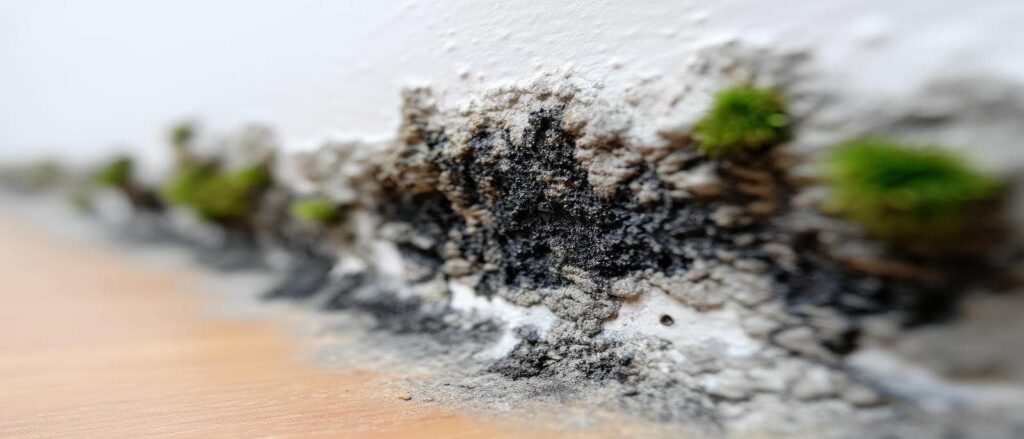
How can you effectively determine the severity of mold growth in your space? Start by employing mold identification techniques, such as visual inspection and surface sampling.
Look for discoloration, water stains, or a musty odor. Pay attention to environmental factors like humidity levels and ventilation, as these contribute considerably to mold proliferation. Use a hygrometer to measure humidity; ideally, it should stay below 60%.
Next, assess affected areas—check behind walls, under carpets, and in hidden corners. If you suspect hidden mold, consider using moisture meters to detect elevated moisture levels.
Document your findings thoroughly, noting the size and location of the mold growth, as this will aid in formulating an effective remediation plan.
Understanding these techniques helps you gauge the extent of the issue and fosters a sense of community concern for your living environment.
Implement Proper Containment Measures
When you’re ready to tackle mold remediation, implementing proper containment measures is essential to prevent spores from spreading throughout your space.
Start by establishing containment barriers using plastic sheeting to isolate the affected area. This prevents cross-contamination to other rooms. Verify these barriers are sealed tightly, using duct tape to secure the edges.
Next, set up negative air pressure by utilizing air filtration units equipped with HEPA filters. This will help capture airborne spores and improve air quality during the remediation process. Position these units to draw air from the contaminated area, directing it outside.
Regularly monitor the airflow and verify that no air leaks compromise your containment setup.
Utilize Effective Mold Removal Techniques
With effective containment measures in place, you can now focus on utilizing effective mold removal techniques to eliminate the problem at its source.
Start by wearing appropriate safety equipment, including N95 respirators, gloves, and goggles, to protect yourself from mold spores and harmful chemicals.
For non-porous surfaces, employ chemical treatments like hydrogen peroxide or specialized mold removers, as they penetrate and kill mold effectively.
When dealing with porous materials, such as drywall or carpet, it’s often best to remove and replace them, as they can harbor spores even after cleaning.
Once the mold is removed, thoroughly dry the area to prevent recurrence.
After cleaning, use an air scrubber or HEPA filter to ensure any remaining spores are captured.
Finally, monitor the site regularly to catch any signs of mold re-growth early, reinforcing your commitment to a safe and healthy environment.
Frequently Asked Questions
How Can I Prevent Mold From Returning After Remediation?
To prevent mold from returning, implement preventive measures like controlling humidity, ensuring proper ventilation, and repairing leaks. Additionally, establish ongoing maintenance routines to monitor moisture levels and promptly address any issues that arise.
What Are the Health Risks Associated With Mold Exposure?
When it rains, it pours—mold exposure can lead to serious health risks. You might experience mold symptoms like respiratory issues, allergies, or skin irritation. Staying vigilant can help protect your well-being and ensure a healthier environment.
How Do I Know if Mold Is Hidden in My Home?
You can identify hidden mold by conducting a thorough mold inspection. Look for signs of moisture, water stains, or musty odors, and check behind walls or under carpets, as mold often thrives in concealed areas.
Should I Hire a Professional or Attempt DIY Mold Removal?
You should hire a professional if mold’s extensive. DIY methods can work for small areas, but professionals ensure thorough removal and prevent recurrence. Weigh the scope of the problem against your expertise and resources.
What Types of Insurance Cover Mold Damage Restoration?
Most homeowners’ insurance policies include mold coverage, but specifics vary. Check your policy for limits and exclusions, especially regarding water damage. Flood insurance might also cover mold restoration, depending on your provider’s terms.
Recap
Effective mold remediation isn’t just about removing what you see; it’s about understanding the unseen threat lurking behind walls and under floors. By evaluating mold growth, implementing containment measures, and using precise removal techniques, you can reclaim your space and protect your health. Don’t let mold take hold—act decisively and ensure a safe, clean environment for yourself and those around you. After all, a mold-free home is a healthier home.
Recent Posts
Cost of Property Damage Restoration Services Explained
When you face property damage, the restoration cost can shift fast depending on the damage
Property Damage Restoration Insurance Claims Guide for Homeowners
After property damage, property damage restoration insurance claims require you to move quickly, document everything,
Property Damage Restoration Process for Homes Explained
You probably don’t know that restoration crews often start by finding hidden damage before they