
Contents
When damage hits your home, you need to act fast, but you also need to act safely. You’ll want to assess the scene, stop the source, and bring in restoration pros before the problem spreads. From there, documentation, cleanup, drying, and final sanitizing all matter more than most homeowners expect. The first steps can limit cost and stress, but one mistake can change everything.
Key Takeaways
- Assess the damage from a safe distance, watch for hazards like smoke, gas, water, and structural shifts, and keep everyone away.
- Shut off water, electricity, or fuel only if it is safe to do so, to limit further damage and reduce risk.
- Photograph all affected areas before cleanup and create a detailed damage inventory for insurance and repairs.
- Contact licensed restoration professionals quickly to stabilize the property, remove water, and prevent mold or secondary damage.
- Clean up safely, separate salvageable items from hazards, and complete a final walkthrough to confirm repairs and cleanliness.
Assess the Damage and Stay Safe
Before you do anything else, assess the damage from a safe distance and make sure the area is secure.
You’ll protect yourself and support the emergency damage restoration process by checking for structural shifts, smoke, moisture, debris, or electrical hazards before you step closer.
If you smell gas, hear cracking, or see sagging ceilings, back away and wait for trained help.
Wear sturdy shoes and gloves, and keep children and pets out of the area.
Use your phone to document visible damage with clear photos, but don’t touch unstable materials.
A calm, methodical scan helps you join the restoration team early, share accurate information, and make safer decisions.
When you stay alert and cautious, you set the stage for recovery.
Stop the Water or Fire Source
Now, stop the source of damage as quickly and safely as you can. For water, turn off the main valve or the nearest shutoff to isolate the leak.
For fire, switch off fuel supply if it’s safe, then cut electricity only when you can reach the panel without risk. If you’re unsure, pause and protect yourself first. Quick control limits spread, reduces structural harm, and gives your home a better chance at recovery.
You’re not alone in this—many homeowners face the same urgent moment.
- Feel relief when the flow stops
- Keep panic from driving mistakes
- Protect your family’s safe space
- Reduce soaked materials and smoke damage
- Take back control one step at a time
Call Emergency Damage Restoration Pros
Call emergency damage restoration pros right away so they can assess the loss, stabilize the site, and start mitigation before damage spreads.
You don’t have to handle structural drying, smoke cleanup, or microbial control alone. A licensed crew brings industrial extractors, air movers, dehumidifiers, HEPA filtration, and moisture meters to your home, then builds a plan that fits the damage pattern.
They’ll secure unsafe areas, protect salvageable materials, and reduce secondary deterioration fast. When you call promptly, you join a team that knows how to coordinate safely, work efficiently, and restore order under pressure.
Keep their number handy, speak plainly about what happened, and let trained specialists guide the next phase with confidence, precision, and care.
Document the Damage for Insurance
You should take clear photo evidence of every affected area before any cleanup or repairs begin, including close-ups of visible damage and wide shots that show the full context.
Next, create a repair inventory that lists damaged materials, contents, and structural components, along with estimated quantities and conditions.
This documentation helps support your insurance claim and gives you a precise record of what needs restoration.
Photo Evidence
Before any cleanup starts, take clear photo evidence of every affected area so your insurance claim has a complete record of the damage. Use your phone’s highest resolution, steady framing, and good lighting.
Capture wide shots first, then close-ups of stains, cracks, warped materials, and standing water. Include room corners, ceilings, baseboards, and any personal items you can’t safely move yet.
If you belong to a household with multiple helpers, assign one person to photograph while others stay clear.
- You’ll feel less overwhelmed with proof.
- You protect your claim from disputes.
- You help adjusters understand the loss fast.
- You keep your team aligned and focused.
- You preserve what matters before repairs begin.
Repair Inventory
With your photos saved, build a repair inventory that lists every damaged item, surface, and system in the property.
Record the room, material, size, model, and visible condition for each entry, then note whether you can clean, repair, or must replace it.
Include flooring, drywall, insulation, cabinets, appliances, wiring, plumbing, and HVAC components.
Add estimated quantities, purchase dates, and any serial numbers you can find.
Use simple language and keep the list organized, so your insurer and restoration team can verify losses quickly.
This step helps you stay in control, reduces missed claims, and gives your household a clear path forward.
If you’re unsure, walk through each space with a trusted helper and compare notes.
A complete inventory supports faster approvals and smoother recovery for everyone.
Remove Standing Water and Debris
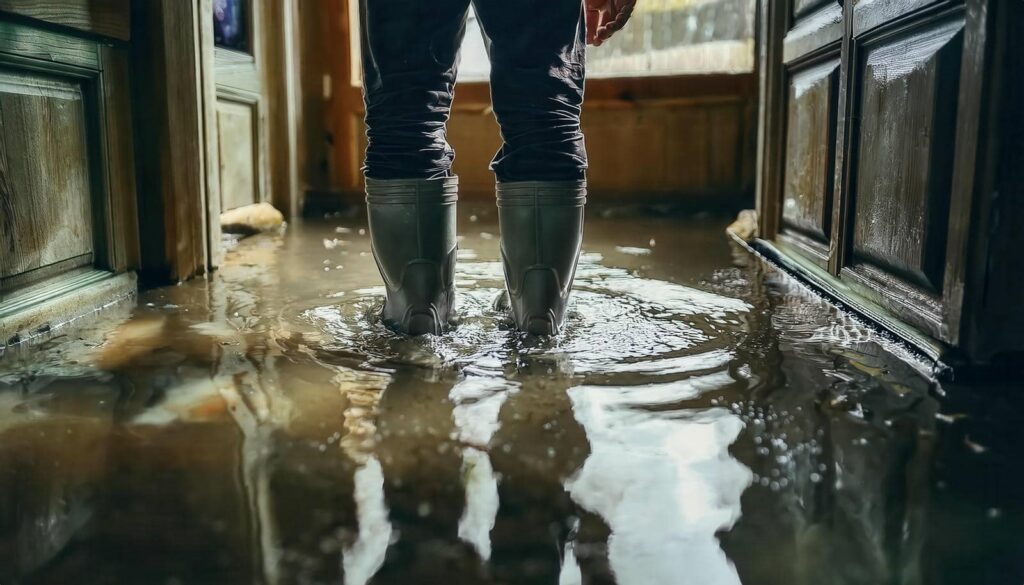
You’ll need to pump out standing water as quickly as possible to limit further structural damage and reduce the risk of mold growth.
Once the water level drops, you can clear debris safely so you can inspect surfaces and restore access to affected areas.
Use proper protective gear and controlled removal methods to keep the work efficient and reduce exposure to contaminants.
Pump Out Standing Water
Pump out standing water as soon as it’s safe to do so, because trapped moisture can quickly spread damage, weaken materials, and create conditions for mold growth.
You’ll protect floors, walls, and furnishings by removing water fast with a sump pump, wet vac, or professional extraction equipment. Work methodically, starting at the lowest point and moving through each area until the surface is no longer saturated.
Keep the space ventilated and watch for hidden pockets behind baseboards or under cabinets.
- You’re taking control.
- You’re reducing loss.
- You’re helping your home recover.
- You’re protecting your family’s comfort.
- You’re moving toward normal again.
If water level is high, call restoration pros so you don’t face added risk alone.
Clear Debris Safely
Carefully clear debris only after the area is safe, removing broken materials, soaked items, and loose hazards so standing water can be addressed without obstruction.
Wear gloves, boots, and eye protection, and keep your footing on stable surfaces. Sort damaged items into salvage, discard, and hazardous waste piles so you can work efficiently and protect your household.
Move heavy or contaminated materials with proper lifting technique, and never drag sharp debris through wet floors. As you clear space, you’ll improve airflow, reduce slip risks, and make drying equipment more effective.
If you smell gas, see damaged wiring, or notice structural instability, stop and call a professional. You’re not alone in this step; careful cleanup helps your home recover safely and steadily.
Dry the Area and Prevent Mold
Once the excess water is removed, professionals dry the area as quickly as possible to stop moisture from spreading and to reduce the risk of mold growth.
You’ll usually see air movers, dehumidifiers, and moisture meters working together to pull dampness from walls, floors, and hidden cavities. This step protects your home’s structure and helps you feel supported when damage already feels overwhelming.
Keep doors and vents positioned as advised so airflow stays steady and drying stays effective.
- You won’t have to guess what’s still wet.
- You’ll see progress that brings relief.
- You’ll know your home’s health matters.
- You can trust each measured adjustment.
- You’re not facing this alone.
Complete Repairs and Final Sanitizing
With the area fully dried, restoration crews can move into the repair phase and finish with a thorough sanitizing treatment.
You’ll see damaged drywall, insulation, flooring, trim, and wiring replaced to match code and restore structural integrity. Technicians inspect framing, seal joints, and test systems so nothing is left unstable or unsafe.
They then clean surfaces with approved antimicrobial solutions, targeting bacteria, odor-causing residues, and any remaining contaminants. This step helps protect your household and brings the space back to a healthy condition.
If you stay involved, you’ll understand each milestone and feel confident that your home is being rebuilt with care.
When the final walkthrough is complete, you can return to a clean, sound, and welcoming space.
Frequently Asked Questions
How Quickly Should I Contact My Insurance Company After Damage?
Contact your insurance company immediately, ideally within 24 hours. You’ll help protect coverage, speed claims, and document damage accurately. Don’t wait for cleanup; notify them as soon as you can safely assess the loss.
Can I Stay in My Home During Emergency Restoration?
Sometimes you can stay, but only if conditions are safe. You’ll need professionals to check structural stability, air quality, and utilities. If risks loom, you should leave; your home should feel like a harbor, not a storm.
What Items Should I Save Before Cleanup Begins?
You should save critical documents, medications, jewelry, photos, electronics, and irreplaceable keepsakes before cleanup begins. You’ll also want chargers, keys, and backup data. Act quickly, and you’ll protect what matters most while crews stabilize your home.
How Do I Choose a Reliable Restoration Company?
You should choose a reliable restoration company by checking certifications, local references, insurance, response time, and clear estimates. Ask about their equipment, drying methods, and communication, so you’ll feel confident, included, and protected.
Will Restoration Work Cover Hidden Damage Inside Walls?
Yes, it often does—because damage loves hiding where you can’t see it. You’ll want your crew to inspect walls, use moisture meters, and document findings, so you’re covered and feel confident throughout repairs.
Summary
When you face a home emergency, act fast but stay safe. Assess the damage, stop the source, call restoration pros, and document everything for your insurer. Then remove standing water and debris, dry the area, and complete repairs with final sanitizing. These steps help you limit losses and protect your home. Follow them like a map through a storm, and you’ll get back to normal with less stress and greater confidence.
Recent Posts
How Property Damage Restoration Companies Assess Damage
Before a restoration crew starts work, property damage restoration begins with evaluating hidden hazards, not
Cost of Property Damage Restoration Services Explained
When you face property damage, the restoration cost can shift fast depending on the damage
Property Damage Restoration Insurance Claims Guide for Homeowners
After property damage, property damage restoration insurance claims require you to move quickly, document everything,