
Contents
When disaster hits, you don’t have time to wonder what “fast” really means. In emergency restoration, response time can decide how much damage your property takes in the first hour alone. Fire, water, and storm losses all spread differently, and delays only make cleanup harder and more expensive. If you want to know what the first 60 minutes should look like, the details matter more than you might think.
Key Takeaways
- Emergency restoration response time matters because faster arrival limits water spread, smoke damage, structural weakening, and mold growth.
- The first 60 minutes are critical for damage assessment, site stabilization, hazard control, and documenting visible losses.
- Fire, water, and storm damage worsen quickly, so delays increase cleanup difficulty and overall restoration costs.
- Response can be delayed by debris, flooding, equipment shortages, access problems, or missing approvals and communication gaps.
- Prepare for a service call with the address, callback number, damage details, start time, cause, and any urgent safety concerns.
What Counts as Fast Emergency Response
When disaster strikes, fast emergency response usually means a restoration team arrives within hours, not days. For you, that’s what emergency restoration services response time should look like: immediate dispatch, quick assessment, and a crew on-site before confusion grows.
You want a provider that answers calls around the clock, confirms your location, and sends trained technicians without delay. In a real emergency, fast also means clear communication, coordinated arrival, and the right equipment ready when they show up.
You shouldn’t wait for vague callbacks or uncertain schedules. A strong team keeps you informed, moves quickly, and makes you feel supported from the first contact. That speed helps you join a prepared, reliable response, not face the crisis alone.
Why Speed Prevents More Property Damage
When you act fast, you stop water from spreading into floors, walls, and belongings.
Quick response also helps limit structural damage by reducing weakening, warping, and mold growth.
The sooner you start restoration, the less damage your property takes.
Stopping Water Spread
Water can spread through a property in minutes, soaking floors, walls, insulation, and structural materials before the damage is contained.
You need fast response to stop it from moving into new rooms, under cabinets, and behind baseboards. The sooner you shut off the source, remove standing water, and block pathways, the less you’ll lose.
That quick action helps you protect your space, keep cleanup focused, and avoid turning one wet area into a whole-house problem.
When you act early, you stay in control and give your restoration team a better starting point. You’re not just reacting; you’re limiting how far the water can travel.
That’s why quick service matters for you and your property.
Limiting Structural Damage
Even a short delay can let water, smoke, or storm damage weaken framing, drywall, flooring, and insulation.
When you call fast, you give technicians a chance to stabilize the structure before small problems spread. They’ll remove saturated materials, dry hidden cavities, secure loose sections, and support compromised areas so you’re not facing costly rebuilds later.
Speed also helps limit mold growth, rust, warping, and ceiling or floor collapse. You’re not just protecting surfaces; you’re protecting the bones of your property.
With prompt emergency restoration, you join a team focused on keeping your space safe, usable, and recoverable. Acting quickly means less disruption, fewer repairs, and a stronger path back to normal.
How Fire, Water, and Storm Damage Escalate
Fire, water, and storm damage can spread fast, turning a manageable loss into a far more costly restoration if you don’t act quickly.
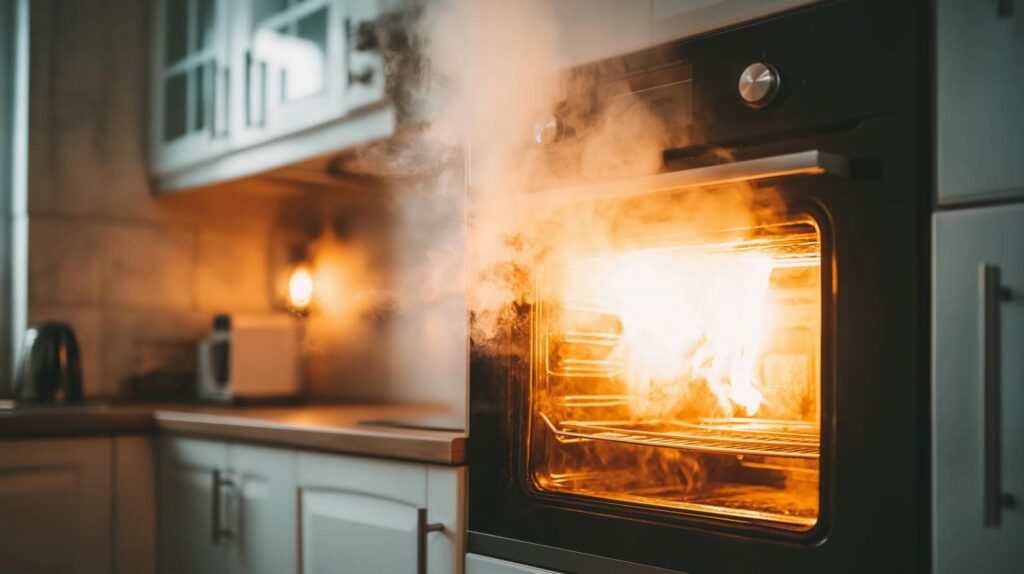
Fire leaves behind heat, smoke, and corrosive residue that keep attacking surfaces after the flames are out.
Water moves into floors, walls, and insulation, where it weakens materials and feeds hidden growth.
Storm damage opens roofs, windows, and siding, letting more rain, wind, and debris enter your space.
Each hour you wait gives the damage more time to multiply and makes cleanup harder.
When you respond quickly, you protect your property, reduce loss, and stay in control with a team that knows what’s at stake.
You’re not facing this alone; fast action puts you back on firmer ground.
What Happens in the First 60 Minutes
In the first 60 minutes, you need a rapid damage assessment to identify immediate threats and the full scope of loss.
You should then stabilize the site by stopping leaks, securing hazards, and limiting further spread.
Fast mitigation now can keep damage from getting worse and protect the rest of your property.
Immediate Damage Assessment
The first 60 minutes set the tone for the entire restoration process, and a rapid damage assessment helps stop small problems from becoming major losses. You’ll see a trained team move through your property, note visible damage, and identify immediate risks.
They’ll document what’s affected so you know what happened and what needs attention next. This quick review gives you clarity and helps you stay connected to the process.
They inspect damaged rooms and building materials.
They record conditions with photos and notes.
They share a clear summary of priorities.
You get straightforward answers, calm direction, and a plan built around your situation. That early assessment helps your restoration team work efficiently and keeps you from feeling left out when decisions need to be made.
Stabilization And Mitigation
Once the assessment is complete, the team moves quickly to stabilize the property and limit further damage. You’ll see crews shut off utilities, secure access points, and set up safety controls so everyone stays protected.
They remove standing water, tarp exposed roofs, board broken openings, and deploy drying equipment right away. These steps matter because every minute counts; moisture, smoke, and structural weaknesses can spread fast.
In the first 60 minutes, your restoration team works to stop the loss, preserve salvageable materials, and create a safe path for full repairs. When you respond quickly, you’re not just protecting the building—you’re protecting your peace of mind and staying connected to people who can help.
What Delays Emergency Restoration?
Storms, widespread power outages, unsafe access conditions, and delayed callouts can slow emergency restoration when every minute counts. You can’t always control the first hours, but you can recognize the hold-ups that stretch response time.
Crews may be tied up, roads may stay blocked, or your site may need clearance before work starts. Communication gaps also add delay, especially if you can’t confirm damage details quickly.
- Access problems: debris, flooding, or locked areas.
- Resource shortages: limited crews, equipment, or drying gear.
- Coordination issues: missing approvals, insurance steps, or unclear priorities.
When you know these barriers, you can report clearly, stay ready, and move faster with your restoration team. That helps your property get the urgent attention it needs, and keeps you in the loop.
Response Time by Disaster Type
Response time can vary a lot depending on the disaster, and knowing those differences helps you act fast with the right expectations.
Water damage usually needs the fastest response because every hour can spread moisture, stain materials, and invite mold.
Fire damage also demands quick action, since smoke, soot, and acidic residue keep working after the flames stop.
Storm damage can be urgent too, especially when openings expose your space to rain, wind, or more debris.
Sewage backups need immediate attention because contamination rises fast and affects health.
Frozen pipe breaks may seem smaller, but they can flood a room in minutes.
When you know your disaster type, you can respond with confidence and stay part of a community that protects its home together.
How to Choose a Fast Restorer
How do you pick the right restoration team when every minute counts? Look for a crew that answers 24/7, states its arrival window clearly, and serves your area. You want people who move fast and know the drill, so check recent reviews and ask how they handle your type of loss. A strong company won’t sound vague.
Confirm availability: real people should answer now, not later.
Verify speed and coverage: ask their average response time and service radius.
Trust clear communication: you should get direct updates, not guesswork.
Choose a restorer that feels organized, responsive, and steady. That’s how you join a team that can act quickly, protect your property, and help you regain control with confidence.
How to Prepare for a Faster Service Call
When every minute matters, you can speed up the service call by getting key details ready before you dial. Gather your address, best callback number, and a clear description of the damage.
Tell the dispatcher when the event started, what caused it, and whether water, fire, smoke, or mold is spreading. If it’s safe, take a few photos and note any urgent risks, like exposed wiring or a broken roof.
Clear access to the property so the crew can enter quickly. Keep pets and children away from the area, and have your insurance information nearby.
When you share accurate facts fast, you help your restoration team arrive prepared, protect your property sooner, and get you back on track with confidence.
Frequently Asked Questions
Does Response Time Affect Insurance Claim Approval?
Yes, response time can affect your claim. You’ll strengthen approval by reporting damage fast, documenting everything, and preventing more loss. Insurers expect prompt action, and delays can raise questions about coverage or damage extent.
Can I Stay in My Home During Restoration?
You can stay if hazards are controlled, but your home’s a storm-tossed harbor, not always safe. You’ll need clear air, power, and access. Follow the crew’s guidance, and move out if they tell you to.
What Should I Document Before the Crew Arrives?
Document the damage, take clear photos, list affected items, note dates and times, and save receipts. You’ll help the crew assess losses faster, support claims, and protect your home’s recovery.
Are Emergency Restoration Services Available After Hours?
Yes, you can usually reach emergency restoration services after hours, and they’ll dispatch crews quickly. You can call anytime, and they’ll help protect your property, reduce damage, and guide you through the next steps.
Do Restorers Handle Contents Cleanup and Storage?
Yes, many restorers handle contents cleanup and storage. You’ll get packing, cleaning, inventory, and secure off-site storage, so your belongings stay organized and protected while you focus on getting your home back.
Wrap-Up
When you call for emergency restoration services, every minute counts like water seeping under a door. If you act fast, you give your property the best chance to stay stable, safe, and recoverable. The first hour is your window to slow the storm, fire, or flood’s spread before it digs in deeper. Stay ready, communicate clearly, and choose a team that moves with purpose. Quick action doesn’t just save materials—it saves time, money, and peace of mind.
Recent Posts
How Property Damage Restoration Companies Assess Damage
Before a restoration crew starts work, property damage restoration begins with evaluating hidden hazards, not
Cost of Property Damage Restoration Services Explained
When you face property damage, the restoration cost can shift fast depending on the damage
Property Damage Restoration Insurance Claims Guide for Homeowners
After property damage, property damage restoration insurance claims require you to move quickly, document everything,