
Contents
If a pipe bursts in your basement at 2 a.m., you need fast water extraction before the damage spreads. You’ll first see technicians assess the source, map the wet areas, and deploy pumps or extractors to remove standing water. From there, drying equipment and moisture checks help stabilize the structure, but the real question is whether the hidden damage has already started. If you are dealing with a flooded home, fast extraction is the first step toward recovery.
Key Takeaways
- Water extraction services start by stopping the water source, assessing damage, and mapping where moisture has spread.
- Fast removal of standing water helps protect structural materials and reduces the risk of mold growth.
- Professionals use pumps, extractors, air movers, and dehumidifiers to remove water and dry affected areas.
- Hidden moisture in walls, floors, and furniture is checked with meters to ensure thorough drying.
- Clear communication, documentation, and regular updates help homeowners and insurers track progress and next steps.
What Water Extraction Services Do First
When water extraction services arrive, they first assess the source of the flood, stop any ongoing water intrusion if possible, and map the affected areas to determine how far the moisture has spread.
You’ll see technicians confirm safety, then document visible damage and moisture patterns with professional tools. They’ll identify standing water, hidden saturation, and affected materials so they can plan a focused response.
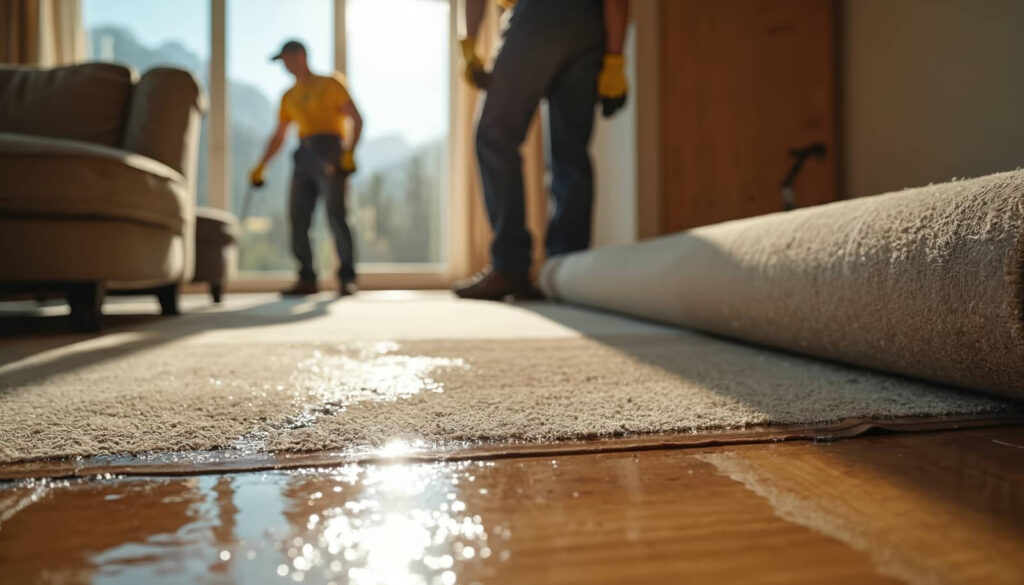
Water extraction services for flooded homes use pumps, vacuums, and targeted removal methods to clear water from floors, carpets, and low spaces.
They’ll work systematically, room by room, while keeping you informed so you know what’s happening and why.
This careful start helps your home feel controlled again, and it gives you a clear path forward with a team that understands your situation.
Why Fast Water Removal Prevents Bigger Damage
Fast water removal helps you control moisture before it spreads into walls, flooring, and insulation.
When you act quickly, you lower the conditions that support mold growth and limit how far the damage can progress.
That same speed also reduces stress on structural materials, helping you protect the home’s integrity.
Rapid Moisture Control
Because moisture spreads quickly through porous materials, rapid water removal helps you limit structural damage before it worsens. You should begin extraction as soon as it’s safe, because standing water keeps soaking into drywall, framing, insulation, and flooring.
A disciplined approach uses pumps, wet vacuums, and targeted dehumidification to reduce saturation levels in each affected zone. You’ll protect adhesives, prevent warping, and preserve load-bearing components by lowering moisture before it migrates deeper.
Measure progress with moisture meters, not guesses, so you can confirm each area is drying at the right rate. When you act fast, you stay in control, and your home’s recovery feels organized rather than overwhelming. That steady response helps you and your household move forward with confidence.
Mold Growth Prevention
Once the bulk water is out and moisture levels start dropping, you can turn your attention to mold prevention. You reduce risk by keeping indoor humidity below 60%, running air movers and dehumidifiers, and checking hidden cavities where damp materials linger.
You should inspect baseboards, drywall edges, carpets, and contents daily because mold can begin within 24 to 48 hours. If you spot a musty odor or visible growth, isolate the area and clean it with appropriate antimicrobial products. Remove wet porous items that can’t dry fully.
When you act quickly, you protect your home environment and help your household stay comfortable, healthy, and together. Fast drying doesn’t just limit cleanup; it keeps a manageable problem from becoming a shared, stressful outbreak.
Structural Damage Reduction
When water stays in a flooded home, it doesn’t just sit on the floor—it seeps into framing, swells wood, weakens drywall, and can stress subfloors and joints.
You reduce that load by removing standing water fast, because saturation spreads laterally and upward through capillary action. Quick extraction helps you preserve load-bearing members, limit fastener corrosion, and keep floor systems within safe moisture levels.
If you act early, you also lower the chance of warping that can throw doors, cabinets, and trim out of alignment.
Your home can recover more cleanly when the structure dries in a controlled way. You’re not overreacting; you’re protecting the shell that keeps your space stable, familiar, and ready to support you again.
How Professionals Extract Water From Flooded Homes
Professionals remove standing water from flooded homes with a systematic process designed to limit further damage and speed up drying.
You’ll usually see them begin with a site assessment, moisture mapping, and safety checks, so they can choose the right extraction method for your space. They use portable extractors, submersible pumps, and truck-mounted units to pull water from carpets, floors, and low areas efficiently.
In tight spots, they hand-extract water around baseboards, corners, and furniture edges. They also remove soaked materials that can’t be salvaged.
Throughout the job, they monitor progress, verify the water level drops evenly, and keep you informed, so you know your home is in capable hands.
This careful approach helps your home feel managed, protected, and supported.
How Drying Equipment Helps After Water Removal
Once you’ve removed standing water, you’ll use drying equipment to restore safe moisture levels in walls, floors, and air spaces.
High-velocity airflow speeds evaporation from wet surfaces, while dehumidifiers pull excess vapor from the air to stop hidden moisture from lingering.
Together, these tools help you dry the structure methodically and reduce the risk of secondary damage.
Airflow Speeds Drying
After standing water is removed, drying equipment speeds recovery by moving air across damp surfaces and lowering the moisture remaining in walls, floors, and contents.
You’ll notice that directed airflow accelerates evaporation because it strips away the humid boundary layer sitting on wet materials.
Fans work best when you position them to create steady, overlapping air movement through rooms, hallways, and around furniture. This helps your home dry more evenly and reduces the chance that trapped dampness lingers in corners or under items.
You’re not handling this alone; a well-planned setup gives your space a clear drying path and helps you regain control faster.
When airflow stays consistent, materials respond predictably, and you can move forward with confidence.
Dehumidifiers Prevent Hidden Moisture
Even when surfaces feel dry, dehumidifiers keep working to pull hidden moisture out of the air and out of materials that still hold water. You benefit because lower humidity slows swelling, odor, and mold growth in your home.
Technicians place units to create steady airflow and keep relative humidity in the safe range, often near 40-60%.
- They remove water vapor from enclosed rooms.
- They help drywall, flooring, and insulation dry evenly.
- They reduce the risk of secondary damage after extraction.
- They give you clear progress through meter readings.
With consistent monitoring, you and your restoration team can trust the drying plan. That shared process helps your home recover faster, and you’re not managing the flood alone.
When Extraction Isn’t Enough
If standing water is gone but your home still feels damp, extraction alone usually isn’t enough. You may still have moisture trapped in drywall, insulation, subfloors, and wall cavities, where pumps and wet vacs can’t reach.
That hidden water keeps materials saturated, slows drying, and raises the risk of mold, odor, and structural damage. You’ll want continued drying with air movement, heat control, and moisture monitoring until readings return to safe levels.
Check baseboards, corners, and flooring edges for coolness or swelling, since these often reveal lingering moisture. If you act now, you’re not overreacting—you’re protecting your home and restoring a healthy space for everyone inside.
Your next steps should focus on stabilization, not just removal.
How to Choose the Right Water Extraction Service
Choosing the right water extraction service starts with confirming that the company responds fast, evaluates damage thoroughly, and uses the proper equipment for your situation.
You should ask about certified technicians, moisture mapping, and truck-mounted or portable pumps. A reliable team will explain their process, document losses, and coordinate with your insurer.
You’ll feel more at ease when they test humidity, remove hidden water, and protect salvageable materials. Look for clear pricing, 24/7 availability, and local references from homeowners like you.
- Check response time.
- Verify credentials and insurance.
- Review equipment and methods.
- Ask for a detailed scope.
Frequently Asked Questions
How Much Do Water Extraction Services Usually Cost?
You’ll usually pay $500 to $3,000, depending on water depth, area size, and urgency. You can lower costs by acting fast, documenting damage, and choosing a provider who explains each extraction step clearly.
Does Homeowner’s Insurance Cover Flood Water Extraction?
Usually not; you’ll often need separate flood insurance for water that’s seeped in. Review your policy’s wording, then call your insurer quickly. You can document damage, file promptly, and feel supported through the claims process.
How Long Does Water Extraction Take for a Typical Home?
For a typical home, you’ll usually see water extraction take 2 to 8 hours, depending on depth, access, and equipment. You can expect faster results when you act quickly and crews use high-capacity pumps.
Can I Stay in My House During Water Extraction?
Yes, you can sometimes stay in your house during water extraction if affected areas remain safe and dry. You’ll need to avoid work zones, follow technicians’ guidance, and leave if electrical, structural, or air-quality risks appear.
What Should I Do Before the Technicians Arrive?
You should turn off electricity, move valuables, and document damage. Clear access paths, remove pets, and keep children away. If it’s safe, stop the water source and wait calmly for the technicians.
Wrap-Up
When you’re facing a flooded home, fast, professional water extraction can be the lifeline that keeps damage from spreading like wildfire. You’ll want a team that assesses the source, removes standing water, and uses drying equipment to protect your structure and help prevent mold. If extraction alone isn’t enough, they’ll guide you to the next step. Choose a service that communicates clearly, documents everything, and works methodically to restore your home with confidence.
Recent Posts
How Long Water Extraction Services Usually Take
Water extraction usually takes a few hours, but your timeline depends on the size of
Water Extraction Services and Structural Drying
You need rapid water removal, you need controlled structural drying, and you need accurate moisture
Water Extraction Services for Burst Pipes
When a pipe bursts, you’re up against more than a mess—you’re fighting the clock. You