
Contents
When water hits your property, you need fast extraction before damage spreads. You’ll see crews start with source control, then assess standing water, carpet saturation, and hidden moisture in walls or subfloors. They use pumps, truck-mounted vacuums, and meters to remove water and verify drying progress. But speed isn’t the only variable, and the methods that work best depend on what’s wet, where it’s trapped, and how long it’s been there.
Key Takeaways
- Professionals first assess the source, spread, and type of water intrusion, then document affected areas to plan extraction safely.
- They use high-capacity pumps and wet vacuums to remove standing water quickly and reduce absorption into floors, walls, and carpets.
- Moisture meters and infrared cameras help locate hidden water in cabinets, wall cavities, insulation, and baseboards.
- Air movers and dehumidifiers accelerate drying by moving air through hidden spaces and removing vapor from the room.
- Fast extraction limits mold growth, structural damage, odors, and downtime while protecting electrical and walking hazards.
What Water Extraction Crews Do First
When water extraction crews arrive, they first assess the source, extent, and type of water intrusion so they can choose the safest removal method.
You’ll see them map affected rooms, verify moisture migration, and identify materials that need immediate handling. They document conditions, protect unaffected areas, and set up extraction routes that limit spread.
Using water extraction services, they deploy pumps, vacuums, and weighted tools to remove standing water from floors, carpets, and hidden cavities.
You’re kept informed about priorities, hazards, and access needs, so you can stay aligned with the crew’s plan.
They also check electrical risks, stabilize contents, and prepare surfaces for drying.
That first pass isn’t guesswork; it’s a controlled process built to restore order fast.
When Emergency Water Extraction Makes Sense
Emergency water extraction makes sense as soon as water is actively spreading, soaking into porous materials, or threatening structural components. You should call for it when floors feel saturated, baseboards swell, or visible standing water won’t stop migrating.
Fast removal limits absorption in drywall, wood, carpet, and padding, which helps you avoid bigger repairs and longer downtime. It also protects your household or crew from unsafe walking surfaces and electrical hazards.
If you’re dealing with a burst pipe, appliance leak, or storm intrusion, emergency service gives you a coordinated response that fits your situation. You don’t need to wait for visible damage to worsen.
Acting early keeps the process controlled, reduces secondary losses, and puts you back in a safer, more familiar space sooner.
How Professionals Find Hidden Water
Once visible water is removed, professionals check for moisture that’s still trapped behind walls, under flooring, and inside cavities. You’ll see them use moisture meters, infrared cameras, and tactile checks to map damp areas without opening everything at once.
They compare readings across surfaces, then trace patterns that show where water migrated. In a well-run team, you’re kept informed at each step, so you know what’s wet, what’s drying, and what needs attention.
Technicians also inspect trim, baseboards, and insulation for hidden saturation, since these materials can hold water longer than you’d expect. By targeting concealed moisture early, they help you protect the structure, reduce secondary damage, and stay confident that no wet spot’s been missed.
How Pumps and Vacuums Remove Water
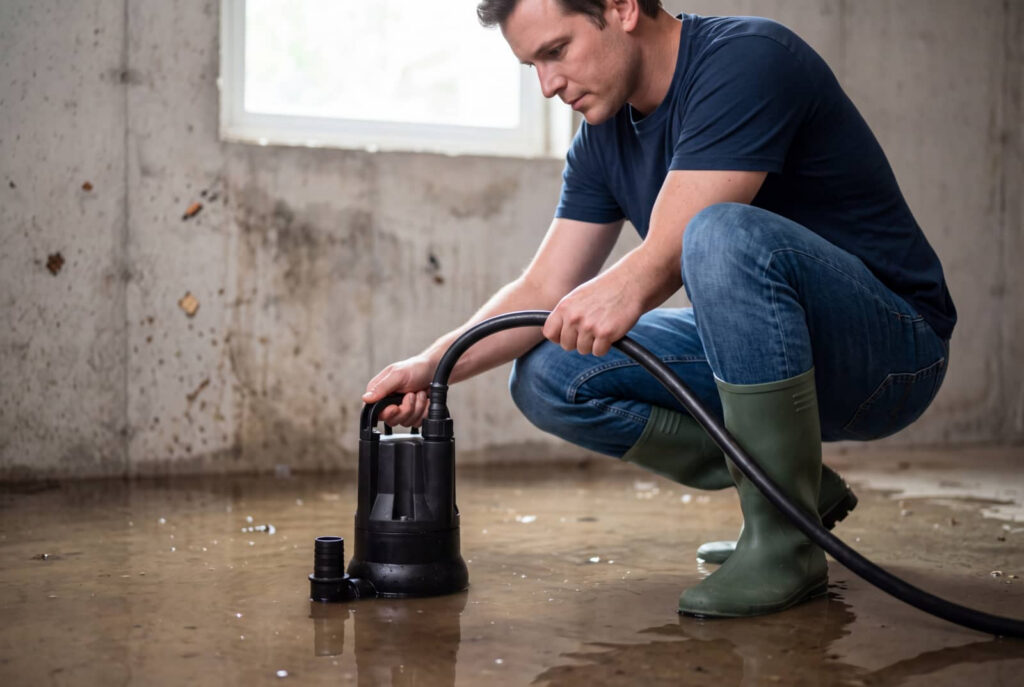
You use pumps to move standing water quickly from floors, carpets, and cavities, and their extraction speed depends on flow rate and lift capacity.
You use vacuums to generate suction that pulls moisture from porous materials and tight spaces, with performance tied to negative pressure and airflow.
When you match pump output and vacuum suction correctly, you improve water removal efficiency and reduce the time needed for drying.
Pump Extraction Speed
Pump extraction speed depends on the equipment’s flow rate, lift capacity, and the volume of standing water. Faster pumps remove large pools quickly while vacuums handle residual moisture in tighter spaces.
You’ll see the biggest gains when technicians match pump size to the job instead of using a one-size-fits-all setup. For shallow flooding, a high-capacity pump can clear water in minutes, keeping you ahead of swelling materials and secondary damage.
You and your crew benefit when extraction starts early, because faster removal shortens drying time and reduces strain on the rest of the system. Professionals also reposition equipment as the water level drops, so each pass stays efficient.
That coordinated approach helps your property recover faster and gives you confidence that the work’s being handled right.
Vacuum Suction Power
Suction strength determines how effectively vacuums pull water from carpets, padding, cracks, and other low-clearance spaces after bulk extraction.
You rely on high-lift equipment to draw moisture through wand heads, crevices, and fiber backing without spreading it. A strong vacuum creates a steady pressure drop, so you can remove trapped water that gravity and pumps leave behind.
Technicians check hose seals, airflow, and tank capacity because leaks weaken pull and slow your progress. When you choose the right attachment, you improve contact with the wet surface and help the machine reach deeper layers.
This step matters because you want your crew’s work to be thorough, controlled, and consistent. With proper suction, you support faster drying and protect the material you’re restoring.
Water Removal Efficiency
Efficient water removal depends on matching pump flow rate and vacuum lift to the amount of standing water and the material’s porosity.
You get faster results when you start with a high-capacity pump for bulk water, then switch to a vacuum for residual moisture. Pumps move volume quickly, while vacuums create the suction needed to pull water from carpet, padding, and seams.
You should track lift height, hose diameter, and discharge distance because each one affects throughput. If you’re part of a restoration team, this coordination keeps drying consistent and reduces secondary damage.
Use overlapping passes, maintain seal contact, and empty recovery tanks before they restrict airflow. When you balance pressure, suction, and surface condition, you remove water efficiently and help the space recover faster.
How Water Extraction Removes Carpet Water
Water extraction removes carpet water by lifting moisture from the fibers, backing, and padding before it can spread deeper or trigger mold growth.
You get faster results when technicians use weighted extractors, air movement, and repeated passes to pull water from the carpet structure. This process works best because it reduces saturation without grinding water farther in.
You’ll notice three key effects:
- Less trapped moisture in the pile
- Lower risk of odor and microbial growth
- Faster recovery for your space and routine
When you act quickly, you help preserve the carpet’s texture and adhesive integrity.
That means your home or business can return to a clean, stable condition sooner, and you stay part of the recovery process instead of feeling left out.
How to Dry Walls, Cabinets, and Insulation
You’ll need to open wall cavities and use targeted air movement and dehumidification to dry framing, sheathing, and hidden moisture pockets.
Remove cabinet doors, pull toe kicks if needed, and dry all interior surfaces with airflow and heat while checking for swelling, delamination, or trapped water.
Inspect insulation closely, because saturated material often loses performance and must be replaced instead of dried.
Drying Wall Cavities
Dry wall cavities quickly to prevent hidden moisture from spreading into framing, insulation, and finishes. You’ll need to open baseboards or drill access holes so air can reach trapped moisture without widening damage.
Then place low-grain refrigerant dehumidifiers, axial air movers, and cavity drying systems to force evaporation from the inside out.
Inspect with a moisture meter and thermal camera to map wet zones.
Create targeted airflow through wall voids, not just across the surface.
Keep drying until readings match unaffected areas and materials stabilize.
You’re part of a crew that values speed and accuracy, so document progress each day.
If insulation stays saturated or odor persists, remove the material and reset the cavity for safe, complete drying.
Cabinet Moisture Removal
After wall cavities are under control, check nearby cabinets for trapped moisture, swollen panels, and damp toe kicks, since water often wicks into particleboard, plywood, and hidden seams.
You should open doors, remove contents, and inspect the backs, shelves, and bases with a moisture meter.
Then place air movers to push dry air through toe-kick openings, gaps, and under-cabinet spaces, and set dehumidifiers nearby to pull vapor from the room.
If you can access hidden cavities, keep them ventilated until readings stabilize.
Wipe standing water fast, but don’t over-saturate finishes.
You’re part of the crew here, so work methodically and document each wet area.
Drying cabinets quickly helps protect structure, reduce odor, and keep the job moving toward a clean, reliable result.
Insulation Replacement Needs
If insulation has soaked through, assess whether it can dry in place or needs replacement, because wet fiberglass, cellulose, and mineral wool can trap moisture against framing and slow the entire mitigation process. You should open wall cavities, inspect vapor barriers, and verify moisture readings before you decide.
Remove saturated insulation when it sags, clumps, or smells musty.
Dry adjacent studs, sheathing, and subfloors with airflow and dehumidification.
Reinstall only after materials hit safe moisture levels and you’ve confirmed no hidden staining.
When you act quickly, you protect indoor air quality and keep your crew aligned with a clean, safe rebuild.
If the cavity stayed wet long enough for mold or structural damage, replace the insulation instead of trying to salvage it.
How Extraction Prevents Mold Growth
When water extraction begins quickly, it removes the moisture mold needs to colonize and spread across porous materials. You cut off the humidity that lets spores germinate in drywall, carpet backing, insulation, and framing.
Professionals use high-capacity pumps, vacuums, and air movement to lower surface and hidden moisture before growth can establish. You also reduce the chance that trapped water will migrate deeper into cavities, where mold can develop unnoticed.
Fast extraction supports a cleaner dry-down, so you and your property team can move into dehumidification, monitoring, and sanitation sooner. That coordinated response helps your space return to safe use with less structural damage, fewer odors, and lower remediation costs.
What Slows Water Extraction Down
Water extraction can slow when moisture stays trapped in hidden pockets behind walls, under flooring, or inside insulation, where standard equipment can’t reach it quickly.
You’ll also lose time when materials hold water differently, since porous surfaces and dense assemblies need separate drying approaches.
Limited access around furniture, crawl spaces, or structural damage can further delay removal and extend the overall drying process.
Hidden Moisture Pockets
Hidden moisture pockets can slow extraction because trapped water lingers inside wall cavities, under flooring, behind baseboards, and within insulation where standard removal tools can’t reach.
You need to find these reservoirs quickly so your team can stop spread and start drying the right zones. Technicians use meters, infrared scans, and targeted openings to confirm where water remains.
- Map wet areas first to avoid chasing surface dryness.
- Check seams, connections, and low points for lingering saturation.
- Verify readings after each pass so you don’t miss hidden pockets.
When you work this way, you stay aligned with the crew, reduce uncertainty, and keep the extraction plan focused on the moisture that still threatens the structure.
Material And Access Limits
Material type and physical access can slow water extraction fast, because porous surfaces, layered assemblies, and tight voids hold moisture longer and block equipment reach.
You’ll see this in carpet pad, drywall, insulation, wood framing, and subfloors, where water wicks inward and dries unevenly.
If cabinets, toe kicks, crawlspaces, or wall cavities restrict access, technicians can’t place vacuums, inject heat, or move air efficiently.
That means you need targeted teardown, localized drilling, or selective removal before full extraction can work.
Good crews map materials, test moisture, and open only what’s necessary so you stay in control and avoid needless demolition.
When you understand these limits, you can work with your team confidently, choose the right method, and get your property back faster.
Why Moisture Meters Matter After Extraction
After extraction, a moisture meter helps you verify that affected materials have actually dried to an acceptable level, not just look dry on the surface. You can’t trust appearance alone, because drywall, wood, and subfloors often hold hidden moisture that keeps damage active.
Using meter readings gives you a common baseline, so you and your team can track progress with confidence and stay aligned.
- Confirm dry readings before repairs begin.
- Compare affected areas to unaffected materials nearby.
- Spot trapped moisture early, before mold can develop.
This simple check helps you protect the structure, shorten downtime, and avoid repeat work.
When you measure, you make smart decisions, and you stay part of a crew that solves the problem completely, not partially.
How To Choose A Water Extraction Service
When you choose a water extraction service, start by checking how quickly they can respond, what equipment they use, and whether they can document moisture levels before and after removal.
You want a team that arrives with truck-mounted extractors, portable pumps, dehumidifiers, and calibrated meters, because speed and measurement reduce secondary damage.
Ask whether they map affected areas, protect unaffected rooms, and explain each step in plain language.
Verify insurance, certification, and 24/7 availability, since water problems don’t wait.
A good provider also shares drying goals, monitors progress, and gives you written reports you can trust.
Choose professionals who treat your home like part of their own community, with respect, accountability, and clear communication throughout the job.
Frequently Asked Questions
Do Water Extraction Services Handle Sewage Contamination?
Yes, they usually do, and you should expect trained crews to isolate the area, remove contaminated water, disinfect surfaces, and dispose of waste safely. You’ll get specialized cleanup that protects your property and your team.
Is Water Extraction Covered by Homeowner’s Insurance?
Yes, you’re usually covered if the water came from a sudden, accidental event; like a burst pipe, not flooding. You’ll want to review your policy, document damage, and call your insurer quickly.
Can Professionals Save Hardwood Floors After Flooding?
Yes, you can often save hardwood floors if you act fast. You’ll need professionals to extract water, dry subfloors, and monitor moisture. Quick intervention reduces cupping, warping, and microbial growth, protecting your home’s value.
How Soon Should Water Extraction Start After a Leak?
Immediately, ideally within an hour, you should start water extraction after a leak; the faster you act, the less damage you’ll face. You’ll protect materials, reduce mold risk, and keep your space feeling secure.
Do I Need to Leave My Home During Extraction?
Usually, you don’t need to leave during extraction, but you should if crews shut off utilities, remove contaminated water, or set heavy equipment. You’ll stay safer, and you’ll help the team work efficiently.
Final Thoughts
When you call water extraction services, you get a fast, practical response that clears pooled water and eases damp pockets before they settle in. Crews use pumps, vacuums, and moisture meters to lift the burden from floors, carpet, and hidden cavities. You can shorten drying time, limit musty aftereffects, and reduce structural wear. If you act quickly and choose the right team, you give your property the best chance to bounce back cleanly.
Recent Posts
Emergency Property Damage Restoration Checklist for Homeowners
When property damage hits your home, the first hour matters most. You need to make
Property Damage Restoration vs Home Repair Differences
When you’re deciding between property damage restoration and home repair, the difference usually comes down
When to Call Property Damage Restoration Services
You should call property damage restoration services as soon as you notice water stains, smoke