
Contents
When dealing with black fungi, understanding its biology and growth conditions is vital. You need to identify sources of moisture, as they create an ideal environment for fungi proliferation. Preparing your space effectively, along with using the right cleaning materials, is essential for successful removal. This process requires attention to detail and adherence to safety measures. Following these steps can considerably reduce the risk of recurrence, but there’s more to take into account for long-term prevention.
Key Takeaways
- Identify and eliminate moisture sources by checking for leaks, condensation, and groundwater seepage to prevent fungal regrowth.
- Gather safety gear, including gloves, masks, and goggles, before starting the removal process to protect against exposure.
- Use appropriate cleaning supplies, such as fungicides and scrubbing tools, to effectively eliminate black fungi from surfaces.
- Clean and disinfect affected areas thoroughly, allowing disinfectants to sit for the recommended time before rinsing.
- Implement preventive measures like humidity control and regular inspections to deter future mold growth in your space.
Understanding Black Fungi
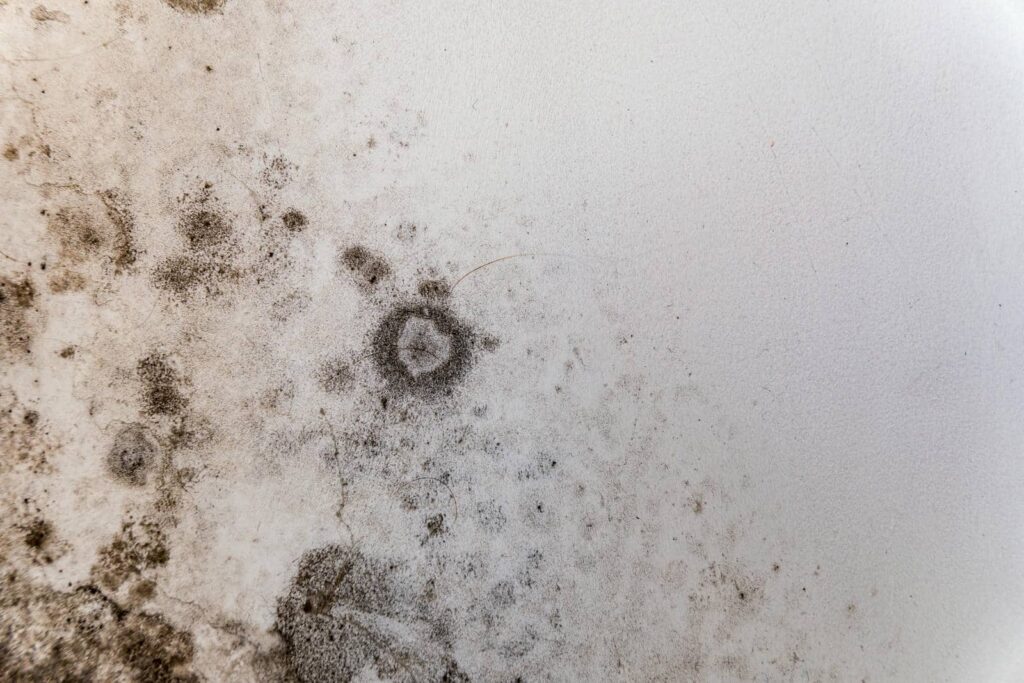
Black fungi, a diverse group of microorganisms, thrive in various environments, often characterized by their dark pigmentation. These fungi possess unique characteristics, including their ability to withstand extreme conditions and utilize a wide range of substrates for growth. You’ll notice they often appear in damp, humid areas, making them a common sight in poorly ventilated spaces. While some species play vital roles in ecosystems, others pose significant health risks to humans, particularly those with weakened immune systems. Inhalation or contact can lead to severe infections, such as mycoses, which may require intensive medical treatment. It is important to recognize these potential hazards, especially if you or someone in your household is immunocompromised. Understanding black fungi’s characteristics and health implications can empower you to take proactive measures in your environment, ensuring a safer and healthier living space for everyone.
Identifying the Source of Moisture
Moisture is a key factor in the proliferation of black fungi, making it crucial to identify its source in your environment. By addressing moisture sources, you can effectively implement humidity control strategies. Start by examining common areas where moisture accumulates:
- Leaks: Check for dripping pipes or leaky roofs that may introduce excess water.
- Condensation: Look for areas with poor ventilation, where warm air meets cold surfaces, leading to water buildup.
- Groundwater: Investigate the foundation and basement for signs of water seepage, especially after heavy rainfall.
Once you pinpoint these moisture sources, you can take action to mitigate them. This proactive approach not only reduces fungal growth but also fosters a healthier living space. Remember, identifying and controlling moisture is a crucial step in preserving your home and wellbeing.
Preparing Your Space for Removal
Before you start removing black fungi, it’s vital to gather essential safety gear, including gloves, masks, and goggles, to protect yourself from spores and irritants. Next, clear the area of any furniture or items that could obstruct your work or become contaminated. This preparation not only enhances safety but also guarantees a more efficient removal process.
Gather Essential Safety Gear
When tackling the removal of black fungi, gathering essential safety gear is crucial for your protection and effectiveness. Proper equipment not only safeguards your health but also enhances your ability to execute the task efficiently. Here’s what you need to collect:
- Safety goggles: Protect your eyes from spores and debris.
- Respirator mask: Prevent inhalation of harmful particles while you work.
- Protective gloves: Shield your hands from direct contact with fungi and cleaning solutions.
Wearing this gear guarantees you minimize exposure to allergens and toxins, fostering a safer environment for yourself and anyone nearby. Prioritizing safety gear lays the groundwork for a successful removal process, making you feel more confident and capable as you tackle the challenge ahead.
Clear the Area
Once you’ve equipped yourself with the proper safety gear, it’s important to clear the area where you’ll be removing black fungi. Start by organizing your space; remove any items that could obstruct your access to the affected areas. This area preparation not only enhances your efficiency but also minimizes the risk of cross-contamination. Verify that surrounding surfaces are covered with plastic sheeting to contain spores and debris. Additionally, establish a designated zone for your tools and materials, keeping everything within arm’s reach. Proper space organization helps maintain focus and reduces the likelihood of accidents. By meticulously preparing your environment, you create a safer, more effective workspace, fostering a sense of community as you tackle this challenge together.
Gathering Necessary Tools and Materials
To effectively remove black fungi, you need to gather essential cleaning supplies such as fungicides and scrubbing tools, which will guarantee thorough eradication. Additionally, don’t underestimate the importance of protective gear, including gloves and masks, to safeguard yourself from harmful spores. Finally, familiarize yourself with proper disposal methods to maintain safety and prevent further contamination.
Essential Cleaning Supplies
Effective removal of black fungi requires a strategic approach, starting with the right cleaning supplies. To tackle this issue effectively, you’ll need specialized cleaning products and mold removers that target fungal spores directly. Here’s a quick list of essential items to gather:
- Mold removers: Look for products containing bleach or vinegar, as they’re effective in killing fungi.
- Scrubbing brushes: Choose brushes with stiff bristles to guarantee thorough cleaning.
- Buckets and spray bottles: Use these for efficient application and mixing of solutions.
Having these supplies on hand not only streamlines the process but also helps you feel prepared and confident in your ability to combat black fungi. You’ll be well-equipped to restore your space to a clean and healthy state.
Protective Gear Requirements
While tackling black fungi, it’s important to prioritize your safety by wearing appropriate protective gear. Start with a high-quality protective mask that filters out airborne spores and mycotoxins. This is vital, as inhaling these particles can lead to respiratory issues. Next, don safety goggles to shield your eyes from potential irritants and fungal debris. These goggles should fit snugly to prevent any particles from sneaking in during your cleanup efforts. Additionally, consider wearing gloves made from durable materials to protect your skin from harsh cleaning agents and fungi. By equipping yourself with these important items, you not only enhance your safety but also create a sense of confidence within your community, knowing you’re prepared to tackle this challenge effectively.
Disposal and Safety Tips
Once you have your protective gear in place, gathering the right tools and materials for effective disposal of black fungi becomes paramount. Proper disposal methods not only guarantee your safety but also prevent the spread of spores. You’ll need to be meticulous in your preparation.
- Heavy-duty trash bags for containment
- A mask with a HEPA filter for respiratory protection
- A spray bottle filled with fungicidal solution for sanitizing surfaces
Follow these safety precautions: double-bag the fungi waste to minimize exposure, seal bags tightly, and dispose of them in accordance with local regulations. By adhering to these guidelines, you contribute to a healthier environment while safeguarding your well-being during the removal process.
Safety Precautions Before Starting
Before tackling the removal of black fungi, it’s essential to take several critical safety precautions to protect yourself and others. First, familiarize yourself with safety protocols specific to fungal removal, as these guidelines can minimize exposure. Equip yourself with personal protective equipment (PPE) like gloves, goggles, and an N95 respirator to reduce inhalation risks and skin contact.
Next, guarantee proper ventilation in the area by opening windows or using fans to disperse spores. Be aware of the health risks associated with black fungi, including respiratory issues and allergic reactions, which can be exacerbated by prolonged exposure.
Before you begin, check that all cleaning agents and tools are safe for indoor use, as some may release harmful fumes. By taking these precautions seriously, you not only safeguard your health but also foster a safer environment for those around you.
Step-by-Step Removal Process
To effectively remove black fungi, start by evaluating the affected area to determine the extent of the growth and the materials involved. Understanding the different fungi types can guide your removal techniques effectively. Follow these steps to guarantee a thorough process:
- Identify the surface: Check if the fungi are on porous materials like wood or non-porous surfaces like tile. This influences your method.
- Choose your removal technique: Options include scrubbing with soapy water, using a vinegar solution, or employing commercial antifungal cleaners.
- Assess potential regrowth: After removal, inspect for moisture sources that could promote future growth.
Cleaning and Disinfecting Surfaces
To effectively remove black fungi, you’ll need to gather essential cleaning supplies such as gloves, masks, and suitable detergents. Understanding proper disinfection techniques is vital, as these will guarantee that surfaces are not only cleaned but also free from spores. By combining the right tools with effective methods, you can considerably reduce the risk of fungal regrowth.
Essential Cleaning Supplies
Cleaning and disinfecting surfaces effectively requires a strategic selection of essential supplies. To tackle black fungi, you’ll need cleaning solutions that are specifically formulated to break down fungal spores. Additionally, incorporating mold inhibitors can prevent future growth, ensuring your space remains safe and healthy. Here’s a quick list of essential supplies you should gather:
- Anti-fungal cleaning solutions: Look for products with proven efficacy against mold.
- Mold inhibitors: Use these to create a barrier against future infestations.
- Protective gear: Gloves and masks will help you stay safe during the cleaning process.
Disinfection Techniques Explained
While tackling black fungi, understanding effective disinfection techniques is essential for ensuring surfaces are not only cleaned but also rendered inhospitable to future growth. Start by selecting appropriate disinfectant types, such as bleach solutions or hydrogen peroxide, which have proven efficacy against fungal spores. Apply these disinfectants to surfaces using a spray bottle or cloth, ensuring thorough coverage. Allow the disinfectant to sit for the recommended contact time, generally around 10 minutes, to maximize effectiveness. For porous materials, consider steam cleaning as an effective method to penetrate deeper layers. Finally, follow up with a rinse to remove any residue. By employing these techniques, you’ll foster a healthier environment, greatly reducing the likelihood of black fungi re-establishing.
Preventing Future Mold Growth
Given that mold thrives in damp environments, preventing future growth hinges on controlling moisture levels in your home. By implementing effective strategies, you can create an inhospitable environment for mold. Here are key steps to contemplate:
- Use humidity control devices: Invest in dehumidifiers to maintain ideal humidity levels below 60%.
- Apply mold resistant paints: When painting, choose mold resistant options for areas prone to moisture, like bathrooms and kitchens.
- Regularly inspect for leaks: Check plumbing and roofing for leaks, addressing any issues promptly to prevent water accumulation.
In addition, guarantee proper ventilation in your home. Open windows, use exhaust fans, and allow airflow to circulate, particularly in humid areas. By taking these proactive measures, you’ll not only protect your home but also foster a healthy living environment for you and your loved ones.
When to Call a Professional
Recognizing when to call a professional for mold removal is essential, especially if you encounter significant infestations or persistent moisture issues. If you notice extensive black fungi covering large areas, it’s a strong sign of infestation that requires expert intervention. Additionally, if mold reappears despite your cleaning efforts, you should consider professional help.
Pay attention to signs of infestation such as a musty odor, water stains, or visible mold growth. These indicators suggest underlying moisture problems, which professionals can diagnose and resolve effectively.
If you or your family members experience health issues, like respiratory problems or allergic reactions, these symptoms can also signal the need for professional assistance. Remember, addressing mold promptly not only preserves your home’s integrity but also guarantees a safe living environment. Don’t hesitate to reach out to experts when faced with these critical signs—your health and home deserve the best care.
Maintaining a Mold-Free Environment
To maintain a mold-free environment, it is crucial to control moisture levels throughout your home, as excess humidity directly contributes to fungal growth. Implementing effective humidity control strategies can greatly reduce the risk of mold infestations. Consider the following actions:
- Use mold resistant materials in areas prone to moisture, like bathrooms and kitchens, to inhibit fungal growth.
- Ventilate your home properly by using exhaust fans in high-humidity areas, such as laundry rooms and attics.
- Monitor indoor humidity levels with a hygrometer, aiming to keep them between 30-50%.
Frequently Asked Questions
Can Black Fungi Cause Health Problems in Humans?
Yes, black fungi can pose significant health risks. They may lead to serious fungal infections, particularly in immunocompromised individuals. Understanding these dangers helps you take necessary precautions to protect your health and well-being.
How Long Does It Take to Completely Remove Black Fungi?
Removing black fungi depends on various factors, like the removal techniques you use and the growth conditions it thrives in. It can take a few days to several weeks for complete eradication. Stay persistent!
Is It Safe to Remove Black Fungi Without Professional Help?
Removing black fungi without professional help can be safe if you follow safety precautions and use effective DIY methods. Guarantee proper ventilation, wear protective gear, and understand the fungi’s nature to minimize health risks during removal.
What Are the Signs of Black Fungi Growth in My Home?
You notice dark spots on your bathroom ceiling; that’s a sign of black fungi growth. For black fungi identification, look for musty smells and moisture. Prevent it by controlling humidity and improving ventilation in your home.
Can I Use Regular Household Cleaners to Remove Black Fungi?
You can use regular household cleaners for fungi removal, but make certain they contain antifungal properties. For effective results, combine them with scrubbing to thoroughly eliminate spores, promoting a healthier living environment and enhancing your home’s overall wellbeing.
Wrap Up
Effectively removing black fungi requires diligence and attention to detail. By addressing moisture sources and employing the right tools, you can create a healthier environment. But why risk your health by neglecting preventive measures? Regular inspections and moisture control are essential to keep fungi at bay. Remember, while DIY efforts can be effective, knowing when to call a professional can make all the difference in ensuring long-term mold prevention and maintaining a safe living space.
Recent Posts
The Professional Flood Damage Cleanup Process Explained
You might think flood damage cleanup is just pumping out water, but the real process
Flood Damage Cleanup and Mold Prevention Strategies
After a basement pipe bursts overnight, you need to act within 24 to 48 hours
Cost of Flood Damage Cleanup Services for Property Owners
You pay for extraction, you pay for drying, you pay for sanitation, and you pay