
Contents
When dealing with black fungal growth, following a structured cleanup guide is essential for your health and safety. This type of mold can trigger severe respiratory issues and allergic reactions, especially in sensitive individuals. By understanding the risks, using the right tools, and adhering to a thorough process, you can effectively mitigate these dangers. But the question remains: what critical steps should you take to guarantee a successful black fungal cleanup and prevent future outbreaks?
Key Takeaways
- Following this guide ensures safe removal of black mold, minimizing health risks associated with exposure to spores.
- Proper safety gear is emphasized, protecting you from inhaling harmful mold spores during cleanup.
- The step-by-step process effectively addresses different levels of mold infestation, ensuring thorough cleaning.
- Preventative measures outlined in the guide help maintain a mold-free environment long-term.
- Knowing when to seek professional help prevents potential health issues and structural damage from extensive mold growth.
Understanding the Risks of Black Fungal Growth
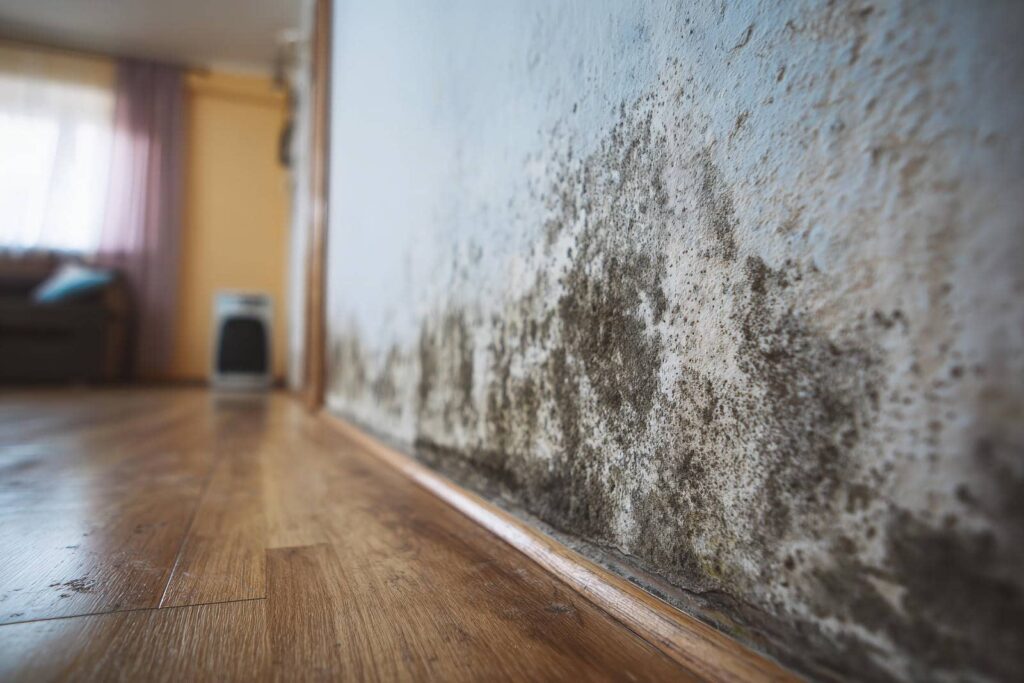
When you encounter black fungal growth in your environment, it’s important to understand the associated risks. Black mold, often referred to as Stachybotrys chartarum, can pose significant health hazards. Exposure to mold spores may lead to respiratory issues, allergic reactions, and even more severe conditions, particularly in vulnerable populations such as children, the elderly, or those with pre-existing health concerns. Symptoms can range from mild irritations to chronic health problems, making it imperative to address the situation promptly.
Moreover, prolonged exposure can exacerbate existing conditions like asthma or lead to new sensitivities. It’s essential to recognize these risks and take action to guarantee your living or working space remains safe. Understanding the potential dangers of black fungal growth fosters a sense of belonging, as you protect not only your health but also that of your family and community. Awareness is the first step toward effective prevention and remediation.
Essential Tools and Materials for Cleanup
To effectively tackle black fungal growth, having the right tools and materials on hand is essential. You’ll need a selection of cleanup supplies and safety equipment to guarantee a thorough and safe process. Here’s a quick reference table to help you gather what you need:
| Tool/Material | Purpose | Quantity |
|---|---|---|
| N95 Respirator | Protects against inhalation | 1 |
| Rubber Gloves | Prevents skin contact | 1 pair |
| Eye Protection | Shields eyes from spores | 1 pair |
| Mold Removal Solution | Destroys fungal growth | 1 gallon |
| Plastic Sheeting | Containment during cleanup | As needed |
Step-by-Step Cleanup Process
With the necessary tools and materials gathered, you’re ready to begin the cleanup process for black fungal growth. First, put on your safety gear, including gloves, goggles, and a mask to protect yourself from spores. Choose appropriate cleanup methods based on the severity of the infestation. For small areas, a mixture of water and detergent will suffice, while larger infestations may require a commercial fungicide.
Dampen the affected area to minimize spore spread, then scrub the surface thoroughly. Dispose of contaminated materials in sealed bags, making certain you follow local regulations for hazardous waste. After cleaning, ventilate the space to aid drying and prevent future growth.
Finally, inspect the area regularly and monitor for any signs of recurrence. By following these steps and adhering to safety precautions, you’ll guarantee a thorough and effective cleanup, fostering a healthier environment for you and your loved ones.
Preventing Future Mold Growth
Although cleaning up black fungal growth is essential, preventing its return is equally important. Effective mold prevention hinges on moisture control. Start by identifying and addressing any sources of excess moisture in your home. This could include repairing leaks, improving drainage, and ensuring proper ventilation in areas like bathrooms and kitchens. Use dehumidifiers in damp spaces to maintain humidity levels below 60%.
Regularly inspect your property for signs of water damage or mold, especially in hidden spaces like basements and attics. Keep your home clean and clutter-free, as dust and organic materials can promote mold growth. Additionally, consider using mold-resistant products when renovating or painting.
When to Seek Professional Help
If you notice extensive black fungal growth or persistent moisture issues despite your cleaning efforts, it’s time to contemplate seeking professional help. Understanding when to intervene can prevent further damage to your home and health. Look for these signs of infestation:
- Widespread Growth: If black fungus covers a significant area, DIY methods may not suffice.
- Health Symptoms: If you or your family experience respiratory issues, skin irritations, or allergic reactions, it’s vital to act.
- Structural Damage: If you observe rotting wood or water damage, professionals can assess and mitigate risks effectively.
Addressing these concerns promptly guarantees your living space remains safe and healthy. Don’t hesitate to reach out for expert assistance; you’re not alone in this. Seeking professional help can provide peace of mind and restore your home’s integrity.
Frequently Asked Questions
Can I Use Homemade Solutions for Black Fungal Cleanup?
Yes, you can use homemade remedies for black fungal cleanup, but their cleaning effectiveness may vary. Make certain your solution targets the specific fungus type and follow proper application techniques to achieve best results.
What Are the Signs of Black Fungal Growth?
Spotting signs of black fungal growth includes visible discoloration, musty odors, and moisture accumulation. For effective black fungus identification, act promptly to prevent further fungal growth and protect your environment from potential health hazards.
How Long Does Cleanup Typically Take?
Cleanup duration for black fungal growth typically ranges from a few hours to several days, depending on the extent of the infestation. Effective fungal removal requires thoroughness to guarantee complete eradication and prevent future issues.
Is Black Fungus Harmful to Pets?
Isn’t it charming how black fungus can turn your cozy home into a pet safety nightmare? Yes, it can be harmful to pets, causing respiratory issues or skin irritations. Better safe than sorry, right?
Can I Paint Over Areas With Black Fungus?
You can’t just paint over black fungus. Proper surface preparation is essential. Use effective painting techniques after thoroughly removing the fungus, ensuring a clean, dry surface for better adhesion and long-lasting results.
To Sum Up
By following this guide for black fungal cleanup, you’re not just protecting your home; you’re safeguarding your health and well-being. Imagine your living space as a fortress—each step you take against mold is like reinforcing the walls against an invasion. Statistics show that 1 in 10 people are sensitive to mold, underscoring the urgency of the issue. Don’t underestimate the power of prevention; a proactive approach today can keep your fortress standing strong tomorrow.
Recent Posts
The Professional Flood Damage Cleanup Process Explained
You might think flood damage cleanup is just pumping out water, but the real process
Flood Damage Cleanup and Mold Prevention Strategies
After a basement pipe bursts overnight, you need to act within 24 to 48 hours
Cost of Flood Damage Cleanup Services for Property Owners
You pay for extraction, you pay for drying, you pay for sanitation, and you pay