
Contents
What threatens your home more quietly than a slow leak, a worn roof, or faulty wiring? You deal with water damage, storm impact, electrical fires, mold growth, HVAC strain, pest intrusion, appliance flooding, and other hidden risks that can erode a property long before you notice obvious signs. Understanding these common causes helps you spot problems early, limit repairs, and decide what matters most next.
Key Takeaways
- Storms, fire, pests, and foundation movement are major causes of home property damage.
- Water leaks and plumbing failures can rot materials, raise bills, and cause mold.
- Roof damage often comes from storms and aging materials like shingles and sealants.
- Electrical faults, overloaded circuits, and old wiring can spark house fires.
- Poor HVAC maintenance and excess moisture can lead to mold and ceiling damage.
Common Causes of Property Damage in Homes
Property damage in homes often starts with everyday issues that can escalate quickly if you don’t catch them early. You face common causes of property damage in homes from storms, fire, pests, foundation movement, electrical faults, HVAC strain, roof wear, appliance failures, and poor maintenance.
You can reduce risk by inspecting your home regularly, replacing aging materials, testing alarms, trimming trees, sealing gaps, and scheduling professional servicing. When you stay alert, you protect your space and help your household feel secure.
Small warning signs often point to larger problems, so act fast when you notice stains, odors, cracks, or unusual noises. If you keep a routine and share responsibilities, you’ll create a safer home and a stronger sense of belonging.
Water Leaks and Plumbing Failures
Water leaks and plumbing failures are among the most destructive home hazards because even a slow drip can weaken materials, stain surfaces, and create hidden mold growth.
You can reduce risk by checking sinks, toilets, hoses, and appliance connections for dampness, corrosion, or pooling water. Watch for rising water bills, musty odors, warped floors, and peeling paint, since these signs often mean trouble before major damage starts.
Shut off the main water supply quickly if a pipe bursts, and schedule repairs right away to limit structural damage. You’ll also protect your home by insulating pipes in cold areas and replacing aging fixtures before they fail.
Staying alert helps you and your household catch small issues early, maintain a safer home, and avoid costly disruption.
Roof Damage From Storms and Age
When severe weather hits or a roof simply wears down over time, damage can spread quickly from the shingles to the underlying structure. You can protect your home by watching for missing shingles, lifted flashing, and sagging sections after storms.
Age also weakens sealants, underlayment, and fasteners, so small gaps can turn into leaks fast. Regular inspections help you catch problems before they affect insulation, ceilings, or framing.
- Check your roof after hail, wind, or heavy rain.
- Replace damaged shingles and seal exposed edges promptly.
- Schedule professional inspections as your roof gets older.
If you stay proactive, you’ll reduce repair costs and keep your household safer. A well-maintained roof helps you feel confident that your home can handle the weather and support your family year after year.
Electrical Problems That Start Fires
Electrical problems can spark fires quickly, especially if wiring is outdated, circuits are overloaded, or outlets are damaged.
You should watch for frequent breaker trips, buzzing sounds, warm switch plates, and scorched plugs, because these signs often point to unsafe conditions.
You can lower your risk by hiring a licensed electrician to inspect older systems, replacing frayed cords, and using the right-size bulbs and appliances for each circuit.
Avoid daisy-chaining power strips, and unplug devices when they’re not needed.
If you notice smoke, a burning odor, or sparks, shut off power if it’s safe and call emergency services right away.
Staying alert helps you protect your home and keep your household confident, connected, and safe.
Mold Damage Caused by Excess Moisture
Mold damage often develops after excess moisture gets trapped inside a home, especially in areas with poor ventilation, leaks, or flooding. You can often spot it by musty odors, stained walls, peeling paint, or visible growth on damp surfaces.
When moisture lingers, mold can spread into drywall, wood, carpet, and insulation, weakening materials and lowering indoor air quality. To protect your home and the people in it, act quickly when water enters your space.
- Dry wet areas within 24 to 48 hours.
- Fix leaks and clean affected surfaces promptly.
- Remove porous items that stay contaminated.
If you stay alert and respond early, you’ll reduce damage and keep your home safer, cleaner, and more comfortable for everyone who lives there.
HVAC Issues That Harm Your Home
HVAC problems can damage your home in ways that aren’t always obvious at first. When your system leaks condensate, it can stain ceilings, warp drywall, and soak insulation.
If filters stay clogged, airflow drops and parts overheat, which can shorten equipment life and raise energy bills. A malfunctioning thermostat may cause uneven temperatures, making rooms too humid or too dry and stressing finishes.
Poorly sealed ductwork can waste conditioned air and pull dust into living spaces. You can reduce risk by changing filters regularly, scheduling annual inspections, clearing vents, and watching for unusual noises, odors, or water around the unit.
Staying proactive helps you protect your home and feel confident that your HVAC system is supporting a healthy, comfortable space for everyone inside.
Pest Infestations and Structural Damage
Even a small pest problem can lead to serious structural damage if you don’t catch it early. When termites, carpenter ants, rodents, or bees enter your home, they can weaken wood, insulation, and wiring, leaving you with repairs that spread fast.
You protect your house and your peace of mind when you act quickly.
- Inspect basements, attics, crawl spaces, and wall edges for droppings, tunnels, or frass.
- Seal cracks, gaps, and utility openings so pests can’t move in.
- Store food tightly, remove moisture, and schedule regular pest inspections.
You’re not alone in this; many homeowners miss early warning signs until damage becomes visible.
If you notice sagging floors, hollow wood, or scratching sounds, respond right away and get professional help.
Appliance Failures That Cause Flooding
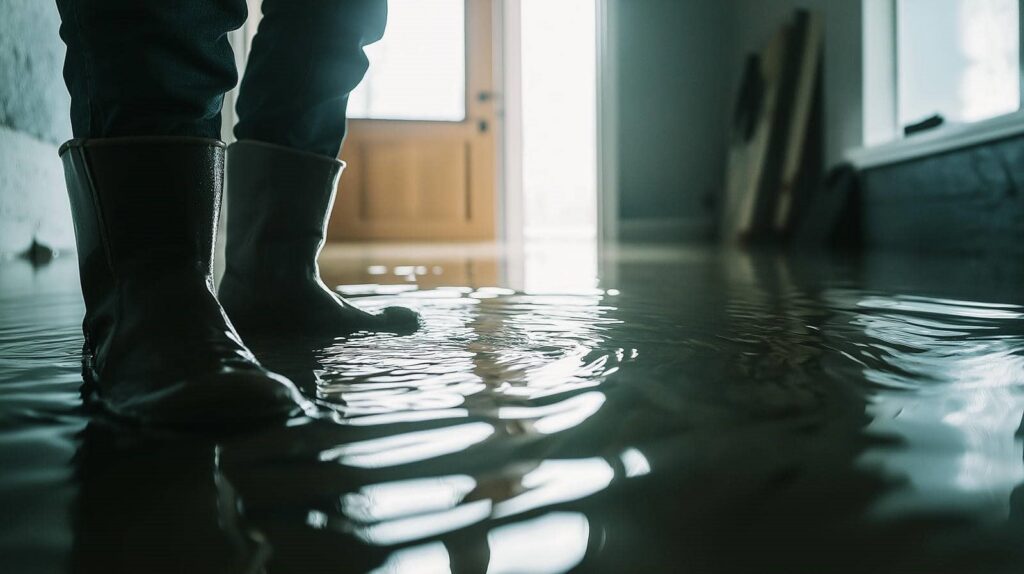
When appliances fail, they can release a surprising amount of water in a short time, turning a minor malfunction into serious flooding and property damage.
A washing machine hose can split, a dishwasher seal can leak, and a refrigerator’s ice maker line can crack without much warning. Water heaters may burst from corrosion or pressure buildup, while clogged drain pumps and faulty valves can let water overflow onto floors.
If you notice pooling, unusual noises, or damp cabinets, you’re seeing early signs that something’s wrong. These failures often spread through subfloors, walls, and nearby rooms, affecting shared spaces in your home.
How to Lower Your Risk of Home Damage
Lowering your risk of home damage starts with regular inspection and prompt maintenance, because small problems often become expensive repairs if you let them go. You can protect your home and feel confident by building simple habits that catch trouble early. Check roofs, plumbing, wiring, and windows each season, and fix leaks, cracks, or loose seals right away.
Test smoke alarms and inspect fire hazards monthly.
Clean gutters, trim trees, and grade soil away from the foundation.
Review insurance coverage, emergency contacts, and shutoff locations.
You’ll reduce losses further when you document your property, store valuables safely, and schedule professional evaluations for systems you can’t assess yourself.
Consistent care helps you stay prepared, connected, and in control.
Frequently Asked Questions
How Often Should Homeowners Review Their Insurance Coverage?
You should review your insurance coverage annually, and again after major life changes, renovations, or big purchases. You’ll stay better protected, avoid gaps, and make sure your policy still fits your needs.
What Documents Help Prove Property Damage Claims?
Photos, repair estimates, receipts, inventories, and dated images help prove your claim; ironic, isn’t it, that damage needs paperwork? You’ll also want police or fire reports, contractor notes, and insurer correspondence to strengthen your case.
When Should a Home Inspection Be Scheduled?
You should schedule a home inspection before buying, selling, or after major repairs, storms, or visible damage. You’ll catch hidden issues early, protect your investment, and feel confident about your home’s condition.
Which Home Upgrades Add the Most Protection?
You’ll gain the most protection from upgraded roofing, impact-resistant windows, smart leak detectors, reinforced locks, and modern electrical panels. These sturdy additions feel secure, yet they also quietly reduce costly damage, helping you belong to a safer home.
How Can Tenants Reduce Damage in Rental Homes?
You can reduce damage by reporting leaks, pests, and faults quickly, cleaning regularly, using appliances safely, following lease rules, and protecting floors and walls. You’ll prevent bigger problems and show you’re a responsible tenant.
Review
By staying alert to leaks, roof wear, electrical faults, moisture, HVAC strain, pests, and appliance failures, you can reduce the chance of costly home damage. Regular inspections and prompt repairs help you catch problems before they spread. Think of it as using a pocket watch in a digital age: old-fashioned vigilance still works. When you maintain your home consistently, you protect its structure, your comfort, and your long-term investment.
Recent Posts
How Property Damage Restoration Companies Assess Damage
Before a restoration crew starts work, property damage restoration begins with evaluating hidden hazards, not
Cost of Property Damage Restoration Services Explained
When you face property damage, the restoration cost can shift fast depending on the damage
Property Damage Restoration Insurance Claims Guide for Homeowners
After property damage, property damage restoration insurance claims require you to move quickly, document everything,