
Contents
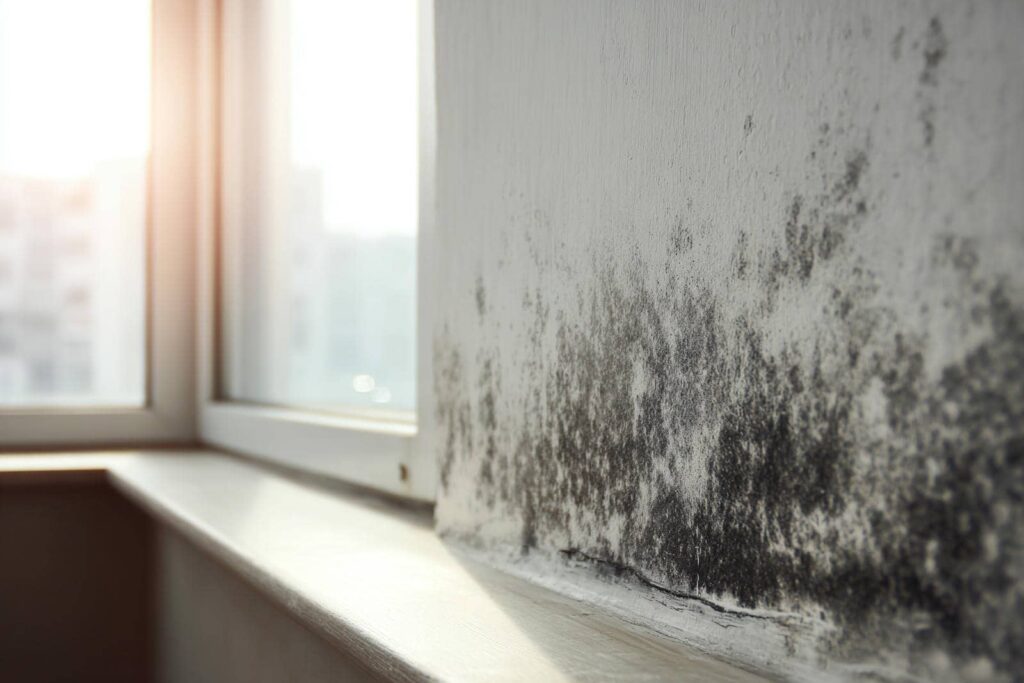
If you’ve recently discovered black mold in your basement after a flooding incident, it’s essential to act swiftly. First, you need to assess the damage thoroughly to understand the extent of contamination. This assessment will guide your next steps. Additionally, safety precautions are important to protect yourself during the cleanup process. Knowing how to effectively remove the mold and prevent it from returning is key to restoring your space. What comes next is significant.
Key Takeaways
- Conduct a thorough damage assessment to identify affected areas and document findings for effective remediation planning.
- Prioritize safety by wearing protective gear and ensuring proper ventilation during the cleanup process.
- Use appropriate mold removal techniques, including chemical agents and thorough scrubbing, to eliminate contamination.
- Repair any leaks and maintain humidity levels between 30% and 60% to prevent future mold growth.
- Implement regular maintenance routines to monitor moisture levels and keep high-risk areas clean and dry.
Assessing the Damage and Safety Precautions
Before you begin any cleanup and repair efforts, it’s essential to assess the damage thoroughly and implement necessary safety precautions. Start with a detailed damage assessment, examining walls, floors, and personal belongings for signs of contamination or structural integrity issues. Document your findings, noting the extent of damage, which will guide your remediation strategy.
Don’t underestimate the importance of safety gear. Equip yourself with gloves, masks, and goggles to protect against harmful particles and potential allergens. Make sure your workspace is well-ventilated to minimize inhalation risks. If you encounter extensive damage or suspect hazardous materials, consider consulting professionals who specialize in these situations.
Effective Mold Removal Techniques
To effectively remove mold, you’ll need to follow a systematic approach that targets the source of moisture and ensures complete eradication. Start by employing mold identification methods, such as visual inspections and moisture meters, to locate affected areas. Once identified, make sure you wear protective gear, including gloves and masks, to safeguard your health.
Next, select appropriate chemical removal agents like hydrogen peroxide or commercial mold removers. Apply these agents directly to the moldy surfaces, allowing them to sit for the recommended time to penetrate deeply. Scrub the area with a stiff brush to dislodge the mold, then wipe clean with a damp cloth.
Finally, dispose of any contaminated materials responsibly and dry the area thoroughly to prevent regrowth. By following these steps, you’ll eliminate existing mold and foster a safer environment for yourself and your loved ones.
Preventing Future Mold Growth
While you can’t completely eliminate the risk of mold, implementing proactive measures can greatly reduce its likelihood. Start by adopting effective mold prevention strategies, focusing on humidity control. Keep indoor humidity levels between 30% and 60% using dehumidifiers or air conditioning, especially in damp areas like basements and bathrooms.
Ensure proper ventilation in your home; exhaust fans in kitchens and bathrooms can considerably mitigate moisture buildup. Inspect and repair any leaks promptly, as water intrusion is a primary mold catalyst. Additionally, consider using mold-resistant materials when renovating or building, which can provide an extra layer of protection.
Regularly clean and maintain your home, focusing on high-moisture areas to discourage mold growth. By actively managing humidity and addressing potential moisture sources, you’ll create a healthier environment for yourself and your loved ones, fostering a sense of belonging in a mold-free home.
Frequently Asked Questions
How Much Does Black Mold Cleanup Typically Cost?
The cost of black mold cleanup varies based on several factors, including the extent of the infestation, mold remediation techniques, and necessary repairs. Typically, you can expect costs ranging from $500 to $6,000 or more.
Can I Do the Cleanup Myself or Hire Professionals?
You could channel your inner DIY hero, battling mold with homemade remedies, or admit defeat and seek professional services. Remember, it’s not just about tackling the mess; it’s about protecting your home—and sanity.
How Long Does the Entire Cleanup Process Take?
The cleanup duration varies based on your approach and the severity of the damage. Optimizing process efficiency through planning and teamwork can reduce time considerably, ensuring a thorough job while fostering a sense of community in recovery efforts.
What Are the Health Effects of Black Mold Exposure?
Exposure to black mold can cause respiratory symptoms, headaches, and skin irritation. You should implement prevention strategies, like maintaining humidity levels and proper ventilation, to reduce risks and protect your health effectively.
Are There Specific Products Recommended for Black Mold Removal?
For effective mold removal, you’ll want to use products like bleach or specialized mold removers. Combine these with thorough cleaning techniques, ensuring you wear protective gear to safeguard your health during the process.
Conclusion
Tackling black mold is like repairing a ship after a storm. You’ve got to assess the damage, don your protective gear, and use the right tools to ensure your vessel is seaworthy again. By following these three steps—assessing the damage, effectively removing the mold, and preventing future growth—you’re restoring your space and safeguarding your health. Remember, a well-maintained environment is your anchor in a safe and healthy life.
Recent Posts
7 Best Mold Removal Techniques for Water Damage
When dealing with mold after water damage, it’s essential to understand the best techniques for
Top Mold Remediation Techniques After Flooding
Flooding can lead to mold growth in as little as 24 to 48 hours, which
How to Remediate Mold After Flooding
After flooding, mold can quickly become a serious problem in your home. It’s essential to