
Contents
After flooding, mold can quickly become a serious problem in your home. It’s essential to assess the extent of mold growth right away to prevent further damage. Before you start remediation, however, you need to take safety precautions to protect yourself. Understanding effective cleaning methods and drying techniques can make a significant difference. But how do you determine when it’s time to bring in professionals? Let’s explore the steps you need to take for effective mold remediation.
Key Takeaways
- Assess the affected areas for mold indicators using a flashlight and moisture meters to identify problem spots.
- Remove standing water promptly and use dehumidifiers to lower humidity levels below 60%.
- Gather protective gear such as gloves, goggles, and N95 respirators before starting the remediation process.
- Clean affected surfaces with natural solutions like vinegar or chemical solutions for extensive growth, following safety guidelines.
- Consider professional help if mold covers more than ten square feet or if significant health concerns arise.
Assessing the Extent of Mold Growth
Evaluating the extent of mold growth is essential after flooding, as even a small amount can lead to significant health risks and structural damage.
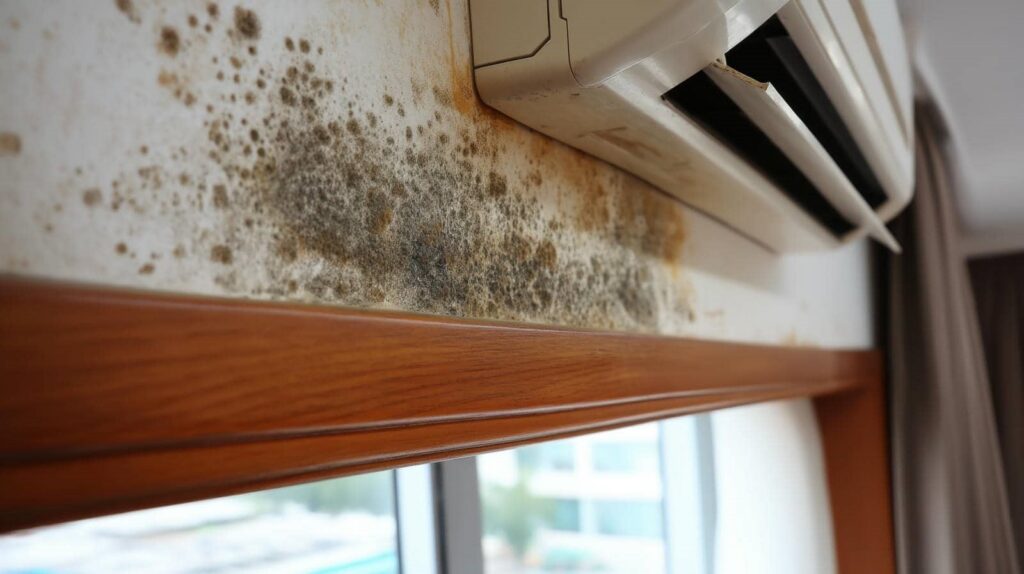
To effectively assess the situation, you’ll want to employ mold identification techniques that can help you spot potential issues. Start by looking for mold growth indicators, such as discoloration on walls, a musty odor, or visible spores. These signs often appear in damp areas like basements and behind appliances.
Use a flashlight to inspect hidden corners, and don’t overlook areas around windows and under carpets. If you can, consider using moisture meters to gauge humidity levels, as high moisture can promote mold development.
Document your findings carefully, as this information will be crucial for remediation efforts. By taking these proactive steps, you’ll create a safer environment for yourself and your loved ones, fostering a sense of belonging and well-being in your home.
Safety Precautions Before Starting Remediation
Before you begin the remediation process, it’s vital to prioritize safety to protect yourself and others in your home.
Start by gathering the right protective gear, including gloves, goggles, and N95 respirators. This will help shield you from mold spores that can exacerbate health issues.
Next, verify that your ventilation systems are functioning properly. Adequate airflow is essential for reducing airborne contaminants during the cleanup. If possible, open windows and doors to enhance ventilation further.
It’s also wise to establish a containment area to prevent mold from spreading to unaffected spaces. Use plastic sheeting to seal off areas you’re working in.
Finally, inform anyone nearby about the remediation effort so they can take necessary precautions.
Effective Cleaning Methods for Mold Removal
When tackling mold removal, using effective cleaning methods is essential for ensuring a thorough job.
Start by considering natural remedies like vinegar or baking soda, which can effectively kill mold without harsh chemicals. Simply mix these ingredients with water and apply them to the affected areas, scrubbing gently with a brush.
If the mold growth is extensive, chemical solutions might be necessary. Products containing bleach or specialized mold removers can penetrate tougher surfaces. Always follow the manufacturer’s instructions and wear appropriate protective gear.
Regardless of the method you choose, make sure you’re ventilating the area well to minimize inhalation of spores.
Remember, combining methods can also be effective; for instance, following up a chemical treatment with a natural remedy can enhance results.
Drying and Dehumidifying Affected Areas
To effectively combat mold growth after flooding, drying and dehumidifying the affected areas is essential. Start by removing any standing water using pumps or wet vacuums.
Once the bulk of the moisture is gone, focus on humidity control. Use dehumidifiers to lower the humidity levels and speed up the drying process. Aim for indoor humidity below 60% to create an environment less conducive to mold growth.
Ensure good air circulation by opening windows and using fans to promote airflow throughout the affected spaces. This helps dry surfaces faster and assists in distributing dehumidified air.
Pay special attention to hidden areas, like behind walls or under flooring, where moisture may linger. By systematically addressing drying and humidity control, you’ll considerably reduce the risk of mold taking hold, fostering a safer, healthier environment for you and your loved ones.
Preventing Future Mold Growth
Even after successfully drying and dehumidifying affected areas, taking proactive measures to prevent future mold growth is essential.
Start by incorporating mold resistant materials in your home, especially in areas prone to moisture like bathrooms and basements. These materials can greatly reduce the risk of mold taking hold.
Additionally, commit to regular inspections of your property. Check for leaks, water stains, or any signs of dampness, and address issues immediately.
Make sure that your home is well-ventilated to promote air circulation, which helps keep humidity levels in check.
It’s also a good idea to use exhaust fans in areas prone to moisture and to keep gutters clear to prevent water buildup.
When to Call in Professional Help
When you notice severe mold infestation, it’s vital to take into account professional help.
Extensive structural damage can complicate remediation efforts, making it challenging to address the problem effectively on your own.
Additionally, if health concerns arise, such as respiratory issues or allergic reactions, seeking expert assistance is essential for safety and thoroughness.
Severe Mold Infestation
If you notice extensive mold growth throughout your home after a flood, it’s crucial to assess the situation promptly.
Different mold types can pose serious health risks, especially when they proliferate unchecked. If you identify large patches or if the mold covers an area greater than ten square feet, it’s time to call in professional help.
These experts use specialized remediation techniques tailored to eliminate severe infestations effectively. They’ll evaluate the extent of the mold, identify the types present, and ensure thorough removal while preventing future growth.
Don’t underestimate the significance of addressing severe mold issues quickly—your health and your home’s integrity depend on it.
Reach out to professionals to reclaim your safe living environment.
Extensive Structural Damage
While evaluating the aftermath of flooding, recognizing extensive structural damage is essential for ensuring your home’s safety.
If you notice warped walls, sagging ceilings, or compromised foundations, it’s time to call in professionals. These signs indicate that the structural integrity of your home may be at risk.
Experts can assess the damage accurately and employ effective removal techniques to prevent further deterioration. Don’t underestimate the importance of addressing structural issues promptly; ignoring them could lead to more significant problems down the line.
By seeking help, you’re not just protecting your home; you’re also safeguarding your family’s well-being.
Health Concerns Present
Mold can pose serious health risks, making it essential to address any concerns promptly.
If you or your loved ones experience symptoms related to mold allergies or respiratory issues, it’s vital to take action.
Here are three signs that indicate it’s time to call in professional help:
Persistent Symptoms: If you notice ongoing coughing, sneezing, or skin irritation that doesn’t improve, it may be time to seek expert assistance.
Widespread Growth: If mold covers an area larger than 10 square feet, professionals have the expertise and equipment to handle it safely.
High Humidity Levels: Consistent humidity above 60% can exacerbate mold growth and health issues, signaling the need for intervention.
Addressing these signs can help protect your health and restore your home.
Frequently Asked Questions
Can Mold Return After Remediation if Not Properly Addressed?
Yes, mold can return if you don’t implement effective mold prevention techniques and ensure proper ventilation systems. Regular monitoring and maintenance are essential to prevent future infestations and maintain a healthy living environment.
How Long Does It Take for Mold to Grow After Flooding?
Mold growth can start within 24 to 48 hours under flood conditions. If you don’t address moisture quickly, you’re inviting mold to thrive, complicating the recovery process and impacting your environment considerably.
What Are the Health Risks Associated With Mold Exposure?
Exposure to mold can lead to various health symptoms, including respiratory issues, skin irritation, and mold allergies. If you notice these symptoms, addressing mold promptly is essential to maintaining your well-being and comfort.
Is It Safe to Use Bleach for Mold Removal?
Using bleach for mold removal isn’t always safe. While it’s effective against specific mold types, it doesn’t penetrate porous materials, allowing some molds to survive. Consider safer alternatives for thorough mold remediation.
Can I Remediate Mold Myself or Should I Hire a Professional?
Remediating mold yourself can be like steering through a maze; it’s tricky. DIY remediation might save money, but professional services ensure thoroughness and safety. Weigh your options carefully to find what feels right for you.
Final Thoughts
Effectively remediating mold after flooding is essential for your health and safety. By evaluating the extent of the problem, taking safety precautions, utilizing effective cleaning methods, and ensuring thorough drying, you can greatly reduce the risk of mold returning. If the situation exceeds your capabilities, don’t hesitate to call in professionals for help.
Recent Posts
Cost of Property Damage Restoration Services Explained
When you face property damage, the restoration cost can shift fast depending on the damage
Property Damage Restoration Insurance Claims Guide for Homeowners
After property damage, property damage restoration insurance claims require you to move quickly, document everything,
Property Damage Restoration Process for Homes Explained
You probably don’t know that restoration crews often start by finding hidden damage before they