
Contents
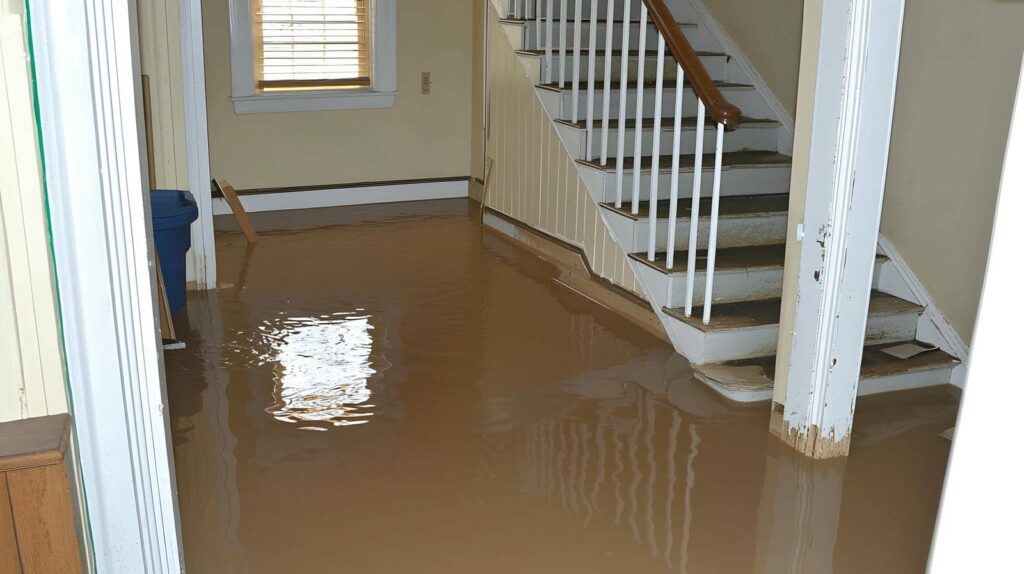
When dealing with flooded basements, using the right structural drying tools is vital for effective recovery. Air movers generate strong airflow, while dehumidifiers eliminate excess moisture from the environment. Additionally, infrared cameras and moisture meters help detect hidden dampness. Understanding these tools and their functions can greatly impact the restoration process. But what specific features should you consider to guarantee ideal results? Let’s explore these essential tools in more detail.
Key Takeaways
- Air movers create powerful airflow, enhancing drying efficiency by preventing moisture pockets in flooded basements.
- Dehumidifiers remove excess moisture from the air, with portable units suitable for smaller spaces and industrial units for severe situations.
- Structural drying systems combine high-capacity dehumidifiers, air movers, and portable heaters to restore homes effectively after flooding.
- Moisture detection tools like infrared cameras and moisture meters assess dampness levels and identify hidden leaks for timely intervention.
- Regular maintenance of drying equipment, including filter cleaning and tank inspections, ensures optimal performance during the drying process.
Air Movers
Air movers are vital tools in the structural drying process for flooded basements. They create a powerful airflow, greatly enhancing drying efficiency. By strategically positioning air movers, you can achieve ideal airflow optimization, ensuring every corner of the affected area is addressed. This concentrated airflow accelerates evaporation, reducing the time needed to dry out surfaces like carpets, walls, and floors.
When using air movers, it’s important to understand the proper angles and distances for placement. Aim for a 45-degree angle to maximize airflow across wet surfaces. Keeping air movers spaced adequately apart allows for uniform drying, preventing moisture pockets that can lead to mold growth.
Incorporating air movers into your drying strategy fosters a sense of community among those who’ve faced similar challenges. You’re not alone in this process; many have found success with the right tools, ensuring their basements return to a safe, dry environment.
Dehumidifiers
When managing moisture in a flooded basement, understanding the different types of dehumidifiers is essential for effective drying. You should consider key features like capacity, energy efficiency, and portability to select the right unit for your needs. Regular maintenance and care will guarantee your dehumidifier operates efficiently and lasts longer.
Types of Dehumidifiers
Dehumidifiers play an essential role in restoring flooded basements by effectively removing excess moisture from the air. When choosing the right type, you’ll find two main categories: portable and industrial dehumidifiers. Portable dehumidifiers are ideal for smaller spaces, allowing you to easily move them to the most affected areas. They’re user-friendly and can fit into tight spots, making them great for DIY restoration efforts. On the other hand, industrial dehumidifiers are designed for larger, more severe situations. With higher capacity and efficiency, they can handle substantial amounts of moisture over extensive areas. Understanding these differences will help you select the best dehumidifier suited for your specific needs, ensuring a quicker and more effective drying process.
Key Features to Consider
Selecting the right dehumidifier goes beyond just knowing the type; understanding key features can greatly impact performance and efficiency. First, consider the capacity measured in pints per day, as it directly affects drying efficiency. A higher capacity means quicker moisture removal, essential for flooded basements. Next, look for adjustable humidity settings; these allow you to fine-tune the dehumidifier’s operation based on current conditions. Also, check the energy efficiency rating; a unit that consumes less power can save you money long-term. Finally, features like built-in pumps for continuous drainage can enhance convenience, reducing manual labor. By focusing on these key features, you’ll guarantee your dehumidifier meets your specific needs for effective structural drying.
Maintenance and Care Tips
Proper maintenance of your dehumidifier is essential for ideal performance and longevity. Establishing a regular maintenance schedule can prevent malfunctions and guarantee efficient operation. Clean or replace filters monthly, and check the water collection tank for any buildup.
When storing your equipment, verify it’s in a dry, cool place to avoid damage. Disconnect and clean the unit, and wrap it to protect against dust accumulation.
Here’s a quick reference table for your maintenance needs:
| Task | Frequency | Notes |
|---|---|---|
| Clean filters | Monthly | Prevent airflow issues |
| Check water tank | Weekly | Empty if full |
| Inspect hoses | Monthly | Look for cracks or leaks |
| Store equipment | Seasonally | Keep it dry and covered |
Infrared Cameras
Infrared cameras utilize advanced thermal imaging technology to detect temperature variations in your flooded basement. This capability allows you to pinpoint moisture locations that may not be visible to the naked eye, ensuring more effective drying. Additionally, using infrared cameras can enhance energy efficiency, as they help you identify areas where heat loss may occur due to moisture issues.
Thermal Imaging Technology
Thermal imaging technology plays an essential role in effectively evaluating moisture levels in flooded basements. Using infrared technology, you can quickly identify hidden water issues without invasive methods. This precise temperature measurement reveals areas where moisture accumulates, helping you respond promptly.
Here are four key benefits of thermal imaging:
- Early Detection: Spot moisture before it leads to mold growth.
- Non-Destructive: Assess without damaging walls or floors.
- Enhanced Efficiency: Save time by targeting specific problem areas.
- Informed Decisions: Make better choices for restoration based on accurate data.
Embracing this technology not only protects your home but also fosters a sense of community by sharing knowledge with others facing similar challenges.
Moisture Detection Capabilities
When it comes to detecting moisture in flooded basements, infrared cameras offer unparalleled capabilities. These devices utilize advanced detection techniques to create detailed moisture mapping, helping you identify hidden leaks and damp spots that traditional tools might miss. With infrared technology, you can visualize temperature differences, pinpointing moisture-laden areas quickly and efficiently.
Here’s a quick overview of infrared camera features:
| Feature | Description |
|---|---|
| Moisture Sensitivity | High sensitivity to temperature variations |
| Real-time Imaging | Instant visualization of moisture presence |
| User-Friendly Interface | Easy to navigate controls for quick usage |
| Data Recording | Ability to save and analyze images |
| Portable Design | Lightweight, making it easy to carry around |
Using infrared cameras enhances your moisture detection capabilities remarkably, ensuring a thorough assessment of your basement.
Energy Efficiency Benefits
Not only do infrared cameras excel in moisture detection, but they also contribute considerably to energy efficiency in flooded basements. By identifying hidden leaks and insulation issues, these cameras help you attain significant energy savings and cost benefits. Here’s how:
- Detects Air Leaks: Pinpoints areas where conditioned air escapes, allowing for targeted repairs.
- Uncovers Insulation Gaps: Reveals inadequate insulation, letting you optimize your energy use.
- Limits Mold Growth: Prevents excessive moisture, reducing the risk of costly mold remediation.
- Enhances HVAC Efficiency: Guarantees your heating and cooling systems operate effectively, saving you money on energy bills.
Utilizing infrared technology not only protects your home but fosters a sense of community through shared knowledge and proactive measures.
Moisture Meters
Moisture meters are essential tools for accurately evaluating the dampness levels in flooded basements. These devices provide vital moisture analysis, helping you determine the extent of water damage and potential for mold growth. You’ll find digital moisture meters particularly beneficial, as they offer precise readings and quick results.
When using a moisture meter, simply probe various surfaces, including walls and floors, to assess moisture content. Look for models that feature a clear display, allowing you to easily interpret results. Understanding these readings is significant for effective drying strategies and ensuring your home remains safe and healthy.
Investing in a quality moisture meter not only empowers you to take control of your basement’s recovery but also fosters a sense of community as you connect with fellow homeowners tackling similar challenges. By staying informed and equipped, you can navigate the restoration process with confidence.
Thermal Imaging Devices
Thermal imaging devices are invaluable tools for identifying hidden moisture in flooded basements. Their thermal imaging applications allow you to see beyond what’s visible to the naked eye, ensuring no damp areas go unnoticed. This technology provides thermal imaging accuracy that’s essential for effective moisture detection.
Here are four key benefits of using thermal imaging devices:
- Early Detection: Spot potential water damage before it escalates.
- Cost Efficiency: Minimize repair costs by identifying issues quickly.
- Enhanced Safety: Reduce risks of mold growth, protecting your family’s health.
- Comprehensive Assessments: Evaluate entire spaces in minutes, ensuring thorough inspections.
Structural Drying Systems
When dealing with flooded basements, implementing effective structural drying systems is fundamental for restoring the integrity of your home. These systems use advanced drying techniques tailored to remove moisture from various building materials, guaranteeing that your space returns to a safe, livable condition.
One essential component of these systems is the use of high-capacity dehumidifiers, which draw excess moisture from the air, preventing mold growth and further damage. Coupled with powerful air movers, they circulate air to expedite the drying process.
Additionally, you might consider using portable heaters to raise the temperature, which accelerates evaporation.
Monitoring moisture levels is imperative, so employing moisture meters will help you track progress and confirm all areas are adequately dried. By investing in these structural drying systems, you’re not just removing water; you’re protecting your home’s structural integrity and creating a safer environment for your family.
Frequently Asked Questions
How Long Does Structural Drying Typically Take After a Flood?
In the flood aftermath, structural drying typically takes between three to seven days, depending on factors like moisture levels and temperature. Effective drying duration is essential for preventing further damage and promoting a safe environment.
Can I Rent Drying Equipment Instead of Buying?
Yes, you can rent drying equipment instead of buying. Equipment rental often provides a cost-effective solution, especially when considering cost comparisons. It allows you to access high-quality tools without the long-term financial commitment of ownership.
What Safety Precautions Should I Take During Drying?
When drying, don’t let your guard down. Always wear safety gear, check for electrical hazards, and guarantee proper ventilation. Securing your space helps protect you from potential risks while you tackle the drying process effectively.
Do I Need Professional Help for Structural Drying?
You might need professional help for structural drying, especially if you’re unsure about effective drying techniques. A professional assessment can guarantee proper methods are used, minimizing risks and confirming thorough moisture removal from your space.
How Can I Prevent Future Flooding in My Basement?
Imagine a fortress against the rain. To prevent future flooding, invest in effective drainage systems and reliable waterproofing solutions. These measures fortify your basement, keeping it dry and your home safe from water’s relentless encroachment.
Summary
In your battle against water’s relentless advance, these structural drying tools are your trusted allies. Air movers stir the air like a vigilant sentinel, while dehumidifiers act as a steadfast fortress, guarding against moisture’s insidious return. Infrared cameras and moisture meters serve as your keen-eyed scouts, revealing hidden threats lurking in the shadows. By harnessing these advanced technologies, you guarantee your basement emerges not just dry, but fortified a resilient stronghold ready to withstand future storms.
Recent Posts
Top Mold Removal Strategies for Water Damage
Imagine discovering mold in your basement after a heavy rainstorm, its presence threatening your home’s
Proven Mold Removal Methods for Water Damage
Like a detective unraveling a mystery, addressing mold removal after water damage requires careful investigation
7 Best Mold Removal Techniques for Water Damage
When dealing with mold after water damage, it’s essential to understand the best techniques for