
Contents
Imagine discovering mold in your basement after a heavy rainstorm, its presence threatening your home’s air quality. To effectively tackle this issue, you’ll need to assess the extent of the growth and implement containment strategies. Understanding the proper steps can prevent further damage and ensure a safer environment. What comes next in the process?
Key Takeaways
- Conduct thorough visual inspections and use moisture meters to identify mold growth and hidden dampness after water damage.
- Seal off the affected area to prevent mold spores from spreading, using duct tape and closing windows and doors.
- Utilize personal protective equipment, including N95 respirators, gloves, and goggles, to ensure safety during mold removal.
- Safely remove and dispose of contaminated materials like drywall and carpeting, sealing them in plastic bags to avoid contamination.
- Clean and disinfect surfaces with appropriate mold-fighting disinfectants, allowing adequate contact time for effective mold removal.
Assessing the Extent of Mold Growth
When you suspect mold growth due to water damage, the first step is to assess its extent.
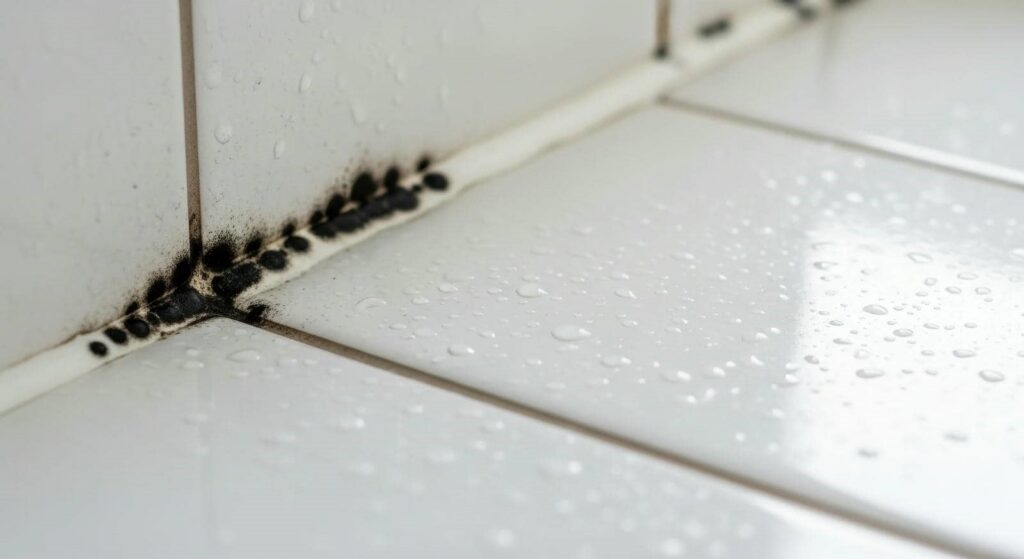
Start by employing effective mold identification techniques, such as visual inspections and odor detection. Look for discoloration on surfaces, particularly in areas with high humidity.
Utilize moisture detection methods, like moisture meters, to pinpoint hidden dampness within walls or ceilings. These tools help reveal areas where mold might thrive, even if not immediately visible.
Don’t forget to check behind appliances, under sinks, and in basements, as these locations often harbor moisture.
Document any findings carefully, noting affected materials and the severity of the growth. This assessment will guide your next steps in remediation and foster a sense of community among those facing similar challenges.
Containing the Affected Area
To effectively contain the affected area, you need to seal off the space where mold is present.
Use plastic barriers to create a controlled environment, which will help prevent spores from spreading to unaffected areas.
This step is essential for ensuring safety during the mold removal process.
Seal Off Area
Before you begin mold removal, sealing off the affected area is essential to prevent spores from spreading throughout your home.
Proper containment protects your living space and ensures better air quality and effective mold prevention.
Here’s how you can seal off the area:
- Close all windows and doors to minimize airflow.
- Use duct tape to seal any gaps around doors and vents.
- Turn off HVAC systems to avoid circulating spores.
- Cover ventilation ducts with plastic sheeting.
- Place a dehumidifier in the area to control moisture levels.
Use Plastic Barriers
Using plastic barriers is an effective way to contain the affected area during mold removal. By installing plastic sheeting around the perimeter, you create a controlled environment that minimizes the spread of mold spores.
Confirm the sheeting is securely fastened to walls and floors to prevent any gaps. This containment strategy protects other areas of your home and helps maintain an ideal atmosphere for effective mold removal.
When cutting the plastic sheeting, make sure it’s large enough to overlap at the seams, sealing them with tape.
Remember to wear appropriate personal protective equipment (PPE) while working within this space to safeguard your health. Effective containment is essential for a successful mold remediation process.
Personal Protective Equipment (PPE)
Personal Protective Equipment (PPE) is essential for anyone dealing with mold removal after water damage. Ensuring your safety is paramount, as mold spores can pose serious health risks.
Understanding PPE types and their importance will help you stay protected throughout the process. Here’s what you should wear:
- N95 Respirator: Protects against inhaling mold spores.
- Safety Goggles: Shields your eyes from irritants.
- Gloves: Prevents skin contact with mold and cleaning agents.
- Protective Clothing: Minimizes skin exposure to contaminants.
- Boots: Keeps your feet safe from moisture and mold.
Using proper PPE safeguards your health and enhances your confidence as you tackle mold removal.
Removing Contaminated Materials
Removing contaminated materials is a critical step in addressing mold issues caused by water damage. You need to identify and safely remove any items that have been affected, such as drywall, insulation, and carpeting. These materials can harbor mold spores, making effective mold disposal methods vital.
Before you begin, make certain you’re wearing proper PPE to protect yourself from exposure. Once you’ve identified the contaminated materials, seal them in plastic bags to prevent spores from spreading.
It’s important to dispose of these materials according to local regulations, as improper disposal can exacerbate the problem.
After removal, thoroughly inspect the area for any remaining mold or moisture. This proactive approach helps prevent future mold growth and fosters a healthier living environment.
Cleaning and Disinfecting Surfaces
Once you’ve cleared away contaminated materials, the next essential step is cleaning and disinfecting surfaces to eliminate any remaining mold spores and prevent future growth.
Surface sanitation is vital in this process, and your disinfectant selection can make a significant difference.
Consider these key points for effective cleaning:
- Choose a disinfectant labeled as effective against mold and mildew.
- Follow the manufacturer’s instructions for proper dilution and application.
- Use a scrub brush or cloth to ensure thorough coverage of surfaces.
- Allow the disinfectant to sit for the recommended contact time for maximum effectiveness.
- Rinse surfaces with clean water if required, especially on items that contact food or skin.
Drying and Dehumidification
Effective drying and dehumidification are essential steps in preventing mold growth after water damage. To achieve ideal moisture control, you’ll need to act quickly.
Start by removing any standing water and using fans to enhance air circulation throughout affected areas. This will help evaporate moisture from surfaces and materials.
Investing in high-capacity dehumidifiers can greatly expedite the drying process. These devices extract excess humidity from the air, creating an environment less conducive to mold development. Monitor humidity levels regularly, aiming for a range between 30-60%.
Ensure that air can flow freely by moving furniture and lifting carpets, allowing for thorough drying. If conditions permit, open windows to facilitate cross-ventilation.
Monitoring for Future Mold Growth
While you’ve taken steps to mitigate mold growth after water damage, ongoing monitoring is essential to ensure that any potential issues are addressed promptly.
Implementing effective mold detection methods will help you stay ahead of future problems.
Consider these preventive measures to maintain a mold-free environment:
- Regularly inspect areas prone to moisture, like basements and bathrooms.
- Use moisture meters to detect hidden dampness in walls and ceilings.
- Install dehumidifiers to maintain ideal humidity levels.
- Keep an eye out for any musty odors, which can indicate mold presence.
- Schedule professional inspections periodically to catch hidden mold early.
Frequently Asked Questions
Can I Remove Mold Myself or Should I Hire a Professional?
You can tackle mold removal yourself using DIY methods for small areas, but hiring professional services is safer for extensive infestations. They have the expertise and equipment to ensure effective and thorough mold remediation.
What Are the Health Risks Associated With Mold Exposure?
Mold exposure can lead to various health risks, including mold symptoms like respiratory issues, allergic reactions, and asthma exacerbations. If you experience these symptoms, it’s essential to address mold promptly to protect your health.
How Can I Prevent Mold After Water Damage?
An ounce of prevention’s worth a pound of cure. To prevent mold after water damage, focus on moisture control. Implement preventive measures like dehumidifiers, proper ventilation, and immediate repairs to keep your environment safe and healthy.
Is Mold Removal Covered by Homeowners Insurance?
Mold removal might be covered by your homeowners insurance, but it often depends on specific coverage limits. Review your policy details to understand what’s included, as some insurers exclude mold damage caused by neglect.
How Long Does It Take for Mold to Grow After Water Exposure?
Mold can start growing within 24 to 48 hours after water exposure, influenced by factors like humidity and temperature. Understanding this mold growth timeline helps you act quickly to prevent extensive damage and health risks.
Review
Effectively tackling mold removal after water damage requires a systematic approach. By evaluating mold growth, containing affected areas, and using proper PPE, you can greatly reduce risks. Removing contaminated materials and cleaning surfaces with appropriate disinfectants ensures a healthier environment. Finally, drying and dehumidifying the space eliminates moisture and helps prevent future infestations. Regular monitoring is vital to safeguard against recurring mold issues, making it an important aspect of your mold management strategy.
Recent Posts
How Property Damage Restoration Companies Assess Damage
Before a restoration crew starts work, property damage restoration begins with evaluating hidden hazards, not
Cost of Property Damage Restoration Services Explained
When you face property damage, the restoration cost can shift fast depending on the damage
Property Damage Restoration Insurance Claims Guide for Homeowners
After property damage, property damage restoration insurance claims require you to move quickly, document everything,