
Contents
If you find yourself experiencing basement flooding, it’s essential to act quickly and effectively. From efficient water removal techniques to mold prevention strategies, there are affordable solutions that can help restore your space. Let’s explore practical steps you can take to recover from a flood and safeguard your basement against future issues.
Key Takeaways
- Use buckets and garden hoses to manually remove standing water for cost-effective flood recovery.
- Invest in affordable dehumidifiers to reduce humidity and prevent mold growth in the basement.
- Utilize heavy-duty trash bags for disposing of damaged materials to streamline cleanup efforts.
- Repair minor structural damage with quality sealants and materials to ensure long-lasting results.
- Regularly maintain gutters and drainage systems to prevent future flooding issues at a low cost.
Assessing the Damage and Safety Precautions
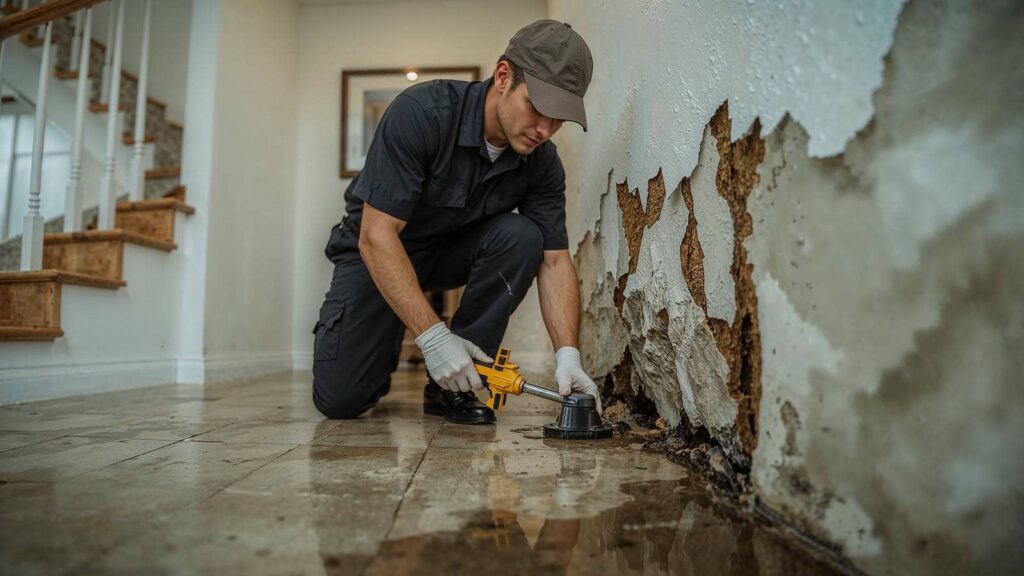
Before you plunge into the recovery process, it’s vital to assess the damage in your basement and take necessary safety precautions. Start by turning off the electricity to prevent any hazards. Wear rubber boots and gloves to protect yourself from contaminants. Next, check for structural damage, like cracks in the walls or sagging ceilings, which might indicate serious issues. Look for the water level and note how far it’s risen, as this can help determine the extent of the flooding.
Don’t forget to inspect your belongings as well. Water-damaged items can harbor mold, so separate salvageable items from the rest. If you notice any mold growth, it’s imperative to address it promptly. Documenting the damage with photos can also be helpful for insurance claims. Taking these precautions ensures you’re safe and prepared to tackle the recovery process effectively.
DIY Water Removal Techniques
Once you’ve assessed the damage and confirmed safety, it’s time to tackle the water removal process. Start by using buckets to manually scoop out smaller amounts of standing water. This method is effective for limited flooding and gives you control over the situation. If your basement has a significant amount of water, consider using a garden hose to siphon the water out. Just verify the hose is long enough to reach a suitable drainage area outside.
For damp areas, use towels or mops to soak up excess moisture. Don’t forget to ventilate the space; open windows and doors to encourage airflow. Fans can help speed up the drying process, too. If you have access to portable dehumidifiers, set them up to remove lingering moisture from the air. Remember, the sooner you act, the better your chances of minimizing damage and preventing mold growth.
Utilizing Wet/Dry Vacuums
When it comes to recovering from a basement flood, using a wet/dry vacuum can make a big difference. You need to choose the right vacuum for your situation, master the proper usage techniques, and keep maintenance and storage in mind. Let’s explore how to effectively tackle your cleanup with this versatile tool.
Choosing the Right Vacuum
How do you choose the right vacuum for your basement flood recovery? Start by considering the vacuum’s capacity. For larger floods, opt for a model with a bigger tank to minimize emptying time. Look for a unit with a powerful motor; higher suction will speed up water removal. Don’t forget about filtration; a vacuum with a HEPA filter can help trap mold spores and improve air quality as you clean. Portability matters too—wheeled models are easier to maneuver around your basement’s obstacles. Finally, think about attachments; having a range of nozzles can make it easier to access tight spots and corners. With these factors in mind, you’ll find the perfect wet/dry vacuum for your recovery efforts.
Proper Usage Techniques
After choosing the right wet/dry vacuum, it’s important to understand how to use it effectively for your basement flood recovery. Here are some practical techniques to get the best results:
- Prepare the Area: Clear any debris or furniture to ensure you can access all flooded areas without obstruction.
- Set Up the Vacuum: Position the vacuum close to the water source, and ensure it’s plugged in and ready to go. Use an extension cord if necessary, but avoid overloading circuits.
- Vacuum Strategically: Start from the farthest point and work your way toward the exit. This prevents you from walking through water you’ve already vacuumed.
Maintenance and Storage Tips
To keep your wet/dry vacuum in top condition, regular maintenance and proper storage are essential. After each use, empty the tank and rinse it out to prevent odors and mold. Check the filter regularly; clean or replace it as needed to ensure peak performance. Don’t forget to inspect hoses and attachments for any signs of wear or damage.
When it’s time to store your vacuum, make certain it’s completely dry to avoid rust and mildew. Keep it in a cool, dry place, and avoid stacking heavy items on top of it. By following these simple maintenance and storage tips, you’ll extend the life of your wet/dry vacuum and make sure it’s always ready when you need it most.
Implementing Dehumidifiers
While dealing with basement flood recovery can feel overwhelming, implementing dehumidifiers is a practical and effective way to combat excess moisture. These devices help reduce humidity levels, preventing mold growth and protecting your belongings. Here are three key benefits of using dehumidifiers:
Prevents Mold and Mildew: By lowering humidity, dehumidifiers create an environment where mold and mildew can’t thrive, safeguarding your health and property.
Improves Air Quality: Less moisture in the air means improved air quality, making your basement a more comfortable and healthier space to spend time in.
Protects Your Belongings: Dehumidifiers help preserve your furniture, electronics, and other stored items, preventing damage caused by damp conditions.
Investing in a good dehumidifier is a straightforward step toward ensuring your basement remains dry and usable long after the floodwaters recede.
Creating Airflow With Fans
Creating airflow with fans is another vital step in your basement flood recovery process. Proper airflow helps to evaporate moisture and prevent mold growth, which can be a significant issue after flooding. Start by positioning several fans around the area to circulate air effectively. Aim to set them up to blow air toward any damp spots, pushing moisture away. If possible, open windows or doors to create cross-ventilation; this allows fresh air to flow in while pushing the damp air out.
You can use box fans, oscillating fans, or even high-velocity fans for better results. Run them for several hours a day until the space is thoroughly dry. Check on the progress regularly. This approach speeds up drying and helps eliminate musty odors. Remember, getting the air moving is vital to a successful recovery and safeguarding your basement against future issues.
Using Absorbent Materials
As you tackle the aftermath of a basement flood, using absorbent materials can greatly enhance your recovery efforts. These materials help soak up excess water and minimize damage to your belongings. Here are three effective options to take into account:
Mops and Towels: Keep a stash of old towels and mops handy. They’re perfect for quickly absorbing water and can be wrung out and reused multiple times.
Sponges: Large, heavy-duty sponges can soak up water in hard-to-reach corners. Their flexibility makes them ideal for squeezing into tight spaces.
Absorbent Mats: Invest in specially designed absorbent mats that can capture significant amounts of moisture. Place them strategically in areas prone to flooding.
Mold Prevention Strategies
To keep mold at bay in your basement, regular inspections and maintenance are key. You’ll want to check for leaks and damp spots, as well as ensure proper ventilation techniques are in place to promote airflow. By staying proactive, you can greatly reduce the risk of mold growth and protect your home.
Regular Inspections and Maintenance
While basement flooding can be a challenging issue, regular inspections and maintenance are your best defenses against mold growth. By staying proactive, you can keep your basement dry and mold-free. Here are three essential strategies:
Check for Leaks: Regularly inspect plumbing and foundation walls for any signs of leaks. Addressing issues early can prevent larger problems down the line.
Monitor Humidity Levels: Keep an eye on humidity levels in your basement. Use a hygrometer to ensure they stay below 60% to discourage mold growth.
Clean Gutters and Downspouts: Verify gutters and downspouts are clear and directing water away from your foundation. This simple maintenance can greatly reduce the risk of flooding.
Stay vigilant, and your basement will remain a safe space!
Proper Ventilation Techniques
Ensuring proper ventilation in your basement is essential for preventing mold growth, especially in humid environments. Start by installing vents or windows to promote airflow. If you don’t have those, consider using exhaust fans to remove stale air. Dehumidifiers are another smart choice; they help maintain ideal humidity levels, ideally between 30-60%.
Make it a habit to open windows on dry days to let fresh air circulate, and don’t forget to check for any obstructions in your vents. Regularly inspect your basement for any signs of moisture, and address leaks immediately to avoid mold development. By implementing these simple ventilation techniques, you’ll create a healthier space and protect your home from mold-related issues.
Repairing Structural Damage
When floodwaters invade your basement, the structural integrity of your home can be compromised, making it vital to address damage promptly. Here are three key steps you should take to repair structural damage effectively:
Assess the Damage: Begin by carefully inspecting your basement for cracks, bowing walls, or weakened foundations. Document everything for insurance purposes.
Consult a Professional: Don’t hesitate to reach out to a structural engineer or contractor. They can provide expert advice on what repairs are necessary and how to ensure your home remains safe.
Implement Repairs: Depending on the severity, you might need to seal cracks, install support beams, or even underpin your foundation. Use quality materials to ensure long-lasting repairs.
Affordable Cleanup Products
When recovering from a basement flood, having the right cleanup products makes all the difference. You’ll want to stock up on essential cleaning supplies, find cost-effective dehumidifiers, and consider mold prevention solutions to keep your space safe. Let’s explore how these affordable options can help you get back on track quickly.
Essential Cleaning Supplies
While recovering from a basement flood can be overwhelming, having the right cleaning supplies on hand makes the process much easier. You’ll want to stock up on a few essential items to ensure a thorough cleanup. Here are three must-have supplies:
- Heavy-duty trash bags: These are vital for disposing of water-damaged materials safely and efficiently.
- Mold and mildew remover: This will help eliminate any potential growth in damp areas, reducing health risks.
- Broom and mop: Essential for sweeping up debris and scrubbing floors after the water has receded.
With these supplies, you’ll be better equipped to tackle the mess and restore your basement to its former state. Remember, being prepared makes all the difference!
Cost-Effective Dehumidifiers
After you’ve tackled the initial cleanup with your essential supplies, addressing lingering moisture is the next step in your basement flood recovery. Cost-effective dehumidifiers can make all the difference in reducing humidity levels and preventing further damage. Look for models that efficiently remove moisture without breaking the bank. Portable dehumidifiers are great for smaller spaces, while larger units suit bigger areas. Be sure to check the capacity and energy efficiency ratings to save on electricity costs. Regularly empty the water tank, or consider units with drainage options for added convenience. By investing in a reliable dehumidifier, you’ll create a drier environment, making your basement more comfortable and protecting it from future issues.
Mold Prevention Solutions
To effectively prevent mold from taking hold in your basement, using affordable cleanup products is essential. These solutions can help you maintain a dry and healthy environment. Here are three affordable options to evaluate:
Vinegar: This natural disinfectant kills mold spores and helps to prevent regrowth. Spray it on affected areas and wipe clean.
Baking Soda: Mix it with water to create a paste that can scrub mold away. It’s gentle yet effective on surfaces.
Hydrogen Peroxide: With its antifungal properties, it can effectively eliminate mold when applied directly to the infected areas.
Incorporating these products into your cleaning routine can considerably reduce mold risks, ensuring your basement remains safe and dry.
Long-Term Flood Prevention Measures
When it comes to safeguarding your basement from future floods, implementing long-term prevention measures is essential for protecting your home and peace of mind. Start by ensuring proper drainage around your property. Installing gutters and downspouts directs water away from your foundation. Regularly inspect and clean these to prevent blockages.
Next, consider investing in a sump pump. This device can remove excess water, especially during heavy rainstorms. Additionally, waterproofing your basement walls can create a barrier against moisture intrusion. Use sealants designed for basements, and repair any cracks immediately.
You might also want to landscape strategically. Sloping your yard away from the foundation helps divert water. Finally, check your home’s grading and adjust if needed to keep water from pooling. By taking these proactive steps, you’ll greatly reduce the risk of future flooding and protect your basement for years to come.
Review
In the end, recovering from a basement flood doesn’t have to break the bank. With a little elbow grease and the right tools, you can turn your damp disaster into a dry sanctuary. Picture your basement transformed from a soggy mess into a cozy retreat, all while saving money. By implementing these affordable solutions and preventive measures, you’re not just cleaning up—you’re safeguarding your home against future floods, ensuring peace of mind for years.
Recent Posts
How Property Damage Restoration Companies Assess Damage
Before a restoration crew starts work, property damage restoration begins with evaluating hidden hazards, not
Cost of Property Damage Restoration Services Explained
When you face property damage, the restoration cost can shift fast depending on the damage
Property Damage Restoration Insurance Claims Guide for Homeowners
After property damage, property damage restoration insurance claims require you to move quickly, document everything,