
Contents
When your roof leaks, water doesn’t stay where it enters. It can travel along framing, soak insulation, and collect inside walls before you notice the source. That hidden moisture can weaken materials, stain ceilings, trigger mold, and raise repair costs fast. The real damage often starts long before you see a drip, and the next signs can tell you how far it’s spread.
Key Takeaways
- Roof leaks let water spread beyond the entry point into insulation, decking, framing, and wall cavities.
- Hidden moisture can travel by gravity, capillary action, and airflow, causing damage far from the original leak.
- Wet insulation, wood, and drywall lose performance, swell, delaminate, and may sag or crumble.
- Signs of spreading damage include stains, musty odors, bubbling paint, wet attic materials, and mold growth.
- Quick professional repair stops the source, dries affected areas, and limits structural damage and repair costs.
How Roof Leaks Cause Water Damage
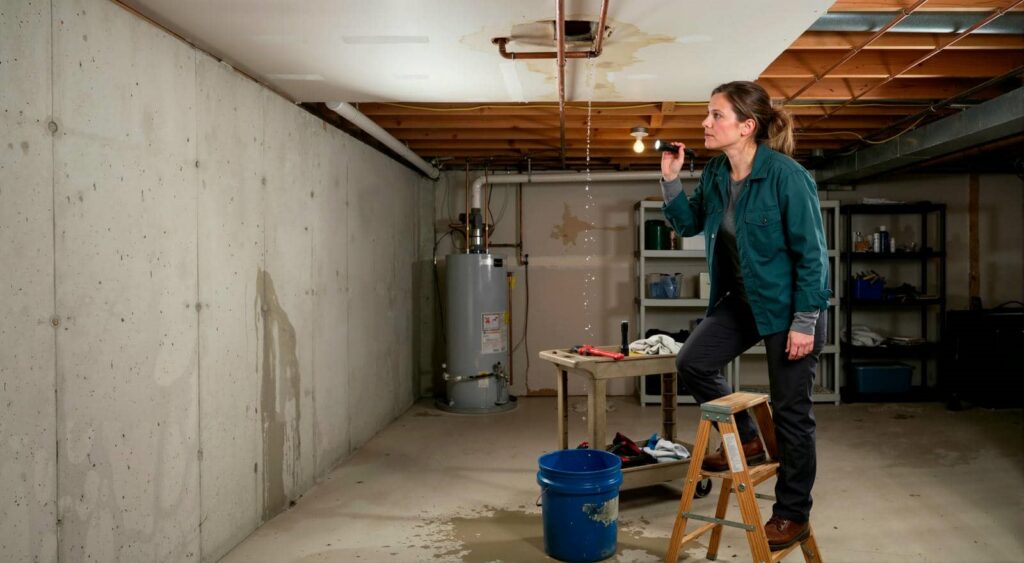
When a roof leaks, water doesn’t just stay near the entry point; it spreads through insulation, roof decking, framing, and wall cavities, often causing damage far from the original opening.
You may see the source as a missing shingle or failed flashing, but the real problem is hidden migration. Gravity, capillary action, and air movement pull moisture into materials that hold it, slow drying, and weaken structure.
Wet insulation loses performance, wood swells, and drywall can delaminate. You need the water damage from roof leaks repair process to stop the spread, remove saturated materials, dry the assembly, and restore the barrier system.
When you address the leak quickly, you protect your home, reduce repair costs, and keep your house safe for everyone living there.
Signs a Roof Leak Is Spreading
Once water gets past the roof surface, the damage often shows up in more than one place. You may see a growing stain, musty odor, or damp insulation material.
Check the attic after rainfall; if you spot wet sheathing, darkened rafters, or dripping at fasteners, the leak’s active. Outside, you might notice missing shingles, lifted flashing, or clogged valleys that keep channeling water inward.
Inside, paint can bubble, trim can swell, and small spots can widen after each storm. If the area feels humid or you see mold growth near the source, water’s moving farther than before.
Acting fast helps you stay in control and protects your home’s structure.
How A Roof Leak Damages Ceilings, Walls, And Insulation
As water passes through the roof system, it soaks ceiling materials first, then migrates into wall cavities and insulation.
You’ll often see drywall stain, sag, or soften as it absorbs moisture and loses strength. Paint can blister, seams can open, and ceiling texture may crumble.
When water reaches walls, it travels along framing and behind finishes, spreading damage beyond the visible spot.
Insulation then holds moisture, reducing its thermal value and keeping surrounding materials damp longer.
That trapped moisture can also warp trim, stain surfaces, and create musty odors.
You’re not dealing with a surface issue; you’re dealing with a hidden moisture path that can affect multiple parts of your home.
The sooner you recognize that pattern, the better you can protect your space and your people.
5 Roof Leak Repair Steps Pros Use
Before repairs begin, pros first stop the water source, then assess how far the moisture has spread. You’ll see them trace the leak path from shingles, flashing, vents, and fasteners to find the exact failure point.
Next, they remove damaged roofing materials and any wet underlayment so the deck can dry and hold a solid patch. They then dry the area with targeted airflow and replace compromised sheathing, insulation, or interior finishes as needed.
After that, they install new flashing, seal joints, and match replacement shingles for a tight, weather-ready repair. Finally, they inspect the work, test vulnerable spots, and confirm runoff moves cleanly.
When you follow this process, you protect your home and stay part of the crew that keeps water out.
When To Call A Water Damage Specialist
Call a water damage specialist when a roof leak has already soaked insulation, drywall, ceilings, or framing, or when you can’t locate and stop the source quickly.
You need fast, measured action to protect your home and your crew-like support network. A specialist can inspect hidden moisture, map damage, and start drying before mold grows.
- Water stains spread after the rain stops.
- Materials feel soft, swollen, or sagging.
- You smell musty air in rooms or closets.
- Electrical fixtures, trim, or vents show moisture.
If you see any of these, call sooner rather than later.
Professional extraction, dehumidification, and repairs help you regain control, limit costs, and keep your home safe, dry, and welcoming again.
Frequently Asked Questions
How Long Can a Roof Leak Go Unnoticed?
You might miss a roof leak for weeks or months, sometimes longer, if it’s slow and hidden. You’ll often notice stains, odors, or mold only after damage has already spread in your home.
Can Roof Leaks Cause Mold in Hidden Areas?
Yes, you can get hidden mold from roof leaks. Moisture seeps behind walls and under insulation, feeding colonies in dark cavities. You’ll need inspection, drying, removal, and repair to stop damage fast.
Will Insurance Cover Roof Leak Water Damage?
Usually, yes—if you’ve maintained the roof and the leak came from a covered peril. You’ll need prompt documentation, mitigation, and an adjuster review. Neglect, wear, or flooding exclusions can reduce or deny coverage.
How Can I Prevent Future Roof Leaks?
You can prevent future roof leaks by inspecting shingles, sealing flashing, clearing gutters, and trimming branches. You’ll catch weak points early, protect your home, and stay confident with regular maintenance and prompt repairs.
Are Roof Leak Repairs Always Temporary?
No, you don’t always get temporary fixes. You can make a lasting repair if you replace damaged materials, seal flashing, and address underlying causes. Temporary patches help you stop leaks fast, then buy time for proper restoration.
Review
A roof leak can spread like a drip of ink on blotting paper, quietly damaging more than the spot you see. If you catch stains, odors, or warped drywall early, you can limit harm to ceilings, walls, and insulation. Act fast, dry the area, and repair the source before moisture moves into framing and cavities. If the damage keeps spreading, you’ll need a water damage specialist to stop hidden rot and mold.
Recent Posts
How Property Damage Restoration Companies Assess Damage
Before a restoration crew starts work, property damage restoration begins with evaluating hidden hazards, not
Cost of Property Damage Restoration Services Explained
When you face property damage, the restoration cost can shift fast depending on the damage
Property Damage Restoration Insurance Claims Guide for Homeowners
After property damage, property damage restoration insurance claims require you to move quickly, document everything,