
Contents
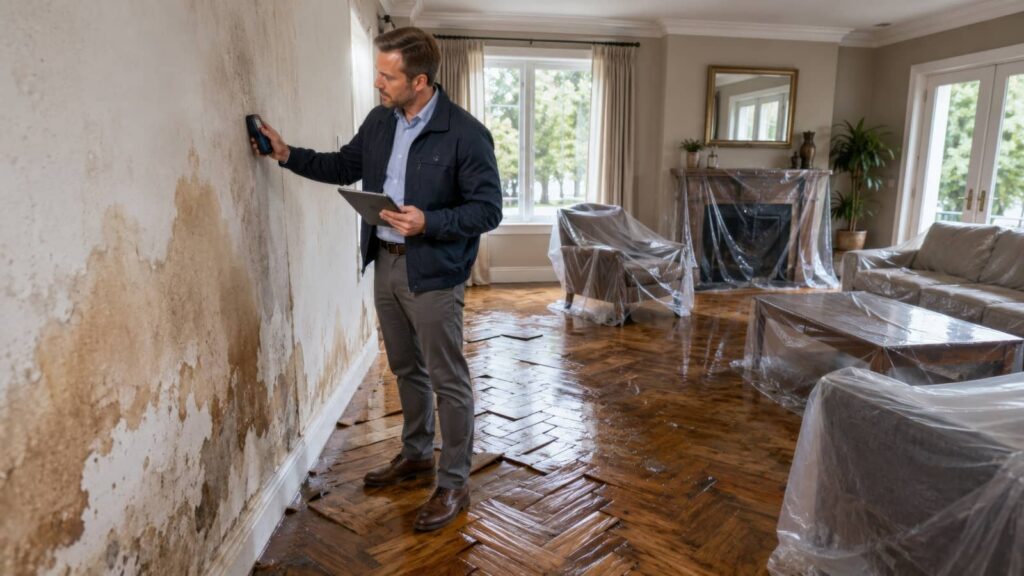
Mud lines on the wall and soaked floors tell you the water moved fast, and you need to act faster. In the first 24 hours, you should protect yourself, shut off power if it’s safe, document every loss, and start removing water before mold takes hold. You can handle some Flood Damage Cleanup yourself, including basic cleaning and disinfection, but some conditions call for a restoration pro, and knowing when can change everything.
Key Takeaways
- Act within 24 hours: document damage, contact your insurer, and start drying to reduce mold and structural damage.
- Prioritize safety: wear protective gear, keep children and pets away, and shut off power only if it is safe.
- Remove standing water quickly using pumps or wet vacs, then use fans and dehumidifiers to lower humidity.
- Clean and disinfect affected surfaces, and discard contaminated porous items like rugs, cardboard, and soaked insulation.
- Consider restoration professionals for moisture testing and drying, while tracking damage and recovery progress for insurance.
What to Do in the First 24 Hours
In the first 24 hours after flooding, you need to act fast to limit mold growth and structural damage. Start flood damage cleanup by documenting rooms with photos, then contact your insurer and a qualified restoration company.
Open windows if weather allows, and run fans and dehumidifiers to lower humidity. Remove wet rugs, cardboard, and porous items that can’t be salvaged. Lift furniture on blocks to reduce wicking, and separate damp belongings so air can circulate.
Check walls, floors, and cabinets for swelling, buckling, or soft spots, and mark affected areas for later repair. Keep family members informed so everyone stays coordinated and confident.
Acting now helps your home dry faster, protects your investment, and gets your household back on track.
How to Stay Safe During Flood Cleanup
Before you begin flood cleanup, protect yourself from hidden hazards such as contaminated water, electrical shock, sharp debris, and weakened materials.
Wear waterproof boots, gloves, long sleeves, eye protection, and a well-fitting respirator if you find mold or dust. Shut off power only if you can reach the panel safely; otherwise, wait for a qualified electrician.
Keep children and pets out, and work with a partner so someone can get help if you’re hurt. Open windows when weather allows to improve ventilation.
Lift cautiously, use proper tools, and discard damaged items with care. If you smell gas, hear cracking, or see sagging floors, leave immediately.
You’re not alone in this—steady, careful steps help you clean safely.
How to Document Flood Damage for Insurance
You should photograph all flood damage before you move or discard anything, capturing wide shots and close-ups with clear timestamps if possible.
Then inventory each lost or damaged item, noting the item name, approximate value, condition, and any model or serial numbers.
This record will help you support your insurance claim and speed up the adjustment process.
Photograph All Damage
As soon as it’s safe to reenter, photograph every area and item affected by floodwater so you have a clear record for your insurance claim. Use your phone or camera in bright light, and capture wide shots first to show each room’s overall condition.
Then move closer for damaged walls, flooring, outlets, appliances, and personal items. Include water lines, mud residue, warped materials, and any visible mold growth. Keep the date and time stamped if possible, and don’t move items before you document them unless they’re a safety risk.
Take duplicate angles, especially near thresholds, cabinets, and mechanical systems. Save files in more than one place, such as cloud storage and an external drive, so your records stay secure and your claim moves forward smoothly with confidence.
Inventory Lost Items
Next, create a detailed inventory of every item the flood damaged, lost, or had to be discarded so your insurance claim is accurate and complete.
List each item’s room, brand, model, age, purchase price, and approximate replacement cost. Note visible damage, waterline height, and whether you’ve cleaned or removed it.
Keep receipts, manuals, and warranty records together with your photos. If you can’t access an item, estimate its value from bank statements, online orders, or credit card history.
Separate salvageable items from total losses so the adjuster can review them quickly. Use a spreadsheet or notebook, and update it as you sort your home.
This careful record helps you stay organized, protect your claim, and move forward with your neighbors beside you.
Remove Flood Water and Dry Out Fast
Standing water needs to come out immediately, because every hour of delay raises the risk of mold growth and structural damage. You should shut off electricity if water’s near outlets, then use a sump pump, wet vac, or submersible pump to remove it fast.
Open windows only if outdoor air is drier, and run fans plus dehumidifiers to speed evaporation. Pull up soaked rugs, furniture cushions, and movable items so air can reach the floor. Keep doors between rooms open for circulation, but close off damp areas if you’re focusing airflow there.
Check hidden spaces like baseboards, closets, and under cabinets, since moisture lingers there. Your cleanup crew isn’t just fixing damage; you’re helping your home recover safely, one dry surface at a time.
Clean and Disinfect to Prevent Mold
You should remove any contaminated materials that can’t be fully cleaned, since porous items can hold mold and bacteria.
Then disinfect all remaining surfaces with an appropriate cleaner, making sure you cover seams, corners, and hidden areas.
After that, dry the space quickly with ventilation, fans, and dehumidifiers to limit mold growth.
Remove Contaminated Materials
Start by removing any materials that floodwater has contaminated, since porous items can trap moisture, bacteria, and contaminants that lead to mold growth. You’ll protect your home faster when you sort items with a clear plan:
- Pull out soaked drywall, insulation, carpeting, and padding.
- Bag small debris, then seal and move it out quickly.
- Separate salvageable items from items you can’t safely dry.
- Wear gloves, boots, and a mask while you work.
If an item held sewage, chemicals, or sat wet too long, don’t keep it. Your goal is to reduce hidden moisture and give your space a clean reset.
When you remove contaminated materials promptly, you join the group of homeowners who stop mold before it spreads.
Disinfect Surfaces Thoroughly
Once you’ve cleared out contaminated materials, clean every remaining surface with detergent and water to remove dirt, silt, and residue.
Then disinfect hard surfaces with a flood-safe sanitizer or a diluted bleach solution mixed to label directions. You’ll protect your home best by treating countertops, shelves, doors, trim, and fixtures that stayed wet or were touched by floodwater.
Wear gloves and eye protection, ventilate the area, and never mix bleach with ammonia or other cleaners. Keep the surface visibly wet for the full contact time so the disinfectant can work.
Rinse food-contact areas after sanitizing, and change cloths often to avoid spreading contamination.
When you clean this way, you’re not just restoring rooms—you’re helping your household return with confidence, together, on solid ground.
Dry Areas Quickly
Dry wet areas fast to limit mold growth and hidden structural damage.
After you disinfect, keep air moving and moisture dropping so your home can recover with the rest of your neighborhood. Use fans, dehumidifiers, and open windows if outdoor air is dry.
Remove soaked rugs, baseboards, and insulation so hidden pockets don’t keep feeding mold. Check walls, floors, and cabinets for dampness with a moisture meter or your hand.
- Set up airflow across every affected room.
- Empty wet materials that can’t dry within 24 to 48 hours.
- Wipe surfaces until they’re clean, then disinfect again if needed.
- Monitor humidity and keep it under 60%.
Act quickly, stay consistent, and you’ll protect your home and your peace of mind.
Signs You Need a Flood Restoration Pro
How can you tell when flood cleanup is beyond a DIY fix? If water soaked drywall, insulation, or subflooring, you need a pro.
If you smell a musty odor, see peeling paint, warped floors, or discoloration, hidden moisture may already be feeding mold.
If the flood involved sewage, chemicals, or contaminated river water, don’t handle it yourself.
If electrical systems, HVAC ducts, or structural framing got wet, a certified crew can test, dry, and sanitize safely.
If standing water lingers after 24 hours, or your humidity stays high, the damage can spread fast.
A restoration pro brings moisture meters, air movers, dehumidifiers, and documentation that helps you recover with confidence.
You don’t have to manage this alone; the right team helps protect your home and your peace of mind.
Frequently Asked Questions
How Do I Tell if Floodwater Contaminated My Belongings?
You can’t always tell by sight alone. If floodwater touched porous items, sewage, chemicals, or storm runoff likely contaminated them. You should discard food, cosmetics, and absorbent belongings, then sanitize hard, nonporous items carefully.
What Items Should Be Discarded After Flood Exposure?
Discard porous items, discard heavily soaked insulation, discard ruined mattresses, and discard contaminated food or medicine. You should also toss electronics and anything that held sewage, because you’ll protect your home and your household.
How Can I Prevent Mold Growth in Hidden Wall Cavities?
You can prevent mold by opening wall cavities, removing wet insulation, drying studs with dehumidifiers and air movers, and monitoring moisture until levels drop. If hidden areas stay damp, you’ll need professional inspection and remediation.
Will My Insurance Cover Temporary Housing After Flooding?
Usually, yes—if you’ve got flood or loss-of-use coverage. Don’t assume it’s automatic; check your policy limits, deductibles, and FEMA rules. You can keep your family housed while adjusters document damage and restoration starts.
How Long Does Flood Damage Cleanup Usually Take?
You’ll usually need a few days to several weeks, depending on water depth, materials, and mold risk. You should start immediately, because quick drying and removal prevent further damage and help you recover faster.
Final Thoughts
In the wake of a flood, you’re not just cleaning a house—you’re rebuilding the light inside it. Act fast, stay safe, and document every detail so you have a clear path forward. Remove water, dry the space, and disinfect with care to block mold before it takes root. If the damage feels too heavy, bring in a restoration pro. With each steady step, you turn flood wreckage into recovery and reclaim your home.
Recent Posts
How Property Damage Restoration Companies Assess Damage
Before a restoration crew starts work, property damage restoration begins with evaluating hidden hazards, not
Cost of Property Damage Restoration Services Explained
When you face property damage, the restoration cost can shift fast depending on the damage
Property Damage Restoration Insurance Claims Guide for Homeowners
After property damage, property damage restoration insurance claims require you to move quickly, document everything,