
Contents
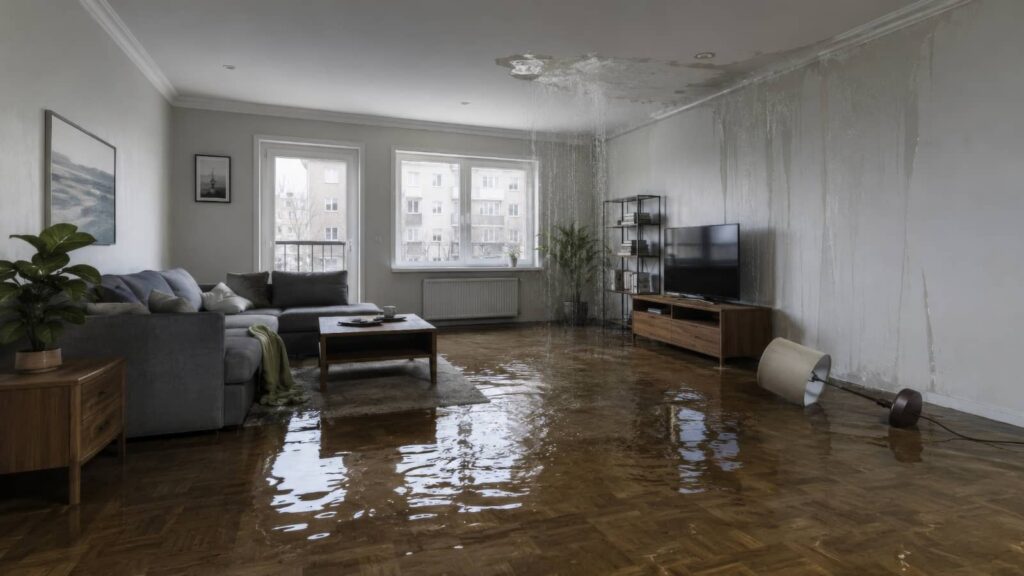
When water comes roaring in, what do you do first? You assess safety, document the damage, and start extracting standing water right away. Then you dry walls, floors, and carpets, remove wet materials before mold can spread, and clean and disinfect every flooded surface. Even hidden moisture can linger, so you’ll want to check behind finishes and plan prevention steps that can protect your property next time with Flood Damage Cleanup.
Key Takeaways
- Ensure safety first: shut off electricity if safe, avoid standing water, and document damage for insurance.
- Remove water quickly using pumps or wet vacs, then dry with air movers and dehumidifiers.
- Remove soaked materials like carpet padding and damaged drywall to prevent hidden moisture and mold.
- Clean and disinfect hard surfaces with proper products, keeping the area ventilated and wearing protective gear.
- Prevent future flooding by improving grading, gutters, foundation sealing, sump pumps, and backup power.
What to Do First After Flood Damage
Act quickly after flood damage to limit further harm. First, make sure the area’s safe: shut off electricity if you can do so without risk, and keep out of standing water until a qualified professional checks it.
Document visible damage with photos and notes for your insurer. Remove wet rugs, papers, and portable items that you can lift safely, then open windows if weather allows to improve airflow.
During flood damage cleanup after heavy rain, sort affected belongings by what you can salvage and what must be discarded. Wear gloves, boots, and a mask to reduce exposure to contaminants.
Stay connected with your family, neighbors, and restoration team; you’re not handling this alone. Clear communication helps everyone move forward with confidence and control.
Start Water Extraction Right Away
You should start water extraction right away to remove standing water before it spreads into walls, flooring, and insulation.
Quick removal helps stop secondary damage like mold growth, material swelling, and electrical hazards.
Professionals use high-capacity pumps and extractors to clear water fast and set up controlled drying conditions.
Immediate Water Removal
As soon as the floodwater is safe to approach, start water extraction right away to limit absorption into floors, walls, and contents.
You should use a submersible pump for deep standing water, then switch to a wet vacuum for thinner layers and residue. Work in overlapping passes so you don’t miss low spots, seams, or edges where water collects. Move from the highest remaining area toward the exit path, keeping hoses clear and discharge controlled.
Wear boots, gloves, and eye protection, and keep electrical equipment outside the wet zone. If you’re managing a larger loss, coordinate with your cleanup team so everyone works in the same direction and avoids reintroducing water.
Fast removal helps you regain control, protect your space, and begin the recovery process with confidence and clarity.
Stop Secondary Damage
Stopping secondary damage starts the moment the water’s out of the way, because every minute of delay increases the risk of swelling, staining, microbial growth, and structural deterioration.
You need to clear wet materials from the floor, lift belongings off damp surfaces, and open pathways so moisture can leave the space.
Then you should check trim, drywall, baseboards, and flooring for early distortion, since trapped water keeps spreading damage behind finished surfaces.
Keep indoor humidity low by using steady airflow and removing saturated contents that can’t dry quickly.
Act fast, stay organized, and document what you see so you and your cleanup team can make consistent decisions.
When you respond this way, you protect the structure, preserve more materials, and regain control with confidence together.
Use Professional Equipment
Professional water extraction should begin immediately with truck-mounted or commercial-grade pumps, extractors, and weighted wands to remove standing water before it drives deeper into subfloors, insulation, and wall cavities.
You need this speed because every minute increases saturation, swelling, and microbial risk. Skilled crews place suction points strategically, then monitor moisture so they can pull water evenly without damaging materials.
They’ll also use air movers and dehumidifiers to support faster drying once extraction ends. When you work with the right equipment, you’re not guessing; you’re following a proven process that protects your structure and belongings.
You’re not alone in this—trained professionals guide each step, explain what’s happening, and help you regain control with confidence, precision, and care.
Dry Walls, Floors, and Carpets
After extraction, you need to dry walls, floors, and carpets quickly to prevent further damage and mold growth.
Position high-velocity air movers to push air across wet surfaces, and run dehumidifiers to pull moisture from the space. Keep HVAC off until humidity stabilizes, unless a technician confirms it’s safe to use.
Check baseboards, drywall, and carpet padding for remaining dampness with a moisture meter, then continue drying until readings return to normal. Open interior doors to improve airflow and create even circulation through each room.
You’re not alone in this step; a coordinated drying plan helps protect your home and your family’s comfort.
Monitor progress every few hours, adjust equipment as needed, and document conditions so you can verify the area’s drying is complete.
Remove Wet Materials Before Mold Spreads
Once surfaces are dry enough to work safely, you should remove soaked materials that can’t be fully restored, such as saturated carpet padding, warped drywall, and swollen insulation. This step limits mold growth and helps your space recover with less hidden damage.
Wear protective gear, cut materials into manageable sections, and seal debris in heavy-duty bags before moving it out.
- Pull up carpet padding first, since it traps moisture.
- Cut out damaged drywall only to the point where it stays firm.
- Remove insulation that feels heavy, clumped, or collapsed.
Work methodically so you don’t disturb clean areas. If you’re part of a cleanup team, keep each person on one task, and check for lingering dampness as you go.
You’re protecting your home and helping everyone in it breathe easier.
Clean and Disinfect Flooded Surfaces
With the damaged materials gone, you can clean hard surfaces with warm water and a detergent to remove dirt and residue. Then disinfect them with a product labeled for flood cleanup.
Follow the label’s contact time so the disinfectant can work effectively, and keep the area well ventilated while you clean. Wear gloves, boots, and eye protection to reduce exposure to contaminated water and cleaning chemicals.
Rinse surfaces only if the product instructions require it. Dry each surface thoroughly afterward, because lingering moisture can support microbial growth.
Focus on nonporous materials such as tile, metal, and sealed wood, and inspect cracks, seams, and corners closely. If you stay methodical, you’ll restore a safer space and help your home feel secure again.
DIY Flood Damage Cleanup Steps
Now that the surfaces are clean and disinfected, you can move into the hands-on cleanup process with a clear plan. You’re not alone here; many homeowners tackle these steps safely and effectively. Focus on speed, control, and steady progress.
- Shut off power to affected areas before you enter, and wear boots, gloves, and eye protection.
- Remove wet rugs, furniture, and debris, then bag smaller items to keep pathways clear.
- Use fans, dehumidifiers, and open windows when weather allows to move air and reduce standing dampness.
Work methodically from one room to the next, and keep your tools organized so you don’t miss anything.
If water soaked porous materials, set them aside for professional evaluation. Your calm, disciplined approach helps protect your home and supports a faster recovery.
Check for Hidden Moisture and Mold
Even after visible water is gone, you still need to check for hidden moisture in wall cavities, under flooring, behind baseboards, and inside cabinets.
Use a moisture meter to confirm dry materials, and inspect seams, corners, and lower edges for dampness. If you notice a musty odor, staining, or discoloration, treat it as a warning sign.
You can lift a small section of flooring or remove an access panel to verify conditions without causing extra damage. Look closely for mold growth on porous surfaces, especially drywall, insulation, and wood trim.
Keep the area ventilated while you work, and wear gloves and a respirator if you disturb contaminated materials.
When you identify hidden moisture early, you help protect your space, your team, and everyone who shares it.
Prevent Flood Damage Next Time
Once you’ve confirmed the area is dry and free of hidden moisture, focus on reducing the chance of another flood. You can protect your home with targeted upgrades that fit your space and budget, and you’re not doing this alone—many homeowners in your situation use the same proven steps.
- Inspect grading and drainage: make sure soil slopes away from the foundation and gutters move water at least 6 feet out.
- Seal weak points: caulk foundation cracks, install backflow valves, and raise utilities above likely water lines.
- Prepare for storms: keep sandbags, a sump pump, and backup power ready, and test them before rain arrives.
These measures won’t eliminate every risk, but they do lower exposure, improve response time, and give you more control when the weather turns again.
Frequently Asked Questions
How Do I Know if Floodwater Entered My Electrical System?
You’ll know if floodwater entered your electrical system when outlets, breakers, or lights fail, smell burnt, or spark. Don’t touch anything wet; shut power off and call a licensed electrician immediately.
Will My Insurance Cover Storm-Related Mold Remediation?
Usually, yes—if your policy covers sudden storm damage. You’ll need prompt documentation, moisture mitigation, and claim reporting. Review exclusions, deductible, and mold limits; your adjuster can confirm coverage and guide your next steps.
How Soon Should I Call a Professional Water Damage Service?
Call a professional water damage service immediately, ideally within 24 hours. You’ll reduce structural damage, mold growth, and repair costs. Their fast extraction and drying help you protect your home and regain control quickly.
Can I Stay in My Home During Flood Cleanup?
You can stay only if the environment’s safe. You’ll need dry, powered rooms, no sewage, and stable air quality. Professionals can isolate work areas, manage extraction, and help you remain comfortably within your home.
What Documents Should I Save for My Insurance Claim?
Save photos, videos, repair estimates, receipts, inventory lists, and any communication with your insurer. You’ll strengthen your claim by organizing dates, damage details, and proof of ownership for every affected item.
Summary
If you’ve heard that flood cleanup is mostly about removing visible water, that theory is only partly true. In reality, hidden moisture drives most secondary damage, including mold and structural decay. You need to extract water quickly, dry materials thoroughly, and disinfect all affected surfaces. Check behind walls and under floors, then monitor humidity until readings are stable. By acting fast and preventing future entry points, you’ll reduce losses and restore your space with confidence.
Recent Posts
How Property Damage Restoration Companies Assess Damage
Before a restoration crew starts work, property damage restoration begins with evaluating hidden hazards, not
Cost of Property Damage Restoration Services Explained
When you face property damage, the restoration cost can shift fast depending on the damage
Property Damage Restoration Insurance Claims Guide for Homeowners
After property damage, property damage restoration insurance claims require you to move quickly, document everything,