
Contents
Imagine stepping into a damp, musty room where mold lurks in the shadows, waiting to thrive. When water damage occurs, the risk of mold growth escalates considerably, making thorough remediation essential. Identifying the signs early and employing professional techniques can make all the difference. But how do you ensure that mold doesn’t return after cleanup? Understanding the steps involved in effective remediation is vital for maintaining a healthy environment.
Key Takeaways
- Act quickly to address water damage, as mold can germinate within 24 to 48 hours in damp environments.
- Identify and remove visible mold using proper cleaning solutions, while disposing of contaminated materials safely.
- Use professional techniques such as HEPA vacuuming and antimicrobial treatments to ensure thorough mold remediation.
- Maintain indoor humidity levels between 30-60% and ensure proper ventilation to prevent mold regrowth.
- Schedule regular inspections and document all remediation efforts to monitor for any signs of mold reappearance.
Understanding the Impact of Water Damage on Mold Growth
When water damage occurs, it creates an ideal environment for mold growth, since mold thrives in damp, humid conditions. Once moisture infiltrates your space, mold spores, which are ubiquitous in the environment, can settle on surfaces and begin to multiply.
Common water sources include leaks from plumbing, flooding, or even condensation. These sources not only introduce water but also provide the necessary nutrients for mold to flourish.
As the spores absorb moisture, they can germinate within 24 to 48 hours, leading to rapid proliferation. It’s essential to address any water damage promptly to prevent mold from establishing itself.
Even seemingly minor leaks can result in significant mold issues if left unchecked. Understanding the dynamics of water damage and mold growth can empower you to take proactive measures, fostering a healthier environment for everyone in your space.
Identifying Signs of Mold After Water Exposure
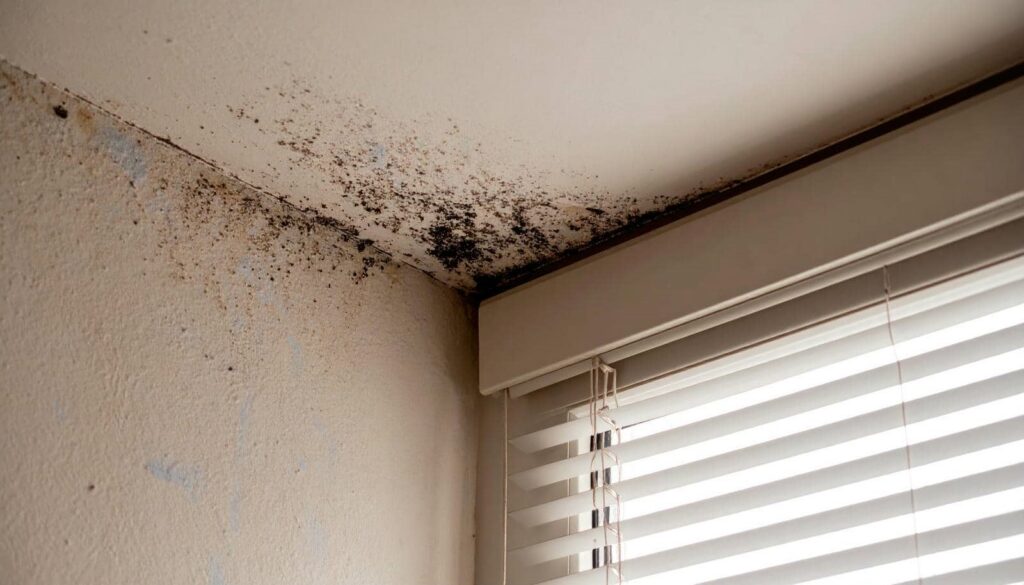
After water exposure, you should be vigilant for visual indicators of mold, such as dark spots or fuzzy growth on surfaces.
Additionally, a musty odor often signals hidden mold presence, even if it isn’t visible.
Identifying these signs promptly is essential for effective mold remediation.
Visual Mold Indicators
Since mold thrives in damp conditions, identifying visual indicators is essential for effective remediation after water damage.
Start by inspecting areas with mold color variations, which can range from black to green, white, or even orange. Each hue signifies different mold types, helping you assess the severity of the situation.
Look for visual mold patterns, such as fuzzy textures or slimy surfaces, typically found on walls, ceilings, and under sinks. Staining or discoloration on surfaces can also indicate hidden mold growth behind materials.
Pay attention to any peeling paint or warped structures, as these can signal moisture retention conducive to mold development.
Recognizing these signs promptly enables you to take necessary action and restore your living space effectively.
Musty Odor Detection
Visual indicators of mold are just one aspect of identifying a mold problem; musty odors can also serve as a significant warning sign.
You should pay attention to these musty odor sources, which often arise from damp areas like basements, bathrooms, or behind walls.
To effectively detect these odors, utilize various odor detection methods, such as employing your sense of smell or using odor detection devices that can identify mold-related compounds.
If you notice a persistent musty smell, it’s essential to investigate further; this odor often indicates hidden mold growth following water exposure.
Addressing these odors promptly can prevent further mold development and protect your home and health.
Trust your instincts when it comes to unpleasant odors—they often signal a larger issue.
The Importance of Immediate Water Extraction
When water intrusion occurs, it’s vital to act swiftly, as immediate water extraction markedly reduces the risk of mold growth.
Utilizing effective water extraction techniques is essential in the first hours following an emergency response. The longer water remains stagnant, the higher the likelihood of mold spores proliferating in your home’s environment.
By employing advanced equipment like submersible pumps and industrial wet vacuums, you can efficiently remove standing water, mitigating further damage to your property.
Additionally, addressing moisture in porous materials—such as carpets and drywall—requires specialized methods to ensure complete drying.
Implementing these measures protects your living space and fosters a sense of safety and community.
Your proactive approach in managing water intrusion creates a healthier home for you and your loved ones while preventing costly repairs down the line.
Assessing the Extent of Water Damage and Mold
After water extraction, the next step is to assess the extent of water damage and potential mold growth in your property. A thorough assessment is vital for effective remediation.
Here’s how to conduct your water damage and mold growth assessment:
Inspect the Affected Areas: Examine walls, floors, and ceilings for discoloration, warping, or wet spots, which may indicate water damage and mold presence.
Check Humidity Levels: Use a hygrometer to measure humidity levels. High humidity can promote mold growth, especially in enclosed spaces.
Evaluate Ventilation: Ensure proper airflow in your property. Stagnant air can exacerbate mold issues, making it essential to identify and address any ventilation problems.
Professional Techniques for Mold Remediation
While you might consider tackling mold remediation on your own, professional techniques are vital for effectively eliminating mold and preventing its return.
Professionals use advanced cleaning methods, such as HEPA vacuuming and antimicrobial treatments, to ensure thorough mold removal. They don’t just clean the visible areas; they also address hidden mold in walls and ceilings, which is essential for long-term success.
Additionally, trained specialists follow strict safety protocols to protect both themselves and your home. They utilize personal protective equipment (PPE) like respirators and gloves, minimizing exposure to harmful spores.
Proper containment procedures are implemented to prevent cross-contamination while they work.
Ensuring Proper Drying and Dehumidification
To effectively prevent mold growth, confirming proper drying and dehumidification is essential immediately after water damage occurs.
If you want to tackle moisture effectively, consider these key steps:
Adjust Dehumidifier Settings: Set your dehumidifier to a low humidity level (around 30-60%) to expedite moisture removal from the air and surfaces.
Implement Drying Techniques: Use high-velocity fans and heaters to promote air circulation and evaporation of moisture. Confirm all affected areas, including hidden spaces, are adequately addressed.
Monitor Conditions: Regularly check humidity levels with a hygrometer. This helps you assess the effectiveness of your drying efforts and adjust accordingly.
Preventing Future Mold Growth After Remediation
Although mold remediation can effectively remove existing mold, taking proactive measures is crucial to prevent future growth. Start by controlling moisture levels in your home; use dehumidifiers in damp areas and ensure proper ventilation in bathrooms and kitchens. Regularly inspect plumbing for leaks and repair any issues promptly.
Implement preventive measures by sealing cracks and gaps in walls, windows, and foundations, as these can serve as entry points for moisture. Additionally, consider using mold-resistant materials when renovating or building.
Establish long-term strategies by maintaining a consistent cleaning schedule that includes using mold-inhibiting products in high-risk areas. Monitor indoor humidity levels, keeping them below 60%, and encourage airflow by rearranging furniture and using fans.
Indoor Air Quality Testing and Monitoring Post-Remediation
After taking steps to prevent future mold growth, it’s important to assess the indoor air quality in your home.
Post-remediation monitoring is essential for ensuring a safe living environment. Here are three key aspects to focus on:
Air Sampling: Conduct air quality tests to identify any residual mold spores or allergens. This helps confirm the effectiveness of your remediation efforts.
Humidity Levels: Monitor humidity using hygrometers. Keeping levels between 30-60% reduces the likelihood of mold regrowth.
Ventilation: Ensure proper ventilation in high-moisture areas. This can involve installing exhaust fans or opening windows to facilitate airflow.
Frequently Asked Questions
How Long Does Mold Remediation Typically Take?
Mold remediation typically takes one to five days, depending on the severity of mold growth and the remediation timeline. Your property’s size and the environment also greatly influence the duration of the process.
Will My Insurance Cover Mold Remediation Costs?
Your insurance policies might cover mold remediation costs, but it depends on your specific mold coverage. Review your policy and consult your agent to understand any exclusions or limitations that may apply to your situation.
Can I Stay in My Home During Remediation?
You can’t stay in your home during remediation—what a surprise! Safety precautions require temporary relocation to ensure your well-being. The process involves removing mold, which can expose you to harmful spores. Prioritize your health.
What Are the Health Risks of Mold Exposure?
Mold exposure can cause serious health risks, including respiratory issues like asthma and chronic cough. You might experience mold symptoms such as headaches and fatigue, which can greatly impact your overall well-being and quality of life.
How Can I Tell if the Remediation Was Successful?
You can tell if the remediation was successful by conducting mold testing after employing effective remediation techniques. If test results show reduced or undetectable mold levels, you’ve likely achieved a successful outcome.
Final Thoughts
Thorough mold remediation after water damage is essential for restoring a safe environment. You might think it’s just a hassle and not worth the effort, but ignoring mold can lead to serious health issues and costly repairs down the line. By acting quickly, employing professional techniques, and ensuring ongoing monitoring, you can effectively eliminate mold and prevent its return. Prioritizing these steps means protecting your home and your health for the long term.
Recent Posts
How Property Damage Restoration Companies Assess Damage
Before a restoration crew starts work, property damage restoration begins with evaluating hidden hazards, not
Cost of Property Damage Restoration Services Explained
When you face property damage, the restoration cost can shift fast depending on the damage
Property Damage Restoration Insurance Claims Guide for Homeowners
After property damage, property damage restoration insurance claims require you to move quickly, document everything,