
Contents
After a burst pipe soaks your living room overnight, you’re left wondering what to do first. You need to stay safe, document the damage, and act quickly to limit further loss. Property damage restoration can feel overwhelming, but the right steps make a real difference. In this guide, you’ll see how to respond, file a claim, choose a restoration company, and protect your home from the next incident.
Key Takeaways
- Prioritize safety first: check for hazards, document damage with photos, and contact your insurance provider immediately.
- Stop further damage by arranging professional mitigation, cleanup, and emergency repairs after assessing the full extent.
- Handle water, fire, and mold damage quickly by drying, ventilating, containing, and calling trained specialists for widespread issues.
- Choose a reputable restoration company with proper credentials, 24/7 availability, local experience, and clear communication.
- Prepare for future losses with a disaster plan, emergency supplies, labeled shutoffs, and regular family practice.
What to Do After Property Damage?
After property damage, your first priority is to stay safe and prevent the situation from getting worse.
Next, contact your insurance provider and report the incident as soon as you can. Take clear photos and videos of the affected areas, belongings, and visible hazards for your claim.
Then, reach out to a trusted property damage restoration team that can begin emergency services and limit further damage.
If water, fire, or storm damage has affected utilities, shut them off only if you can do so safely.
Save receipts for temporary repairs and lodging, because these records help support reimbursement.
Stay organized, keep notes of every call, and follow professional guidance so you can move forward with confidence.
You’re not handling this alone; support is available.
Stay Safe and Assess the Damage
Once you’ve taken immediate protective steps, shift your attention to safety and a careful damage check.
Before you enter any room, look for hazards like sagging ceilings, broken glass, exposed wiring, gas odors, or standing water. If anything feels unsafe, leave and call the right professionals.
When it’s safe, walk through your home slowly and note what’s affected: walls, flooring, furniture, appliances, and personal belongings.
Take clear photos and short videos so you can remember what you see. Write down the rooms damaged and any urgent concerns.
You don’t need to fix everything now; you just need a clear, calm picture of the situation.
How Property Damage Restoration Works
Once you’ve stayed safe and assessed the damage, restoration starts with a detailed damage assessment to identify what needs attention.
Next, the team handles mitigation and cleanup to stop further harm and remove debris, water, or contaminants.
After that, they carry out repairs and restoration to return your property to safe, usable condition.
Damage Assessment
The first step in property damage restoration is a thorough damage assessment, which helps you understand the full scope of the problem before repairs begin.
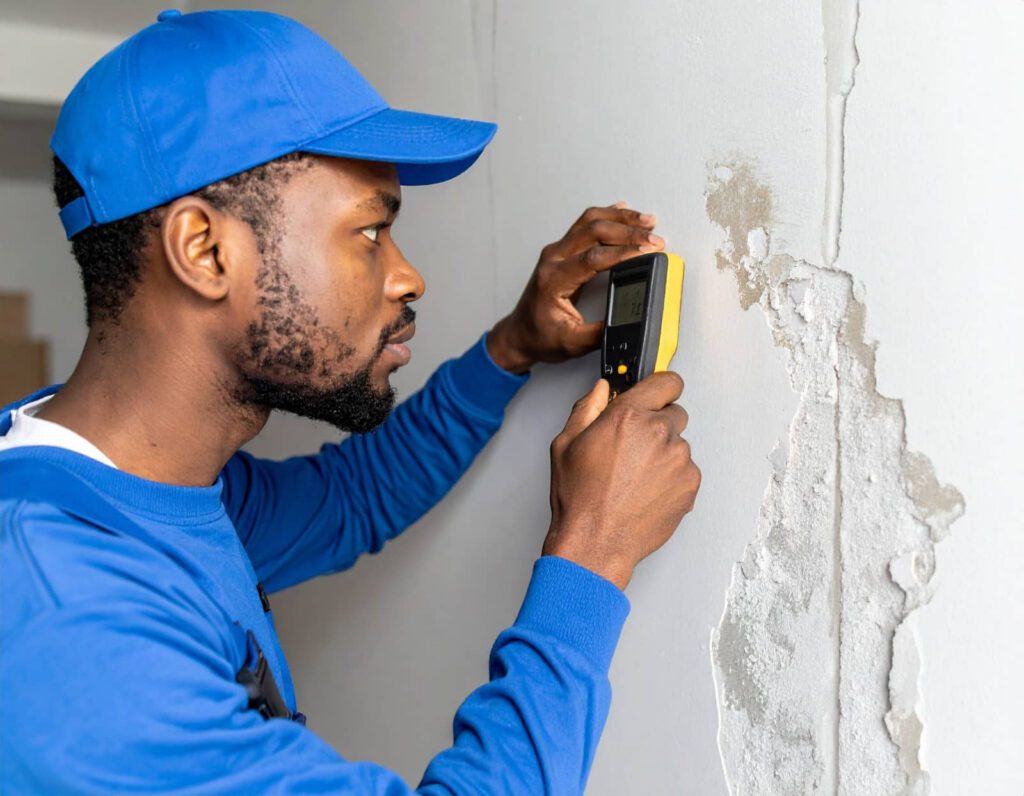
You’ll work with professionals who inspect visible and hidden areas, noting what’s affected and what isn’t. They may check walls, floors, ceilings, insulation, and structural components to identify the cause and extent of damage.
This process gives you a clear picture of priorities, so you can make informed decisions with confidence. It also helps your restoration team create a plan tailored to your home and budget.
When you know exactly what you’re facing, you’re not dealing with it alone—you’re moving forward with a trusted team that understands how to protect your property and your peace of mind.
Mitigation And Cleanup
After the assessment, mitigation and cleanup begin right away to stop the damage from getting worse and to prepare your property for repairs.
You’ll see your restoration team remove standing water, dry affected areas, and set up equipment to reduce moisture fast. They’ll also clear debris, damaged contents, and unsafe materials so your home feels organized again.
If contamination is present, they’ll clean and sanitize surfaces to help protect your household’s health. Throughout the process, they’ll monitor conditions and adjust the plan as needed, keeping you informed so you know what’s happening and why.
This step matters because quick action limits additional loss and helps your property move toward recovery with care, efficiency, and a team that understands what your family needs.
Repair And Restoration
With the site stabilized and cleanup complete, the focus shifts to repairing what was damaged and restoring your property to its pre-loss condition. You’ll work with your restoration team to assess structural issues, replace unsalvageable materials, and bring back safe, functional spaces.
They’ll coordinate trades, match finishes, and keep you informed so you feel supported throughout the process.
- Repair framing, drywall, flooring, and roofing.
- Replace damaged insulation, wiring, or plumbing.
- Restore cabinets, paint, and trim to match.
- Verify safety, function, and final quality.
This phase can take time, but it’s where your home starts feeling like yours again. With steady communication and skilled work, you can move forward with confidence and reconnect with your space.
Handle Water, Fire, and Mold Damage
Water, fire, and mold can each cause serious damage in different ways, so you need to address them quickly and in the right order.
Start by stopping the source of water, then remove soaked materials and dry the area with fans and dehumidifiers.
If fire has affected your home, clear away loose debris, ventilate the space, and clean soot from hard surfaces before it spreads.
For mold, contain the area, keep it dry, and clean small patches with proper protection.
Don’t mix damaged materials back into clean spaces.
You’re not handling this alone; a careful, step-by-step approach helps you protect your home and your peace of mind.
When the damage is widespread, call trained professionals who can restore your space safely and thoroughly.
File Your Insurance Claim
Gather your documentation and file your insurance claim as soon as possible so the recovery process can move forward without delay. You belong in control here, and a clear claim helps protect your home and finances.
Contact your insurer, report the damage, and share photos, receipts, and written notes. Keep every conversation, claim number, and deadline in one place so you can follow up confidently.
- Review your policy coverage.
- List damaged rooms, items, and dates.
- Submit supporting proof quickly.
- Ask questions until you understand the next step.
Stay calm, stay organized, and answer requests promptly. If the adjuster needs more details, respond with facts only.
Careful communication can speed approval and reduce stress, helping you move from loss toward recovery with confidence.
Choose a Property Damage Restoration Company
Now that your claim is underway, choose a property damage restoration company that can respond quickly and work to restore your home safely.
You’ll want a team with clear credentials, solid experience, and a strong local reputation. Ask whether they handle water, fire, smoke, or mold damage, and confirm they can coordinate with your insurer.
A good company explains the process, gives you a written estimate, and keeps you updated at each step. Look for 24/7 availability, trained technicians, and respectful communication, because you deserve support from people who understand what you’re facing.
When you compare options, trust the company that makes you feel informed, included, and confident. The right partner helps your home, and your peace of mind, recover faster.
Prevent Future Property Damage
You can lower the risk of future damage by scheduling regular maintenance checks for your roof, plumbing, electrical systems, and other vulnerable areas.
It’s also wise to create a disaster preparedness plan so you know how to respond quickly when severe weather or emergencies happen.
These steps can help protect your property and give you greater peace of mind.
Regular Maintenance Checks
Regular maintenance checks help you catch small issues before they turn into costly property damage, from roof leaks and plumbing drips to cracked seals and faulty drainage.
When you inspect your home regularly, you protect your space and feel more confident in it. You don’t need to do everything at once; steady attention works best.
- Check roofs, gutters, and downspouts for wear.
- Look under sinks and around appliances for moisture.
- Test caulking, seals, and exterior trim for gaps.
- Trim landscaping and clear vents for proper airflow.
These simple habits help you spot risks early and keep your home strong.
When you stay consistent, you join other homeowners who value prevention, comfort, and peace of mind.
Disaster Preparedness Plan
Even with consistent maintenance, unexpected events can still damage your property, so a disaster preparedness plan helps you respond quickly and reduce losses.
You can protect your home by mapping escape routes, labeling utility shutoffs, and storing emergency contacts where everyone can find them. Keep a go-bag with water, medications, flashlights, batteries, and important documents.
Review your insurance coverage so you know what’s protected and where gaps exist. If you live in a storm-, flood-, or fire-prone area, tailor your plan to local risks.
Practice the plan with your household twice a year so each person knows their role. When a crisis hits, preparation gives you confidence, keeps your family connected, and helps you recover faster together.
Frequently Asked Questions
How Long Does a Typical Restoration Project Take?
Most restoration projects take a few days to several weeks, depending on the damage, materials, and repairs you need. You’ll usually get a timeline after assessment, and your team’ll keep you updated.
Can I Stay in My Home During Restoration?
Yes, you can sometimes stay, but you’ll need to check safety first. If crews work in one area, you may remain elsewhere. For smoke, mold, or major structural damage, you’ll likely need temporary housing.
What Items Can Usually Be Salvaged After Damage?
You can usually salvage furniture, hard-surface flooring, metal fixtures, documents, photos, and some electronics if you act quickly. You’ll often save more when you dry, clean, and stabilize items fast after damage.
How Are Hidden Damages Detected During Restoration?
You’ll detect hidden damage by inspecting walls, floors, and ceilings, using moisture meters, thermal cameras, and air quality tests. You can also remove trim or panels to find leaks, mold, and structural issues early.
Are Restoration Costs Tax-Deductible?
Yes, you can sometimes deduct restoration costs if your loss qualifies as a casualty and your insurance doesn’t fully reimburse you. You’ll want to consult a tax professional, since rules vary by situation and location.
Conclusion
When property damage shakes your home, you’re not starting from zero—you’re gathering the pieces and rebuilding stronger. Think of restoration like turning the key after a storm: the door may be scarred, but the home can still open to safety, stability, and comfort. By acting quickly, choosing trusted professionals, and planning ahead, you protect more than walls and floors. You protect your peace of mind and your family’s future.
Recent Posts
Property Damage Restoration Process for Homes Explained
You probably don’t know that restoration crews often start by finding hidden damage before they
Smoke Damage Cleanup Insurance Claim Guide
Some homeowners’ insurance claims involve property damage from fire or smoke, and a Smoke Damage
Smoke Damage Cleanup Timeline for Homes
After a house fire, you need a cleanup plan that starts immediately and follows a