
Contents
You assess the damage, you check for danger, you stay clear of unstable areas. After a storm hits, you need emergency restoration services fast so you can stop water intrusion, protect your home, and start recovery before problems spread. These crews act quickly to board openings, extract water, dry affected spaces, and document losses for insurance. The next steps can make the difference between a quick fix and a much bigger repair.
Key Takeaways
- First, ensure the area is safe by checking for downed power lines, gas leaks, unstable walls, and broken glass.
- Contact emergency restoration services quickly to describe the storm damage and any affected utilities.
- Protect the home by closing openings, covering damage, and moving valuables away from affected areas.
- Restoration crews will remove standing water, extract moisture, and use fans and dehumidifiers to prevent mold.
- Professionals then repair structural damage, document losses, and help restore the home safely.
Assess Storm Damage and Stay Safe
Before you do anything else, make sure the area is safe to enter and assess the storm damage from a distance.
Check for downed power lines, gas odors, unstable walls, and broken glass before you move closer. If you spot sagging roofs, flooding, or loose debris, keep your distance and warn your family to stay back.
Take photos only when it’s safe, so you can document what you see without taking risks. Wear sturdy shoes and gloves if you must step near the property.
Trust your instincts; if something feels wrong, it probably is. You’re not facing this alone.
Emergency restoration services for storm damage can help stabilize dangerous conditions and guide your next steps, but your first job is to protect yourself and your people.
Call Emergency Restoration Services Quickly
Call emergency restoration services as soon as you confirm it’s safe to do so.
When you reach out right away, you join a team that knows how to respond fast and guide you through the next steps.
Give them a clear summary of what the storm damaged, what you can see, and whether utilities are affected. That helps them prepare the right crew and equipment before they arrive.
You don’t have to face the aftermath alone; trained professionals can assess the situation, answer your questions, and start the recovery process with confidence.
The sooner you call, the sooner you’ll have experienced support on your side, helping you move from shock to action and back toward normal life.
Protect Your Home From Further Damage
Once you’ve contacted emergency restoration services, focus on stopping more damage before it spreads. You can take a few fast, steady steps to protect your home and keep your family’s space from worsening.
Close windows and doors, and if it’s safe, cover broken openings with tarps or boards to block wind and rain. Move valuables, photos, and electronics away from damaged areas so they stay protected.
If you see loose debris outside, clear only what you can handle safely. Turn off utilities only when you’re sure it’s necessary and safe. Stay out of visibly unstable rooms.
These quick actions help your home hold together while the restoration team steps in. You’re not alone here; every careful move supports a stronger recovery and helps your household get back on track.
Extract Water and Dry the Home
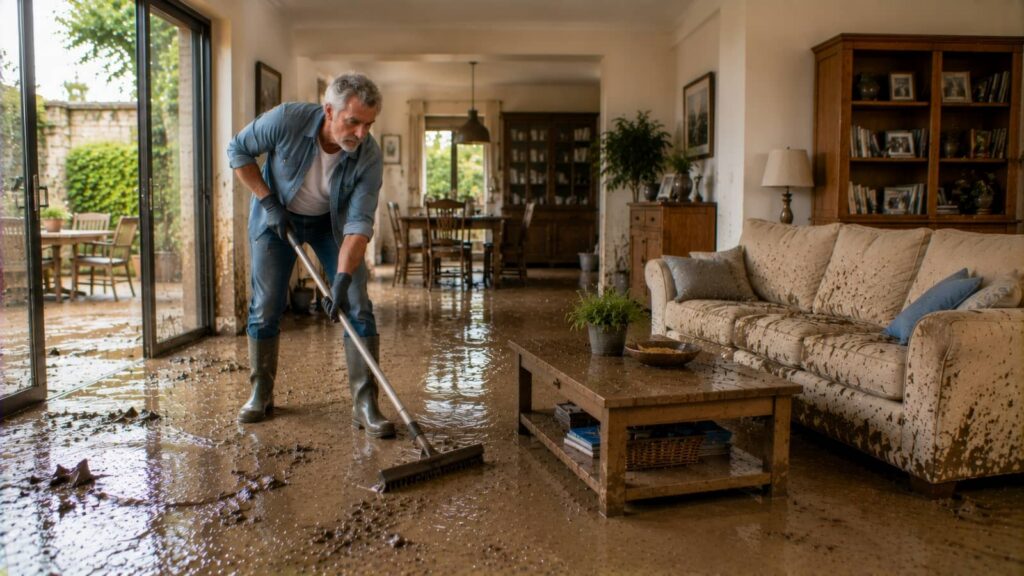
Standing water needs to go fast, so emergency restoration crews will pump out water, extract moisture from carpets and surfaces, and start drying the home with fans and dehumidifiers.
You need this step done quickly to cut the chance of mold, odors, and hidden damage. Crews will check damp spots, move air through each room, and monitor humidity until your home starts to feel safe again.
You’re not tackling this alone; you’ve got a team that knows how to restore order after a storm. As moisture drops, you can breathe easier and focus on the next steps.
Fast drying protects your belongings, supports your family’s comfort, and helps you regain control sooner.
Repair Structural Storm Damage
With the home dried out, crews can assess and repair the structural damage left by the storm. You need these fixes fast so your house stays safe and your family can breathe easier.
They’ll shore up bowed walls, replace broken framing, reset damaged roof decking, and secure compromised floors before problems spread. If beams, trusses, or load-bearing posts shifted, they’ll rebuild them to code and restore strength.
You’re not dealing with this alone; skilled restoration teams know how to guide you through each step and keep you informed. They’ll document damage for insurance, coordinate needed permits, and prioritize the repairs that protect your home first.
Act quickly, because timely structural work helps your home become a stable place to return to again.
Frequently Asked Questions
How Do I Document Storm Damage for My Insurance Claim?
You should photograph every damaged area, save receipts, list affected items, and note dates, times, and weather details. Don’t discard anything until your adjuster reviews it. You’re not alone; thorough records strengthen your claim.
What Should I Do if My Power Is Out After the Storm?
If your power’s out, treat your home like a dark ship: use flashlights, keep your fridge closed, unplug appliances, and check neighbors safely. Call your utility, avoid downed lines, and stay connected with others.
Can Emergency Restoration Services Remove Mold After Storm Damage?
Yes, you can, and you should act fast. You’ll need professionals to inspect, remove contaminated materials, dry everything, and prevent spread. They’ll help you protect your home and get back to normal sooner.
How Long Does Storm Damage Restoration Usually Take?
You’ll usually need a few days to several weeks, depending on damage and drying time. You can speed recovery by calling crews fast, documenting losses, and staying connected with your restoration team.
Do I Need Permits for Major Storm Damage Repairs?
Yes, you usually do. Like a map guiding you home, permits keep repairs safe and legal. You’ll need them for structural, electrical, or plumbing work. Call your local office fast, and you’ll fit right in.
Conclusion
When a storm leaves your home looking like a disaster movie, the fastest way back to normal is to act fast and call emergency restoration services. You may not have planned on water extraction, board-ups, and drying equipment becoming part of your day, but here you are. The good news? Quick action protects your home, limits damage, and speeds recovery. Stay safe, trust the pros, and let them turn chaos into a solid starting point.
Recent Posts
Property Damage Restoration After Storms and Severe Weather
After a storm, property damage restoration starts with safely assessing the property, documenting all visible
How Property Damage Restoration Companies Assess Damage
Before a restoration crew starts work, property damage restoration begins with evaluating hidden hazards, not
Cost of Property Damage Restoration Services Explained
When you face property damage, the restoration cost can shift fast depending on the damage