
Contents
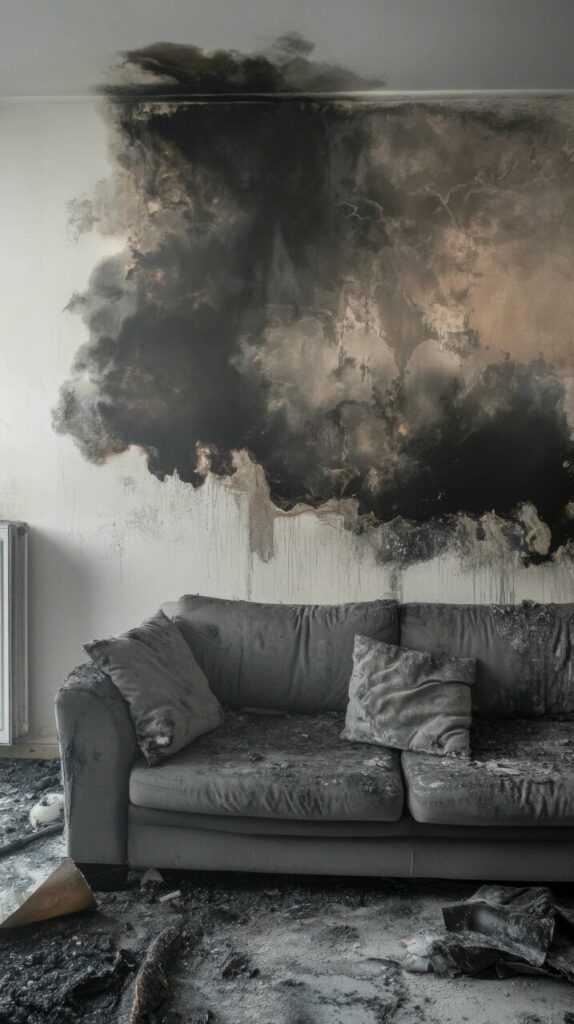
After a kitchen fire, the lingering soot and smoke can be overwhelming. You need a systematic approach to restore your space effectively. Start by evaluating the extent of the damage, which sets the foundation for targeted cleaning techniques. Knowing how to clean surfaces properly and neutralize odors is vital. But without addressing structural concerns, you might miss hidden issues. Let’s explore the essential techniques that ensure a thorough restoration.
Key Takeaways
- Conduct a thorough inspection of damaged areas to identify the source and type of soot for effective cleaning strategies.
- Use a dry-cleaning sponge and HEPA vacuum to gently remove soot from affected surfaces, including walls and furniture.
- For hard surfaces, clean with warm water and specialized detergents, testing any chemical cleaners on small areas first.12
- Employ odor neutralization methods like ozone generators, activated charcoal, or steam cleaning to eliminate smoke smells from fabrics and carpets.
- After repairs, seal surfaces to prevent lingering odors and consider repainting or refinishing to restore the area.
Assessing the Extent of Damage
When evaluating the extent of soot and smoke damage, it’s crucial to start with a thorough inspection of the affected areas. Begin by identifying the source of the damage, as it’ll help you understand the severity and type of soot. Check surfaces such as walls, ceilings, and furniture for discoloration, residue, or lingering odors. Utilize a flashlight to spot hard-to-see areas, and don’t forget to examine HVAC systems, as soot can accumulate there, too.
Next, assess the materials impacted—different surfaces react differently to soot. For instance, porous materials absorb soot more deeply, complicating cleanup. Document your findings meticulously, noting the type of damage and specific locations. This information will guide your cleaning strategy and help with insurance claims. Finally, evaluate the potential for structural damage, which may require professional assessment to ensure safety before proceeding with remediation efforts.
Cleaning Techniques for Soot Removal
After evaluating the extent of soot and smoke damage, you can begin the cleaning process, which requires specific techniques tailored to effectively remove soot without causing further harm. Start by using a dry-cleaning sponge, specifically designed for soot removal. Gently dab the affected surfaces, allowing the sponge to absorb the soot without smearing it. For porous materials, like fabrics, employ a vacuum with a HEPA filter to capture loose particles before deep cleaning.
In cases of hard surfaces, utilize a mixture of warm water and a specialized detergent. Apply this solution with a soft cloth, working from the top down to prevent streaks. For stubborn stains, consider using a chemical soot remover, but always test it on a small area first. Finally, ensure adequate ventilation while cleaning to avoid inhaling residual particles. This methodical approach will help restore your space effectively and safely.
Odor Neutralization Methods
Although eliminating visible soot is essential, addressing lingering odors from smoke damage is equally important for restoring your space. Start by ventilating the area; open windows and use fans to promote airflow. Next, consider applying an ozone generator, which can effectively neutralize smoke odors by oxidizing odor-causing particles. Make sure you’re following safety guidelines when using this method.
Another option is to use activated charcoal or baking soda. Place these substances in open containers around the affected areas to absorb unpleasant smells. For fabrics, you might try enzyme-based cleaners specifically designed for smoke odor removal. These products break down odor molecules, offering a thorough cleanse.
Lastly, steam cleaning carpets and upholstery can further reduce residual odors. Always test any cleaning solution on a small, inconspicuous area first to avoid damage. By systematically employing these methods, you’ll greatly enhance your space’s overall air quality.
Structural Repairs and Restoration
Structural repairs and restoration play a critical role in the aftermath of soot and smoke damage. You’ll need to assess the extent of the damage, starting with a thorough inspection of walls, ceilings, and floors. Look for signs of charred materials or weakened structures, as these can compromise safety.
Next, remove damaged sections, ensuring compliance with local building codes. Replace any compromised framing and sheathing with materials that match the original specifications. Once structural integrity is restored, you’ll want to clean surfaces thoroughly to eliminate soot residues.
Consider using specialized cleaning agents that can penetrate porous materials. After cleaning, seal any surfaces to prevent lingering odors from resurfacing. Finally, repaint or refinish surfaces as necessary, using fire-retardant paints when applicable. This methodical approach ensures that the restoration process repairs damage and reinstates the building’s safety and functionality.
Preventive Measures for Future Incidents
Once you’ve completed the necessary structural repairs and restoration, it’s crucial to implement preventive measures to minimize the risk of future soot and smoke damage. Start by installing smoke detectors in every room and verifying they’re tested monthly. Consider integrating a fire suppression system, such as sprinklers, to reduce the intensity of potential fires. Regularly inspect and maintain your HVAC system to ensure efficient airflow and filtration, which can help trap particulates before they settle.
Additionally, educate household members about fire safety, including safe cooking practices and the importance of not overloading electrical outlets. Store flammable materials in designated, secure areas, away from heat sources. Consider using fire-retardant materials for upholstery and drapes. Finally, develop an emergency plan that includes escape routes and a designated meeting place. By taking these proactive steps, you’ll greatly decrease the likelihood of future soot and smoke damage, providing a safer environment.
Recap
Effectively tackling soot and smoke damage requires a systematic approach. By evaluating damage, employing targeted cleaning techniques, and neutralizing odors, you can restore your space to its original condition. Don’t forget the importance of structural repairs to prevent future issues. Isn’t it worth the effort to ensure your environment is safe and comfortable? With these methods in mind, you’ll be well-equipped to handle any smoke-related challenges that arise.
Recent Posts
How Property Damage Restoration Companies Assess Damage
Before a restoration crew starts work, property damage restoration begins with evaluating hidden hazards, not
Cost of Property Damage Restoration Services Explained
When you face property damage, the restoration cost can shift fast depending on the damage
Property Damage Restoration Insurance Claims Guide for Homeowners
After property damage, property damage restoration insurance claims require you to move quickly, document everything,