
Contents
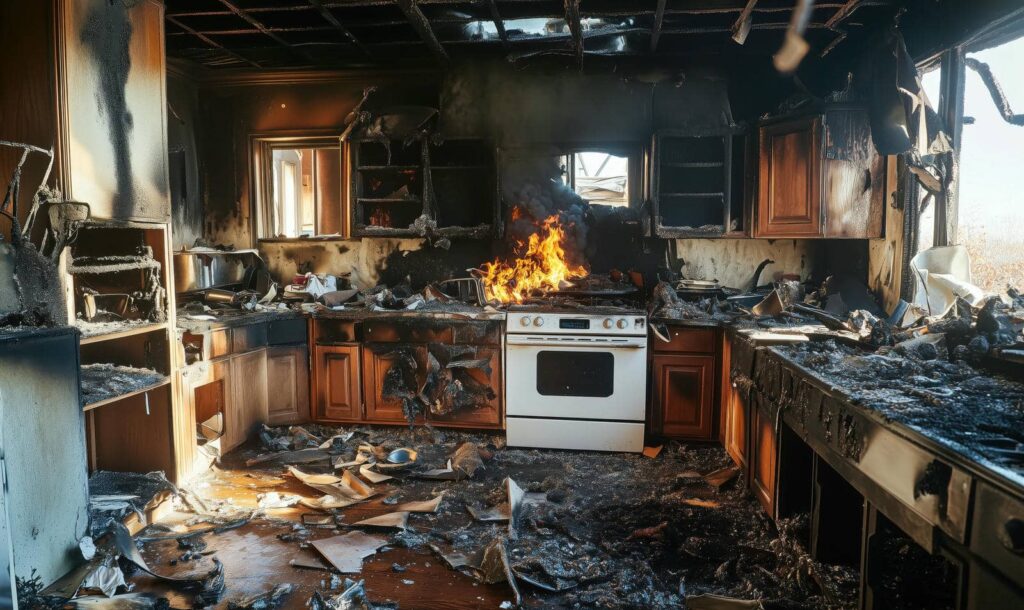
You might not realize that soot and smoke damage can linger long after the flames are extinguished, affecting both the structure and air quality of your space. It’s vital to approach restoration methodically to ensure a thorough cleanup. From evaluating damage to employing proper cleaning techniques, every step matters. Understanding how to effectively restore your environment can make a significant difference. Let’s explore the essential tips for tackling this challenging task.
Key Takeaways
- Thoroughly assess and document the damage, focusing on visible and hidden areas affected by soot and smoke.
- Prioritize safety by wearing PPE, ensuring ventilation, and checking for structural integrity before starting restoration.
- Use a vacuum with a HEPA filter to remove loose soot, and clean surfaces with mild detergent solutions.
- Test cleaners on inconspicuous areas before applying them broadly to avoid further damage to surfaces.
- Consider hiring professionals for extensive damage, utilizing specialized equipment and advanced deodorization methods for effective restoration.
Assessing the Damage
Evaluating the damage from soot and smoke is essential for effective restoration. Start by inspecting all affected areas, including walls, ceilings, and furniture. Look for discoloration, residue, or any lingering odors that indicate smoke penetration. Use a flashlight to reveal hidden soot in corners or crevices.
Next, assess the extent of damage to both structural elements and personal belongings. Identify materials like drywall or upholstery that may require replacement versus those that can be cleaned. Take note of the type of smoke—wet or dry—as it influences cleaning methods.
Document your findings with photographs and detailed notes, which will help in planning the restoration process. Consider using an air quality monitor to gauge residual pollutants. By systematically identifying and categorizing damage, you’ll lay the groundwork for a thorough and effective restoration strategy, ensuring no area is overlooked in the recovery effort.
Safety Precautions
Before you begin any restoration work, it’s essential to prioritize safety precautions, especially since soot and smoke damage can pose health risks. Start by wearing personal protective equipment (PPE), including N95 respirators, gloves, and goggles, to shield yourself from harmful particles and irritants. Ensure adequate ventilation in the affected area by opening windows and using fans, if possible. Check for structural integrity; look for signs of weakened beams or ceilings. If you detect any electrical hazards, shut off power before proceeding. Keep a fire extinguisher on hand, as the risk of flare-ups remains. Avoid eating or drinking in the contaminated space, and wash your hands frequently to prevent cross-contamination. Finally, consider consulting with professionals if the damage is extensive; they can provide expertise and additional safety measures necessary for a thorough restoration. Prioritizing safety now can protect your health and ensure a more effective restoration process later.
Cleaning Techniques
To effectively tackle soot and smoke damage, you’ll need to employ specific cleaning techniques tailored to the materials affected. Start by using a vacuum with a HEPA filter to gently remove loose soot particles from surfaces. For walls and ceilings, mix a solution of warm water and mild detergent, using a sponge to lightly scrub the area without saturating it. Rinse with clean water, and dry promptly to prevent moisture damage.
For fabrics, consider using a dry cleaning solvent or specialized upholstery cleaner, applying it cautiously to test for colorfastness. Carpets may require professional steam cleaning due to embedded soot. In kitchens, degreasing agents can help eliminate smoke residues from cabinets and appliances.
Always wear protective gear, including masks and gloves, to prevent inhalation of harmful particles. By following these techniques, you’ll effectively reduce soot and smoke damage, setting the stage for further restoration efforts.
Restoring Surfaces
Restoring surfaces after soot and smoke damage requires a systematic approach to confirm thorough remediation. Start by evaluating the extent of damage to various surfaces—walls, ceilings, and furniture. Use the following steps for effective restoration:
- Identify Surface Materials: Different materials (wood, drywall, fabric) require tailored cleaning methods.
- Use Appropriate Cleaners: Select cleaners specifically formulated to tackle soot and smoke residues without damaging surfaces.
- Test Small Areas: Before applying cleaners broadly, test on inconspicuous areas to verify compatibility and desired results.
- Seal and Protect: After cleaning, seal porous surfaces with a suitable sealant to prevent future odor infiltration.
Professional Help
When faced with extensive soot and smoke damage, enlisting professional help can greatly enhance the restoration process. Professionals possess specialized equipment such as HEPA vacuums and industrial-grade air scrubbers, which effectively remove particulate matter that typical cleaning methods can’t tackle. They’ll assess the extent of the damage and develop a tailored plan, ensuring all affected areas, including hidden spaces, are addressed.
Moreover, trained technicians understand the chemistry behind soot and smoke residue. They’ll use appropriate cleaning agents and techniques to avoid further damage to surfaces and materials. If odors persist, professionals can utilize advanced deodorization methods such as ozone treatment or thermal fogging, which penetrate materials to eliminate lingering scents.
Finally, by hiring experts, you’re not just restoring your space—you’re safeguarding your health. They’ll confirm that air quality is restored to safe levels, allowing you to return to a clean, comfortable environment.
Wrap-Up
In restoring soot and smoke damage, you must assess the damage, prioritize safety, employ effective cleaning techniques, restore surfaces, and seek professional help when needed. By following these steps, you ensure a thorough cleaning of your health and home. Remember, taking the right precautions, using the right tools, and consulting experts can make all the difference. A systematic approach leads to lasting results, allowing you to reclaim your space and breathe easier once again.
Recent Posts
Fire Damage Restoration Timeline for Homes
A house fire can turn a normal day into a long recovery in minutes. You’ll
What Homeowners Should Do After a House Fire
If a house fire leaves smoke damage through your hallway, you need to act in
5 Ways Soot Damage Can Affect Your Home
Soot damage can do more than leave dark stains on your walls. It can corrode