
Contents
When facing flooded basements, choosing the right drying method is essential. Structural drying not only accelerates the drying process but also minimizes the risk of mold and long-term damage. Understanding the techniques and benefits involved can greatly impact the restoration outcome. Let’s explore why structural drying is the best choice for your flooded basement.
Key Takeaways
- Structural drying rapidly removes excess moisture, preventing mold growth and maintaining a healthy living environment.
- It minimizes damage to structural components, ensuring the integrity and longevity of your home.
- Advanced equipment like dehumidifiers and air movers provide thorough drying not achievable with traditional methods.
- The process includes continuous moisture monitoring to ensure complete moisture removal and prevent future issues.
- Quick restoration timelines allow homeowners to return to normalcy while preserving the value of their property.
Understanding Structural Drying Techniques
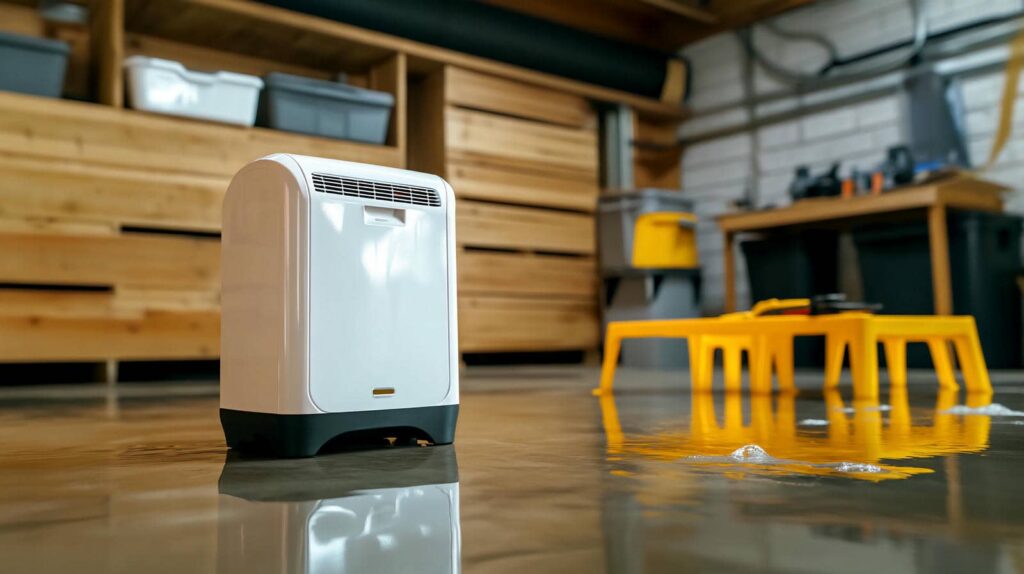
Understanding structural drying techniques is vital for effectively managing flooded basements. You need to start with accurate moisture measurement to assess the extent of the water damage. This step helps you determine the right approach and equipment for drying out the affected areas. Utilizing advanced drying equipment, such as dehumidifiers and high-velocity air movers, can greatly speed up the drying process. It’s important to position these machines strategically to guarantee ideal airflow and moisture removal.
Monitor the moisture levels throughout the drying process to confirm the environment returns to a safe and healthy state. You’ll want to maintain consistent readings, which will guide your use of drying equipment and help prevent future issues like mold growth. By following these structural drying techniques, you can effectively restore your basement and create a secure, welcoming space for your family.
Benefits of Structural Drying for Flooded Basements
Effective structural drying offers numerous benefits for flooded basements. First and foremost, it considerably aids in mold prevention. By quickly removing excess moisture, you minimize the environment that mold thrives in, protecting your home and your health. This proactive approach to moisture control not only guarantees a cleaner space but also enhances the overall air quality within your home.
Additionally, structural drying can prevent costly damage to your property. When water lingers, it can weaken structural components, leading to expensive repairs down the line. By investing in professional drying services, you’re safeguarding your home’s integrity.
Furthermore, the process can expedite the restoration timeline, allowing you to return to your normal routine sooner. Effective services can also help maintain your home’s value, ensuring it remains a safe and comfortable place for you and your family. Choosing structural drying is a smart, necessary step in managing flooded basements.
The Structural Drying Process Explained
When water invades your basement, a systematic structural drying process is essential to restore your space effectively. This process begins with a thorough assessment to identify moisture levels and affected areas. Next, specialized restoration equipment, like dehumidifiers and air movers, is deployed for efficient moisture removal. These tools work together to create ideal drying conditions, ensuring your basement dries quickly and thoroughly.
Here’s a breakdown of the structural drying process:
| Step | Description | Equipment Used |
|---|---|---|
| Assessment | Identify moisture levels and damage | Moisture meters |
| Setup | Position equipment for ideal airflow | Air movers, dehumidifiers |
| Drying | Continuously monitor moisture levels | Hygrometers |
| Restoration | Repair and restore affected areas | Repair tools |
| Final Inspection | Verify complete moisture removal | Final moisture checks |
Comparison With Traditional Drying Methods
While many homeowners may consider traditional drying methods, such as using fans and natural ventilation, these approaches often fall short in effectively addressing the complexities of water damage in flooded basements. Traditional methods typically rely on air circulation, which can take an extended time to achieve adequate drying efficiency. They often fail to penetrate saturated materials, leaving moisture trapped in walls, floors, and insulation.
In contrast, structural drying employs advanced techniques like dehumidification and heat application, ensuring thorough moisture removal. This method targets hidden moisture pockets that traditional methods might miss, promoting faster and more complete drying. Additionally, structural drying reduces the risk of mold growth and structural damage, providing peace of mind. By choosing structural drying, you’re not just opting for a quicker solution; you’re investing in long-lasting protection for your home, making it a smart and effective choice for flooded basements.
Preventing Future Flood Damage With Structural Drying
To prevent future flood damage, implementing structural drying techniques can be vital for maintaining the integrity of your home. These methods focus on effective moisture control, which is critical in minimizing the risk of mold growth. By addressing wet materials promptly, you not only protect your property but also enhance your living environment.
| Technique | Benefit |
|---|---|
| Air Movers | Accelerate drying process |
| Dehumidifiers | Control humidity levels |
| Moisture Meters | Guarantee thorough moisture assessment |
Investing in these structural drying solutions can greatly reduce the chances of mold formation, providing you with peace of mind. You’ll foster a healthier home atmosphere while safeguarding your investment. Remember, proactive measures today lead to a more secure tomorrow, allowing you to enjoy your space without the imminent worry of future flood damage.
Frequently Asked Questions
How Long Does Structural Drying Typically Take for a Flooded Basement?
Structural drying typically takes between three to five days, depending on your basement conditions and the drying duration required. Factors like moisture levels and material types greatly influence how long the process will last.
What Equipment Is Used in Structural Drying?
In structural drying, you’ll use dehumidifiers to extract moisture and air movers to circulate dry air. This combination effectively accelerates the drying process, ensuring your basement returns to a safe, moisture-free environment quickly.
Is Structural Drying Safe for Children and Pets?
Yes, structural drying is safe for children and pets when proper safety precautions are taken. Guarantee pet care by removing them from the area until the drying process is complete to prevent any potential exposure to harmful materials.
Can I Stay in My Home During Structural Drying?
You can stay in your home during the structural drying process, but guarantee your safety. Monitor air quality and follow guidelines provided by professionals to maintain a safe environment while the drying equipment operates.
Will Insurance Cover the Costs of Structural Drying Services?
Isn’t it ironic how you pay for insurance, yet coverage limits might leave you high and dry? Check your insurance policies carefully; they often cover structural drying costs, but limits can vary considerably.
Wrap Up
In the end, choosing structural drying for your flooded basement can make all the difference. It’s not just about drying out your space; it’s about protecting your home from future issues and preserving its value. By investing in advanced drying techniques, you’re not just putting a Band-Aid on the problem—you’re tackling it head-on. So, don’t wait for the next storm to hit; take action now and guarantee your home remains a safe haven for years to come.
Recent Posts
10 Best Flood Damage Restoration Methods for Homes
When disaster strikes your home with flood damage, knowing the best restoration methods can make
Top Flood Damage Restoration Techniques for Homes
Floods can devastate homes, yet effective restoration flood damage techniques can bring them back to
Step-by-Step Guide for Ceiling Water Damage Repair
Imagine standing beneath a sagging ceiling, water stains spreading like dark clouds overhead. It’s essential