
Contents
After a house fire, you need to act quickly, but in the right order. You’ll first secure the property, document visible damage, and wait for a professional inspection to verify fire, smoke, and water impacts. From there, the damage restoration process moves into cleanup, drying, and repairs, each step tied to safety and code compliance. What happens next often determines how much of your home can truly be restored.
Key Takeaways
- Ensure the home is safe, shut off utilities if needed, and keep people and pets away from unstable areas.
- Document visible fire, smoke, soot, and water damage before disturbing anything.
- Have professionals inspect structural hazards, hidden damage, and HVAC contamination throughout the property.
- Clean soot, remove water, dry affected areas, and deodorize salvageable contents using specialized equipment.
- Repair damaged materials, replace compromised structural parts, and test electrical systems before reoccupying the home.
What To Do After Fire Damage?
After fire damage, you should first make sure the property is safe to enter, then contact a professional restoration team to assess the extent of the damage.
Once you’re clear, shut off utilities if it’s safe, and keep family and pets away from unstable areas. Document visible damage with photos for your records, but don’t disturb soot or wet materials.
Board broken openings if you can do so safely, and place important items in a secure, dry space.
During fire damage restoration, professionals can remove smoke residue, stabilize affected surfaces, and protect salvageable contents.
You’re not handling this alone; a coordinated response helps you regain control quickly.
Stay in close contact with your insurer and restoration crew so your next steps stay organized, efficient, and grounded.
How Pros Assess Fire Damage
Professionals begin with a detailed site inspection to identify fire, smoke, soot, and water damage. Then they map affected areas and note safety hazards like weakened framing, damaged wiring, and contaminated insulation.
You’ll see them document each room, photograph conditions, and measure how far heat and moisture traveled. They test structural stability, check HVAC pathways, and verify whether materials can stay or must go.
They also compare visible damage with hidden damage behind walls, under floors, and in attics. This assessment helps your restoration team build a safe recovery plan and set priorities in the right order.
You’re not left guessing; you’re guided by clear findings, so your home’s restoration feels organized, careful, and within a trusted process.
Smoke And Soot Cleanup After Fire Damage
Once the damage assessment is complete, the cleanup team gets to work removing smoke residue and soot before they can spread or set deeper into surfaces.
You’ll see technicians isolate affected rooms, then use HEPA vacuums, dry sponges, and specialized detergents to lift particles from walls, ceilings, trim, and contents. They match cleaning methods to the type of soot, because oily residue needs different treatment than dry powder.
They also neutralize odors with targeted deodorization, so your home starts to feel livable again. You can expect careful handling of belongings, with salvageable items cleaned and packed separately.
This step protects finishes, reduces corrosion, and prepares your space for the next phase. Throughout the process, your restoration team keeps you informed and supported.
Water Removal And Structural Drying
Next, the team removes any standing water and begins structural drying to stop moisture from spreading through framing, drywall, flooring, and insulation.
You’ll usually see high-capacity extractors, air movers, and dehumidifiers working together to lower moisture levels fast. Technicians track readings in affected areas, so you know drying is targeted, not guesswork.
This step helps protect your home’s stability and reduces the chance that hidden dampness lingers inside cavities. You’re not dealing with this alone; the process is organized to support a safe, predictable recovery.
- Extract standing water quickly
- Monitor moisture in materials
- Dry hidden spaces thoroughly
Repairs Needed To Restore Your Home
After the site is dry and stabilized, the restoration crew can begin the repairs needed to bring your home back to a safe condition.
You’ll usually need damaged drywall removed, framing inspected, and compromised insulation replaced. Technicians repair or rebuild burned structural members, seal soot-stained surfaces, and replace warped flooring, trim, doors, and cabinetry.
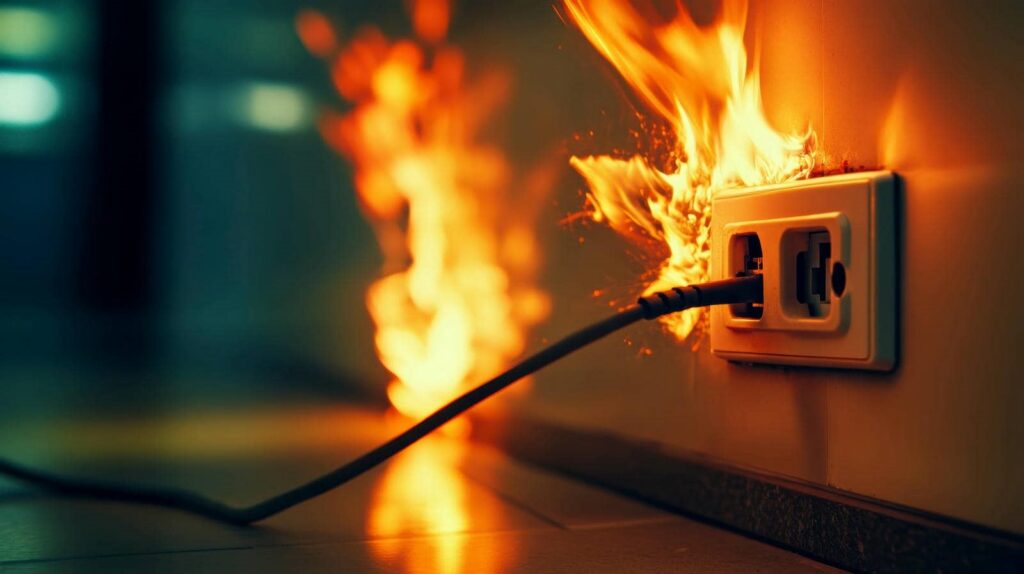
If heat or smoke reached your electrical system, licensed specialists test wiring, outlets, and panels before reconnecting power. Plumbers and HVAC crews check for hidden damage, too.
As repairs progress, your team coordinates materials, matches finishes, and verifies that each area meets code.
You’re not rebuilding alone; skilled professionals guide every step so your home feels sound, clean, and ready for your family again.
Frequently Asked Questions
How Long Does Fire Damage Restoration Usually Take?
It usually takes anywhere from a few days to several weeks, depending on damage severity, smoke cleanup, soot removal, and structural repairs. You’ll get a clearer timeline after an inspection and detailed scope.
Does Homeowners Insurance Cover Temporary Housing After a Fire?
Usually, yes—your homeowners policy often covers temporary housing after a fire through loss-of-use coverage. You’ll need to document expenses and stay within policy limits, but you’re not stranded while repairs restore your home.
Can Salvaged Belongings Be Professionally Cleaned and Restored?
Yes, you can often have salvaged belongings professionally cleaned and restored. You’ll need specialists to remove soot, smoke residue, and odors, and to assess fabrics, electronics, and valuables for safe recovery.
Is It Safe to Stay in the Home During Restoration?
Usually, you shouldn’t stay if crews find smoke, soot, unstable structures, or utility hazards. You’ll get safer access when they isolate work areas, verify air quality, and clear the home for temporary occupancy.
How Are Odors Removed From Walls and Furniture?
You remove odors by cleaning soot, sealing porous surfaces, and treating walls and furniture with specialized deodorizers, ozone, or hydroxyl machines. You’ll also replace severely contaminated materials so your home smells clean again.
Review
After a fire, you’re not just rebuilding walls—you’re restoring safety, comfort, and trust in your home. Like a phoenix rising, your recovery begins with careful assessment, then moves through soot cleanup, water removal, drying, and repairs. When you follow each step, you reduce hidden damage and prevent future problems. With the right restoration pros, you can bring your home back to code, back to strength, and back to life.
Recent Posts
How Property Damage Restoration Companies Assess Damage
Before a restoration crew starts work, property damage restoration begins with evaluating hidden hazards, not
Cost of Property Damage Restoration Services Explained
When you face property damage, the restoration cost can shift fast depending on the damage
Property Damage Restoration Insurance Claims Guide for Homeowners
After property damage, property damage restoration insurance claims require you to move quickly, document everything,