
Contents
Understanding the intricacies of structural drying can make a significant difference in mitigating losses. From recognizing the common causes of basement flooding to employing effective drying techniques, there’s a lot to contemplate. Proper action not only protects your property but also prevents long-term issues like mold. Let’s explore the essential steps for effective structural drying.
Key Takeaways
- Implement strategic use of air movers and dehumidifiers to accelerate moisture evaporation and ensure effective structural drying.
- Timely water removal is crucial to prevent mold growth and maintain the structural integrity of the basement.
- Identify common causes of flooding, such as heavy rainfall and broken pipes, to prevent future incidents.
- Regularly monitor moisture levels and maintain humidity below 60% to promote effective drying and prevent damage.
- Consider professional assistance for severe cases, as they utilize high-grade equipment that significantly reduces drying time.
Understanding Structural Drying
When dealing with a flooded basement, understanding structural drying is vital for effective restoration. You need to familiarize yourself with various structural drying techniques that can help mitigate damage and prevent mold growth. These techniques involve the strategic use of air movers, dehumidifiers, and heat sources to accelerate moisture evaporation from affected materials.
Implementing moisture control methods is important; these methods help maintain ideal humidity levels and guarantee a thorough drying process. You’ll want to monitor moisture content with specialized tools to confirm that materials like wood and drywall are dry enough to prevent future issues.
Importance of Timely Water Removal
Timely water removal is essential for preventing mold growth and preserving the structural integrity of your basement. When water lingers, it creates an ideal environment for mold spores to thrive, which can lead to health issues and costly repairs. Additionally, prolonged exposure to moisture can weaken building materials, compromising your property’s overall stability.
Mold Prevention Strategies
To effectively prevent mold growth in flooded basements, it’s crucial to act quickly in removing standing water. Mold types, such as black mold and white mold, flourish in damp environments, so make sure you eliminate moisture within 24-48 hours. Utilize effective prevention methods like dehumidifiers and fans to dry the area thoroughly. Inspect for hidden moisture behind walls and under floors, as it can lead to mold proliferation. Regularly check and maintain your basement’s ventilation to promote air circulation, preventing stagnant air that encourages mold growth. Additionally, consider applying mold-resistant paints and sealants to surfaces. By implementing these strategies promptly, you’ll create a safer, healthier environment, reducing the risk of mold-related health issues for you and your family.
Structural Integrity Preservation
While quick action may seem like a minor detail, it plays a critical role in preserving the structural integrity of your basement after flooding. Timely water removal is essential to maintaining structural stability. When water lingers, it promotes moisture retention, leading to weakened materials and potential structural failure. Walls, floors, and support beams can absorb excess moisture, compromising their strength. This not only increases repair costs but also poses safety risks for your home. By acting swiftly to remove water, you limit damage and enhance the longevity of your basement. Remember, every hour counts; the sooner you address the issue, the better chance you have of protecting your investment and ensuring a safe environment for your family.
Common Causes of Basement Flooding
Basement flooding can occur for several reasons, often catching homeowners off guard. One of the most common culprits is heavy rainfall, which can overwhelm drainage systems and lead to water seeping into your basement. If your home isn’t equipped with proper drainage solutions, you might find yourself facing unexpected water intrusion after a storm.
Another frequent cause is broken pipes. When pipes burst due to age, freezing, or wear, they can release significant amounts of water, flooding your basement in a matter of minutes. Regularly checking your plumbing system can help you identify potential issues before they escalate.
Additionally, foundation cracks can allow groundwater to enter your basement, especially during periods of heavy rain. Understanding these causes not only helps you take preventive measures but also fosters a sense of community among homeowners facing similar challenges.
Initial Assessment and Inspection
After experiencing flooding, the first step is to conduct a thorough assessment and inspection of the affected area. Begin your initial evaluation by identifying the extent of the water intrusion and documenting visible damage. Look for signs of mold growth, structural integrity issues, and compromised materials, such as drywall and insulation. This damage assessment will help you prioritize areas that need immediate attention.
Next, check for hidden pockets of water, especially in crawl spaces or behind walls. Use moisture meters to gauge the moisture levels in different materials, guiding your drying strategy. Take notes and photographs to keep a record of the damage, which can be valuable for insurance claims and future reference. By being meticulous during this phase, you set the foundation for effective drying and restoration, ultimately fostering a sense of safety and comfort in your home.
Equipment Used in Structural Drying
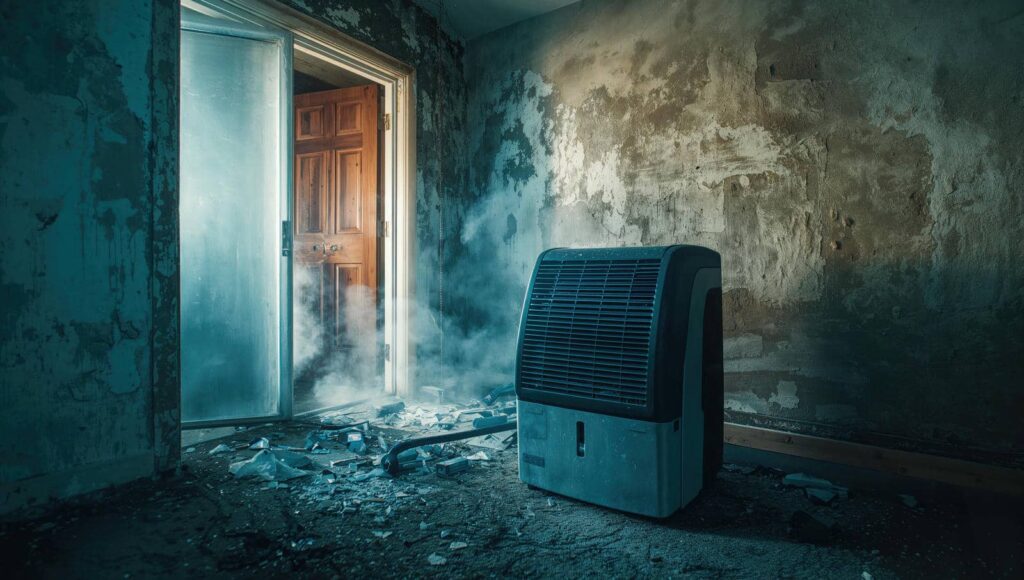
When dealing with a flooded basement, utilizing the right equipment is essential for effective structural drying. You’ll primarily need two types of equipment: dehumidifiers and air movers. Understanding dehumidifier types is vital; refrigerant dehumidifiers are ideal for warmer environments, while desiccant dehumidifiers excel in cooler conditions.
Air movers, designed to increase airflow and promote evaporation, come with various specifications. Look for models with high CFM (cubic feet per minute) ratings to guarantee peak performance. A combination of both equipment types not only accelerates the drying process but also helps prevent mold growth and structural damage.
Step-by-Step Drying Process
To effectively dry a flooded basement, you first need to assess the water damage thoroughly. This assessment guides your equipment setup procedures, ensuring you use the right tools for the job. By following these steps, you’ll streamline the drying process and minimize further damage.
Assessing Water Damage
How can you effectively evaluate water damage in a flooded basement? Start with water source identification; determine whether it’s a burst pipe, sewer backup, or groundwater intrusion. This step’s essential for understanding the nature of the damage. Next, move on to damage classification. Categorize the affected areas based on the extent of exposure—whether it’s clean, grey, or black water. Inspect materials like drywall, insulation, and flooring for saturation levels. Use moisture meters to quantify damage and identify hidden moisture pockets. Document your findings with photos and detailed notes, which will aid in the recovery process and insurance claims. By systematically evaluating the damage, you’ll set the stage for effective drying and restoration efforts.
Equipment Setup Procedures
Before initiating the drying process, it is crucial to strategically set up your equipment to guarantee maximum efficiency. Start by evaluating the layout of the affected area. Place dehumidifiers in corners to optimize moisture extraction and reduce humidity levels. Position air movers to facilitate effective airflow management; aim them at wet surfaces to enhance evaporation rates. Confirm that air movers are spaced adequately to maintain a consistent airflow pattern throughout the space. Monitor equipment placement regularly to adjust for any changes in moisture levels. Finally, keep doors and windows closed to prevent external factors from disrupting your drying efforts. Following these steps will help create an effective environment for successful structural drying.
Monitoring Moisture Levels
Effective moisture level monitoring is crucial for successful structural drying in flooded basements. By utilizing moisture sensors, you can accurately gauge the water content in various materials. This allows you to make informed decisions about when to adjust your drying equipment. Humidity tracking is equally important, as it helps maintain ideal drying conditions, preventing prolonged moisture exposure.
| Measurement Type | Recommended Level | Action Required |
|---|---|---|
| Wood Moisture | < 20% | Continue drying |
| Concrete Moisture | < 5% | Continue drying |
| Relative Humidity | < 60% | Monitor closely |
Regularly check these moisture levels to verify your drying process is effective. By staying proactive with monitoring, you’re not only protecting your property but also fostering a healthier environment for you and your family.
Preventing Mold Growth
To prevent mold growth in flooded basements, it is vital to address moisture levels promptly and effectively. Mold spores thrive in damp environments, so focusing on humidity control is important. Begin by drying out the affected area as quickly as possible using dehumidifiers and fans.
Here are some key steps to take into account:
- Inspect and Repair: Check for leaks in walls and pipes, and repair any damage to eliminate water sources.
- Ventilation: Guarantee proper airflow by opening windows and doors when safe, or using ventilation systems to reduce humidity.
- Regular Monitoring: Use hygrometers to monitor humidity levels, keeping them below 60% to discourage mold growth.
Post-Drying Restoration Techniques
Once you’ve successfully dried out the basement and managed moisture levels to prevent mold growth, it’s time to focus on restoration techniques that’ll bring your space back to its original condition. Effective restoration planning is essential, as it guarantees you address potential issues while restoring your basement.
Consider these post drying cleaning techniques:
| Priority | Action | Emotional Impact |
|---|---|---|
| High | Remove damaged materials | Sense of relief |
| Medium | Clean surfaces | Renewed hope |
| Low | Repaint & redecorate | Feeling of belonging |
Professional vs. DIY Drying Solutions
When faced with a flooded basement, you may wonder whether to hire professionals or tackle the drying process yourself. Both options have their merits, but understanding the differences can help you make an informed decision.
Consider these points:
- Professional Equipment: Experts use high-grade dehumidifiers and air movers that can considerably reduce drying time and prevent mold growth.
- DIY Methods: If you choose to go the DIY route, you can use common household items like fans and towels, but be cautious; inadequate drying can lead to long-term damage.
- Time and Expertise: Professionals not only save you time but also bring the expertise to handle hidden moisture that DIY methods may overlook.
Ultimately, if the situation is severe, investing in professional services might be the best route for ensuring your home stays safe and dry.
Frequently Asked Questions
How Long Does Structural Drying Typically Take for Flooded Basements?
Structural drying typically takes three to five days, depending on the severity of the flooding. Utilizing advanced drying techniques and specialized drying equipment speeds up the process, ensuring your basement returns to normal quickly and efficiently.
Can I Stay in My Home During the Drying Process?
You can stay in your home during the drying process, but make certain you’re staying safe. Drying equipment may create noise or disrupt your space, so assess the environment and prioritize your comfort and safety.
What Are the Health Risks Associated With Basement Flooding?
Flooded basements can be like a petri dish for mold growth. You might face respiratory issues from inhaling spores, which can aggravate allergies and asthma. Addressing moisture promptly is essential for your health and safety.
Will My Insurance Cover Structural Drying Costs?
Your insurance policies may cover structural drying costs, but it depends on coverage limits. Review your policy details and contact your provider to clarify what’s included, ensuring you understand your financial responsibilities in this situation.
How Can I Prevent Future Basement Flooding?
To prevent future basement flooding, focus on effective waterproofing techniques and reliable drainage solutions. Regular maintenance, proper grading, and installing sump pumps can greatly safeguard your space, ensuring dryness and durability for years to come.
Recap
In the grand scheme of homeownership, who knew that a little water could turn your basement into a swimming pool? By understanding structural drying, you’re not just fighting moisture; you’re safeguarding your investment and ensuring your home doesn’t become a moldy masterpiece. Remember, timely action and the right equipment are your best friends in this battle. So, don’t let a flood be the highlight of your home’s story—take control and dry it out before it writes an unwelcome chapter.
Recent Posts
10 Best Flood Damage Restoration Methods for Homes
When disaster strikes your home with flood damage, knowing the best restoration methods can make
Top Flood Damage Restoration Techniques for Homes
Floods can devastate homes, yet effective restoration flood damage techniques can bring them back to
Step-by-Step Guide for Ceiling Water Damage Repair
Imagine standing beneath a sagging ceiling, water stains spreading like dark clouds overhead. It’s essential