
Contents
Just as a ship must navigate treacherous waters after a storm, you must tackle the aftermath of flooding by effectively addressing mold cleanup. Understanding the extent of mold growth is essential, but so is ensuring your safety during the process. You’ll need to contain the affected area, remove contaminated materials, and employ thorough cleaning techniques. Each step is important to prevent future infestations, but where do you begin?
Key Takeaways
- Conduct thorough visual inspections and moisture meter assessments to identify areas affected by mold growth after flooding.
- Wear protective gear, including gloves, masks, and goggles, to ensure personal safety during the cleanup process.
- Seal off the affected area with plastic sheeting and use weather stripping to prevent mold spores from spreading to unaffected spaces.
- Remove contaminated porous materials, like carpets and drywall, and dispose of them according to local regulations to limit further mold growth.
- Clean and disinfect all surfaces using bleach or hydrogen peroxide solutions, scrubbing thoroughly to eliminate mold spores and prevent regrowth.
Assessing the Extent of Mold Growth
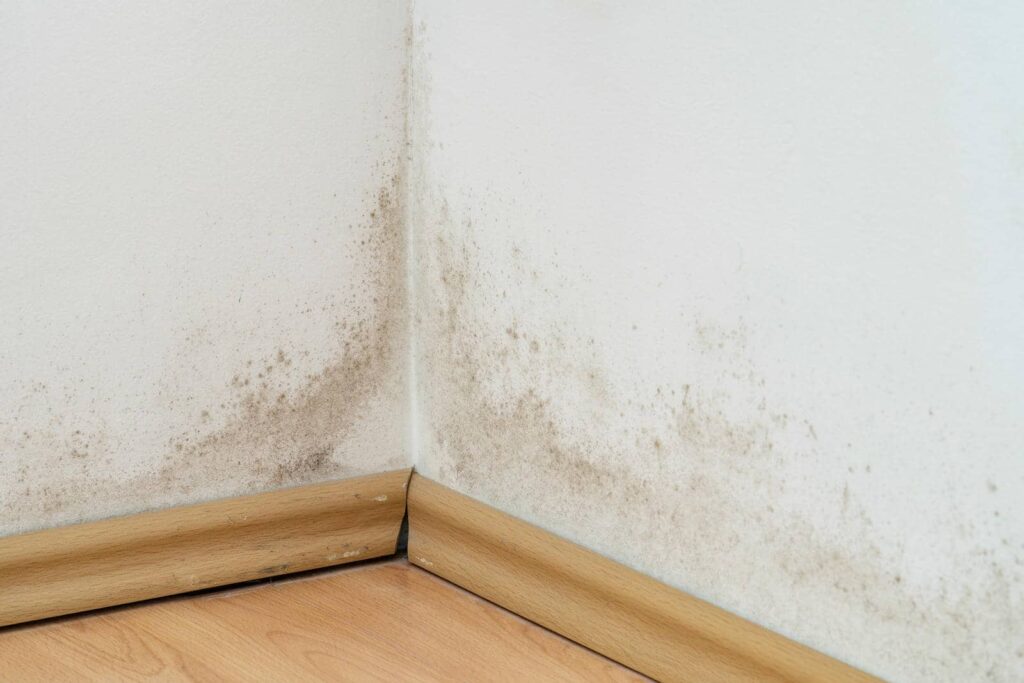
When you’re dealing with mold after flooding, understanding the extent of the growth is essential. Effective mold detection methods are your first line of defense. Visual inspections can help identify visible patches, but you shouldn’t stop there. Use moisture meters to assess hidden damp areas, as mold thrives in moisture-rich environments.
Additionally, air sampling can reveal airborne spores, giving you a clearer picture of the infestation. Once you’ve detected the mold, employ growth assessment techniques to evaluate its severity. This might involve measuring the size of affected areas or examining the material’s integrity.
Ensuring Personal Safety and Protection
When dealing with mold cleanup, wearing protective gear is essential to safeguard your health from harmful spores. You should also guarantee proper ventilation in the area to reduce airborne contaminants and promote airflow. Taking these precautions will greatly enhance your safety during the cleanup process.
Wear Protective Gear
Protecting yourself during mold cleanup is essential to your health and safety. You should wear appropriate protective clothing to minimize exposure to mold spores and other contaminants. This includes long-sleeved shirts, pants, and gloves made of materials that resist mold. Additionally, consider wearing a mask with a P100 respirator rating to filter out harmful particles in the air. Safety equipment like goggles can shield your eyes from irritants, ensuring you can work without discomfort. Always choose gear that fits well and is designed for mold cleanup, as this enhances your protection. Investing in the right protective gear not only safeguards your health but also fosters a sense of community among others who prioritize safety during similar cleanup efforts.
Ensure Proper Ventilation
To effectively manage mold cleanup, ensuring proper ventilation is essential for your safety and health. Good air circulation helps to disperse mold spores and reduce the risk of respiratory problems. Start by opening windows and doors to promote cross-ventilation, but be cautious of outdoor humidity levels. You can also use fans strategically to enhance airflow, directing them towards open windows. If possible, consider utilizing dehumidifiers to lower moisture levels, as excess humidity can fuel mold growth. Remember to monitor air quality throughout the process, and take breaks outdoors if you feel overwhelmed. By employing these ventilation techniques, you not only protect yourself but also create a healthier environment for everyone involved in the cleanup.
Containing the Affected Area
To effectively contain the affected area after a flood, you need to seal off all entry points to prevent mold spores from spreading. Using plastic barriers is essential, as they create a physical barrier that helps isolate contaminated zones. This proactive measure will safeguard unaffected areas and improve the overall cleanup process.
Seal Off Entry Points
As you begin the mold cleanup process, sealing off entry points is essential to contain the affected area and prevent spores from spreading to other parts of your home. Start with an entry point assessment to identify all possible access points, such as doors, windows, and vents. Once you’ve pinpointed these areas, employ effective sealing techniques, like using weather stripping or caulk, to close gaps. Don’t forget to cover any openings with plastic sheeting to further minimize airflow. By taking these steps, you create a controlled environment that limits mold exposure, ensuring the safety of your family. Remember, a thorough approach to sealing off entry points is vital for successful mold remediation and protecting your home.
Use Plastic Barriers
With the entry points sealed, it’s time to establish plastic barriers to contain the affected area. Using heavy-duty plastic sheeting, create a sealed environment around the flooded space. This step is essential to prevent mold spores from escaping to unaffected areas of your home, which is especially important after flood damage. Make sure the barriers are tightly secured, using tape to seal the edges and corners. This containment strategy not only helps limit the spread of mold but also protects your family from potential health risks associated with exposure. Remember, controlling the environment is key to successful mold cleanup, so take your time to set up these barriers effectively. Your efforts will contribute considerably to a safer living space.
Removing Contaminated Materials
Once you’ve assessed the extent of water damage, it is vital to begin removing contaminated materials promptly to prevent further mold growth. Effective removal techniques are significant in this phase, as they help guarantee a thorough cleanup. Here are four important steps to follow:
- Identify Contaminated Items: Look for porous materials like carpets, drywall, and insulation that can harbor mold.
- Use Proper Equipment: Wear gloves, masks, and goggles while handling contaminated materials to protect yourself from exposure.
- Carefully Remove Items: Carefully cut away and remove affected materials, placing them in heavy-duty trash bags to avoid spillage.
- Follow Disposal Methods: Dispose of contaminated materials according to local regulations to prevent environmental contamination.
Cleaning and Disinfecting Surfaces
After removing contaminated materials, the next step is to clean and disinfect surfaces to eliminate any residual mold spores and prevent future growth. Start by using effective disinfectant solutions, such as those containing bleach or hydrogen peroxide, which can tackle mold effectively. When applying these solutions, follow the manufacturer’s instructions for best results.
Utilize surface sanitization techniques, including scrubbing affected areas with a brush to dislodge stubborn spores. Don’t forget to rinse surfaces thoroughly afterward to guarantee no chemical residue remains. Pay special attention to high-touch areas, as they can be hot spots for mold regrowth.
Drying Out the Space
Drying out the space is essential in preventing mold growth after flooding. Effective moisture control is critical, as mold thrives in damp environments. Here are four key steps to guarantee proper drying:
- Remove Standing Water: Use pumps or wet vacs to eliminate any remaining water.
- Improve Air Circulation: Open windows and doors, and use fans to enhance airflow throughout the area. This will help moisture evaporate more quickly.
- Use Dehumidifiers: Set up dehumidifiers to reduce humidity levels, making it harder for mold to take hold.
- Inspect and Maintain: Regularly check the area for hidden moisture pockets and address any leaks immediately.
Preventing Future Mold Growth
Even with thorough drying methods, the risk of mold growth remains if preventive measures aren’t taken. To safeguard your space, consider using mold-resistant materials during renovations. These materials, like mold-resistant drywall and paints, can greatly reduce the chance of mold taking hold.
Additionally, humidity control is vital. Keep indoor humidity levels between 30% and 50% by using dehumidifiers, especially in damp areas like basements and bathrooms. Regularly check for leaks and promptly repair any water damage to minimize moisture accumulation.
Installing proper ventilation, such as exhaust fans, in high-moisture areas also helps maintain a dry environment. You might even want to invest in hygrometers to monitor humidity levels consistently. Fundamentally, the right combination of mold-resistant materials and effective humidity control will create a safe, healthy space for you and your loved ones, fostering a sense of belonging without the threat of mold.
Frequently Asked Questions
How Long Does Mold Take to Start Growing After Flooding?
Mold growth can start within 24 to 48 hours after flood damage occurs. If you don’t address the moisture quickly, you risk serious health issues and increased repair costs, making timely action essential for your safety.
Can I Use Bleach to Clean Mold?
Using bleach to clean mold is like using a band-aid on a deep cut; it masks the problem without fully addressing it. Consider bleach effectiveness versus mold alternatives, which may provide safer, more thorough solutions.
Is Mold Removal Covered by Homeowners Insurance?
Mold removal might be covered by your homeowners insurance, but it often depends on your policy specifics. Always check your insurance coverage for mold prevention provisions to guarantee you’re adequately protected against potential damages.
What Are the Health Risks of Mold Exposure?
Mold’s like a silent thief, stealing your health. You might experience mold symptoms like sneezing, coughing, and even respiratory issues. It’s essential to address mold exposure promptly to protect your well-being and maintain a safe environment.
When Should I Call a Professional for Mold Cleanup?
You should call a professional for mold cleanup if you notice extensive growth, lingering odors, or health symptoms. A mold inspection by professional services guarantees thorough assessment and effective remediation, safeguarding your home and well-being.
Review
By following these essential techniques for mold cleanup after flooding, you can effectively restore your space and safeguard your health. It’s often said that mold spores are everywhere, and while that’s true, the key lies in controlling moisture and ensuring thorough cleanup. Remember, mold thrives in damp environments, so staying diligent about ventilation and humidity can make a significant difference. With the right approach, you can conquer mold and create a healthier living environment for yourself and your family.
Recent Posts
10 Best Flood Damage Restoration Methods for Homes
When disaster strikes your home with flood damage, knowing the best restoration methods can make
Top Flood Damage Restoration Techniques for Homes
Floods can devastate homes, yet effective restoration flood damage techniques can bring them back to
Step-by-Step Guide for Ceiling Water Damage Repair
Imagine standing beneath a sagging ceiling, water stains spreading like dark clouds overhead. It’s essential