
Contents
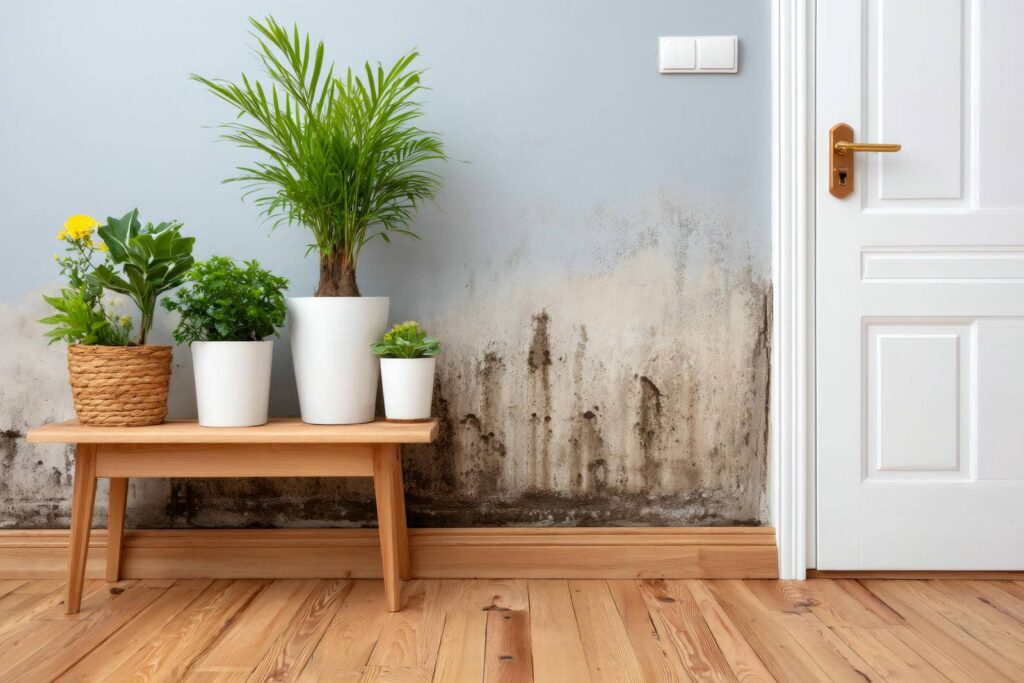
You might find it coincidental that even a small leak can lead to significant mold issues. When flooding occurs, swift and effective mold cleanup is essential to protect your health and property. Understanding the proper techniques can mean the difference between a safe home and ongoing problems. Let’s explore the top seven mold cleanup techniques that can help you tackle this pressing issue effectively.
Key Takeaways
- Assess and identify mold growth by inspecting for discoloration, moisture levels, and water damage in affected areas.
- Wear protective gear, including goggles, masks, gloves, and overalls, to avoid exposure to mold spores during cleanup.
- Remove contaminated materials, such as soaked carpets, compromised drywall, and wet insulation, to eliminate potential health risks.
- Clean surfaces with a suitable disinfectant, allowing it to sit for the recommended time, and ensure thorough drying afterward.
- Utilize dehumidifiers and maintain indoor humidity levels between 30-50% to prevent future mold growth and promote a healthier environment.
Assess the Extent of Mold Growth
Before you can effectively tackle mold cleanup, you must first assess the extent of mold growth in your space. Start by employing mold identification techniques to pinpoint visible signs of mold. Look for discoloration on walls, ceilings, and hidden areas like behind appliances. Next, use moisture assessment methods to evaluate humidity levels and water damage. A moisture meter can help you determine if surfaces are damp, indicating potential mold growth.
Don’t forget to check areas prone to humidity, such as bathrooms and basements. If you suspect hidden mold, consider using an air quality test kit to measure mold spores in the air. This thorough evaluation will guide your cleanup efforts and guarantee you address the problem effectively. By understanding the scope of mold growth, you can create a more focused and efficient remediation plan, fostering a healthier environment for you and your loved ones.
Use Protective Gear
When tackling mold cleanup after flooding, wearing essential safety equipment is vital to protect yourself from harmful spores. Proper disposal methods for contaminated materials also play a key role in preventing further mold spread and ensuring a safe environment. Prioritizing your safety not only safeguards your health but also enhances the effectiveness of your cleanup efforts.
Essential Safety Equipment
To effectively tackle mold cleanup after flooding, equipping yourself with essential safety gear is crucial. This gear safeguards your health and guarantees you’re prepared for the task ahead. Key items include safety goggles to protect your eyes from mold spores and irritants, and respirator masks to filter out harmful particles in the air.
Here’s a breakdown of essential equipment you’ll need:
| Equipment | Purpose |
|---|---|
| Safety Goggles | Protects eyes from mold spores |
| Respirator Masks | Filters harmful airborne particles |
| Gloves | Shields hands from irritants |
| Overalls | Protects skin and clothing |
| Boot Covers | Keeps feet safe and dry |
Proper Disposal Methods
Proper disposal methods are crucial in effectively managing mold cleanup after flooding, and using protective gear is non-negotiable. Start by wearing gloves, masks, and goggles to shield yourself from hazardous waste. When collecting moldy materials, use biodegradable bags to guarantee environmentally-friendly disposal. This not only protects you but also minimizes your impact on the planet. Properly seal these bags to prevent spore release during transport. Check local regulations for hazardous waste disposal, as improper handling can pose serious health risks. By following these guidelines, you contribute to a safer environment for yourself and your community. Remember, thorough disposal is an essential step in preventing mold resurgence and guaranteeing your space is safe and healthy.
Remove Contaminated Materials
Since floodwaters often carry contaminants, removing contaminated materials is essential for preventing mold growth and ensuring a safe environment. This step is vital in mold removal and safeguarding your health. Begin by identifying materials that can’t be salvaged, as they may harbor harmful bacteria or mold spores.
- Carpets and rugs: If soaked, these should be discarded.
- Drywall: Remove sections that have been compromised by moisture.
- Insulation: Wet insulation can trap moisture, so it’s best to replace it.
- Furniture: Dispose of items that have absorbed water and can’t be adequately cleaned.
Clean and Disinfect Surfaces
Once you’ve removed contaminated materials, it’s crucial to clean and disinfect all affected surfaces to eliminate any remaining mold spores and prevent future growth. Start with effective surface sanitization techniques, such as using a mixture of water and a suitable disinfectant. When selecting a disinfectant, consider the disinfectant selection criteria, including efficacy against mold, safety for indoor use, and compatibility with surfaces.
Apply the disinfectant generously and allow it to sit for the recommended dwell time to maximize effectiveness. Don’t forget high-touch areas, like doorknobs and countertops, as these can harbor spores. After disinfecting, rinse with clean water if required, and make sure surfaces dry thoroughly. This thorough approach not only protects your living space but also fosters a sense of security for you and your family. By prioritizing cleanliness, you’re actively contributing to a healthier environment and preventing future mold issues.
Utilize Dehumidifiers
To effectively control moisture after flooding, it’s essential to utilize dehumidifiers in your cleanup process. By reducing humidity levels, you can greatly prevent mold growth, which thrives in damp environments. Taking this step not only aids in mold prevention but also creates a healthier living space.
Effective Moisture Control
While addressing mold issues after flooding, effective moisture control is essential, and utilizing dehumidifiers is one of the most efficient methods. Dehumidifiers help reduce humidity levels, creating an environment less conducive to mold growth. Here are a few reasons to integrate them into your cleanup strategy:
- Rapid moisture removal: Dehumidifiers extract moisture quickly, minimizing water damage.
- Humidity control: They maintain indoor humidity levels between 30-50%, crucial for effective moisture barriers.
- Prevention of mold spores: By lowering humidity, dehumidifiers inhibit mold spores from thriving.
- Improved air quality: A drier environment leads to fresher air, reducing allergens and irritants.
Incorporating dehumidifiers into your cleanup process is essential for achieving lasting results and ensuring a healthier living space.
Prevent Mold Growth
Utilizing dehumidifiers is essential for preventing mold growth in spaces affected by flooding. These devices effectively reduce humidity levels, making it difficult for mold spores to thrive. By maintaining indoor humidity below 60%, you take critical preventive measures against mold development. Additionally, consider using mold resistant materials in your home, such as treated drywall and paints designed to inhibit mold growth. This combination of dehumidification and resilient materials not only protects your living spaces but also fosters a sense of belonging in a safe, healthy environment. Remember, consistent monitoring and maintenance of humidity levels are key to long-term protection. By taking these steps, you can guarantee your home remains a mold-free haven after flooding.
Implement Air Filtration
Implementing air filtration is essential after flooding to minimize the health risks associated with mold spores and other particulates. By improving your indoor air quality, you can create a healthier environment for everyone in your home. Here are key benefits of using filtration systems post-flooding:
- Reduces airborne mold spores: Effective systems capture and eliminate spores before they settle.
- Improves overall air quality: Cleaner air promotes better respiratory health for your family.
- Prevents future infestations: Maintaining clean air helps deter mold growth.
- Enhances comfort: A well-filtered space feels fresher and more inviting.
When selecting air filtration systems, look for HEPA filters, which are proven to trap smaller particles. Regular replacement of filters is vital to maintain their efficiency. By prioritizing air filtration, you’re taking a proactive step in ensuring the safety and well-being of your household after a flood.
Monitor for Recurrence
After addressing the immediate mold issues post-flood, it’s crucial to monitor for recurrence to guarantee long-term safety and health in your home. Start by inspecting areas prone to recurring moisture, such as basements, bathrooms, and kitchens. Regularly check for leaks, condensation, and water damage; these are often the culprits behind mold regrowth.
It’s also essential to evaluate environmental factors that could influence mold development. High humidity levels can promote mold growth, so using a dehumidifier in damp areas can be beneficial. You should maintain proper ventilation throughout your home to reduce moisture accumulation.
Implementing these monitoring strategies will help you identify potential issues before they escalate. Keep a close eye on any signs of mold, and act quickly if you notice any recurrence. By staying proactive, you not only protect your living space but also foster a healthier environment for you and your loved ones.
Frequently Asked Questions
How Long Does It Take for Mold to Grow After Flooding?
After flooding, mold growth can begin in as little as 24 to 48 hours if conditions are right. Addressing flood damage promptly is essential to prevent widespread mold issues and protect your home’s integrity.
Can I Use Bleach to Clean Mold?
Using bleach to clean mold is like using a band-aid on a deep cut—it masks the problem but doesn’t eliminate it. Explore mold alternatives for greater effectiveness and long-term prevention, ensuring a healthier environment.
Is Mold Removal Covered by Homeowners Insurance?
Whether mold removal’s covered by homeowners insurance often depends on your policy. You’ll need a mold inspection to support insurance claims, so check your coverage details to make certain you’re protected against unexpected mold issues.
How Can I Prevent Mold After Cleanup?
To prevent mold after cleanup, focus on humidity control. Use dehumidifiers and guarantee proper ventilation. Regularly check for leaks and maintain cleanliness. These mold prevention tips will help create a healthier, more comfortable environment for you.
What Are the Health Risks of Mold Exposure?
You might not realize the dangers lurking in damp spaces. Mold symptoms can include respiratory issues, allergies, and irritation. Recognizing these risks is essential to safeguarding your health and creating a safe environment for everyone.
Recap
Effectively tackling mold after flooding is more than just a cleanup task; it’s a critical step in safeguarding your health and home. By evaluating mold growth, using protective gear, and removing contaminated materials, you’re not just restoring your space, but also preventing potential long-term health risks. Remember, consistent monitoring and controlling humidity are key. The truth is, taking proactive measures now can save you from costly repairs and health issues down the road.
Recent Posts
10 Best Flood Damage Restoration Methods for Homes
When disaster strikes your home with flood damage, knowing the best restoration methods can make
Top Flood Damage Restoration Techniques for Homes
Floods can devastate homes, yet effective restoration flood damage techniques can bring them back to
Step-by-Step Guide for Ceiling Water Damage Repair
Imagine standing beneath a sagging ceiling, water stains spreading like dark clouds overhead. It’s essential