
Contents
After a flooding event, dealing with the aftermath is often less than pleasant. To effectively tackle mold cleanup, you need a well-structured approach that prioritizes safety and thoroughness. Evaluating the extent of mold growth is essential, as it determines the next steps. With the right techniques, you can protect your health and property. Understanding the full scope of the cleanup process will guarantee lasting results and prevent future issues.
Key Takeaways
- Remove all contaminated materials like drywall and carpeting promptly to prevent mold spread.
- Use dehumidifiers and fans to reduce moisture levels and enhance air circulation during drying.
- Apply eco-friendly mold removal solutions that are effective and safe for indoor use.
- Wear appropriate personal protective equipment (PPE) such as gloves and masks to ensure safety during cleanup.
- Consider professional help for extensive mold growth or if structural damage is suspected after flooding.
Assessing the Extent of Mold Growth
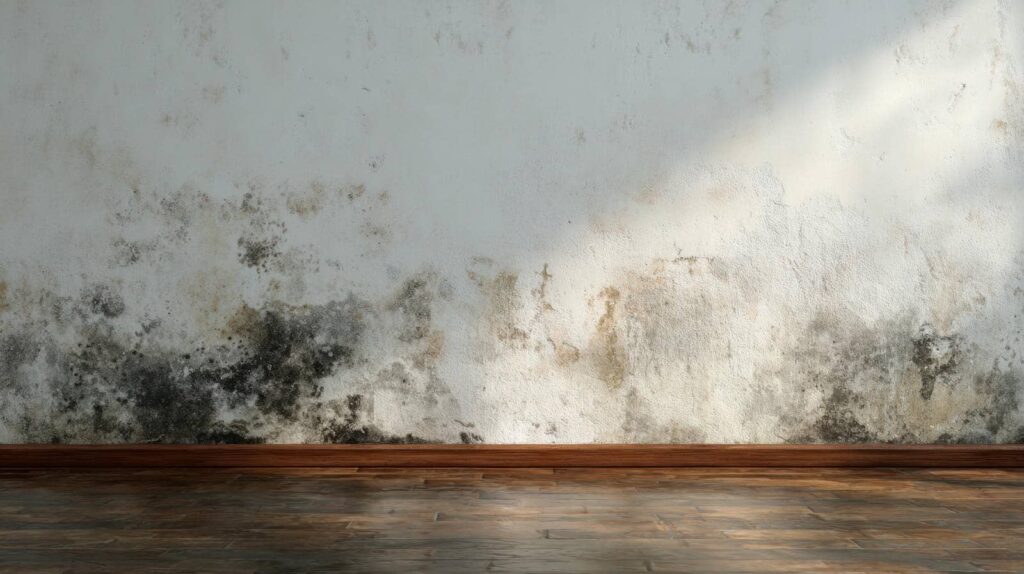
Before tackling mold cleanup, it is crucial to assess the extent of mold growth in your environment. Start by identifying mold growth indicators, such as visible patches on walls, ceilings, or hidden areas like behind appliances. Musty odors can also signal a problem, alerting you to underlying moisture issues. As you survey the space, check for water stains or discoloration, which often suggest prior moisture exposure and potential mold proliferation.
Assessing damage involves not just what you can see but also what’s behind surfaces. Use moisture meters to evaluate dampness in materials, as high levels can indicate active mold growth. Document your findings systematically, noting affected areas and the severity of damage. This thorough assessment will guide you in determining the necessary cleanup steps, ensuring you effectively address the situation and restore a safe, healthy environment for everyone involved.
Ensuring Safety Precautions
When tackling mold cleanup, prioritizing safety is essential. You should wear appropriate personal protective equipment (PPE) to shield yourself from spores and toxins, while also ensuring proper ventilation and airflow in the area. By combining these precautions, you can greatly reduce health risks during the cleanup process.
Personal Protective Equipment
Personal protective equipment (PPE) is essential for anyone tackling mold cleanup, as it safeguards against potential health risks associated with mold exposure. To guarantee your safety, wear appropriate protective gear, including gloves, goggles, and a mask rated for mold spores. These items help minimize direct contact with mold and prevent inhalation of harmful particles. Following safety guidelines is vital; inspect your gear before use and replace any damaged items. Consider using full-body suits for extensive mold infestations, as they provide thorough protection. Remember, prioritizing your health during mold cleanup not only protects you but also sets a positive example for others involved in the process. Equip yourself properly, and you’ll foster a sense of belonging in a community that values safety.
Ventilation and Airflow
Proper ventilation and airflow play an essential role in mold cleanup, complementing the protective measures provided by personal protective equipment. To effectively manage mold growth, you need to guarantee adequate air circulation throughout the affected area. Open windows and doors to allow fresh air in while using fans to enhance airflow. This helps lower humidity levels, which is critical for humidity control in combating mold. Remember, stagnant air can nurture mold spores, so aim for continuous movement. Additionally, consider using dehumidifiers to further reduce moisture in the space. By prioritizing ventilation, you create a safer environment for yourself and others while effectively addressing the mold issue. Taking these precautions fosters a sense of community and shared responsibility in promoting a healthier living space.
Removing Contaminated Materials
Removing contaminated materials is an important step in effective mold cleanup, as it helps prevent further contamination and health risks. Begin by identifying contaminated materials like drywall, carpeting, and insulation that have been exposed to water and are showing signs of mold growth. It’s vital to act quickly; the longer these materials remain, the more extensive the contamination can become.
Once you’ve identified these materials, carefully remove them to minimize the spread of mold spores. Use appropriate protective gear, including gloves and masks, during this process. After removal, you’ll need to focus on disposing of hazardous waste properly. Follow local regulations for hazardous waste disposal to guarantee safety and compliance. This attention to detail not only protects your health but also contributes to the well-being of your community. By taking these steps, you’re paving the way for a safer, mold-free environment.
Thorough Cleaning With Mold-Removal Solutions
When tackling mold cleanup, selecting effective mold-removal solutions is essential for thorough cleaning. You’ll also need to implement safety precautions to protect yourself from exposure to harmful spores. Understanding both the right products and safety measures guarantees a successful cleanup process.
Selecting Effective Solutions
To effectively tackle mold issues, selecting the right mold-removal solutions is essential. Start by evaluating eco-friendly solutions, as they not only eliminate mold but also contribute to a healthier environment. Look for products containing natural ingredients that effectively destroy mold without harsh chemicals. When considering these solutions, integrate mold prevention strategies into your cleaning routine. This could involve regular inspections, maintaining low humidity levels, and ensuring proper ventilation in your home. By choosing the right products and adopting preventive measures, you can create a safer living space for yourself and your loved ones. Remember, effective mold cleanup isn’t just about removal; it’s about fostering a sustainable, mold-free environment for everyone.
Safety Precautions Required
Before diving into mold removal, it’s crucial to prioritize your safety to prevent health risks. Start by familiarizing yourself with emergency protocols, making certain you have the right protective gear like gloves, masks, and goggles. These items shield you from airborne spores and harmful chemicals in mold-removal solutions. Confirm proper ventilation in the area you’re cleaning; open windows and use fans to circulate air. When applying mold-removal solutions, follow the manufacturer’s instructions carefully to minimize any adverse reactions. Always keep a first-aid kit handy and know the signs of mold-related health issues, such as respiratory problems or skin irritation. By taking these steps, you’ll not only protect yourself but also contribute to a safer environment for others.
Drying and Dehumidifying Affected Areas
Although mold spores can thrive in damp environments, effectively drying and dehumidifying affected areas is essential for preventing further growth and ensuring a thorough cleanup. You’ll want to focus on moisture control and air circulation to eliminate excess humidity. Here are some practical steps to follow:
- Use dehumidifiers to reduce moisture levels quickly.
- Open windows and doors to enhance air circulation.
- Employ fans to facilitate airflow and speed up drying.
- Remove wet materials like carpets or drywall that can harbor mold.
Applying Mold Inhibitors
After you’ve managed to dry and dehumidify the affected areas, applying mold inhibitors can help prevent future outbreaks. These mold prevention strategies are essential for maintaining a healthy environment in your home. Chemical mold inhibitors, available in various forms, can effectively reduce the likelihood of mold growth on surfaces.
When choosing a mold inhibitor, consider the specific needs of your space. Some products are designed for porous materials, while others work best on non-porous surfaces. Always follow the manufacturer’s instructions to guarantee maximum effectiveness.
Applying these inhibitors after cleaning can create a protective barrier, enhancing your mold prevention efforts. Don’t forget to reapply them periodically, especially in high-humidity areas like bathrooms and basements. By integrating mold inhibitors into your regular cleaning routine, you’ll foster a safer, healthier living space for you and your loved ones, reinforcing your commitment to a mold-free home.
Monitoring for Future Mold Growth
To effectively prevent future mold growth, it’s important to monitor your home regularly for signs of moisture and mold. Keeping a vigilant eye can help you catch any issues before they escalate. Mold spores thrive in humid conditions, so managing humidity levels is vital. Here are some effective monitoring techniques:
- Inspect areas prone to moisture: Check bathrooms, kitchens, and basements regularly for leaks or condensation.
- Use a hygrometer: This device measures humidity levels; ideally, keep them below 60%.
- Look for visible mold: Regularly check walls, ceilings, and hidden corners for any signs of mold growth.
- Be aware of musty odors: Unusual smells can indicate mold presence, signaling the need for immediate inspection.
Seeking Professional Help When Necessary
When mold issues become overwhelming or extensive, seeking professional help is essential to guarantee effective remediation. Mold specialists possess the expertise and equipment necessary to tackle severe infestations that may be beyond your capabilities. Restoration services can restore your home while ensuring a safe, healthy environment for you and your family.
Here’s a quick comparison of when to DIY versus hire professionals:
| Situation | DIY Approach | Professional Help |
|---|---|---|
| Small patches of mold | Safe and manageable | Often unnecessary |
| Extensive growth | Risky and inefficient | Necessary for safety |
| Hidden mold | Challenging to find | Expert detection |
| Health concerns arise | Self-treating risks | Provides peace of mind |
| Structural damage suspected | Limited effectiveness | thorough solutions |
Frequently Asked Questions
Can I Use Bleach to Kill Mold on Surfaces?
You can use bleach for mold removal, but its effectiveness is limited to non-porous surfaces. It doesn’t penetrate deeply, so consider alternative methods for more thorough mold eradication, especially on porous materials like wood or drywall.
How Long Does Mold Remain a Health Risk After Cleanup?
After cleanup, mold can still pose health risks for weeks or months if not properly managed. Understanding the mold regrowth timeline is essential to prevent lingering health effects, ensuring a safe environment for everyone involved.
What Are the Signs of Hidden Mold in My Home?
You should watch for hidden mold signs like musty odors, water stains, or unexplained health issues. Employ mold detection methods, including moisture meters and air quality tests, to identify and address potential mold problems effectively.
Is It Safe to Return Home During Mold Cleanup?
When it comes to mold safety, you shouldn’t rush back home without a proper assessment. Make certain professionals evaluate the area first; your health is paramount, and it’s better to be safe than sorry.
How Can I Prevent Mold After a Flood?
To prevent mold after a flood, control moisture levels by using dehumidifiers and guarantee proper air circulation. Keep your home well-ventilated, and promptly address any leaks or damp areas to maintain a healthy environment.
Summary
Tackling mold after flooding isn’t just about cleaning; it’s a battle for your home and health! By evaluating mold growth, ensuring safety, and removing contaminated materials, you’re not just combating an invader but fortifying your living space against a mold army. Remember to dry and dehumidify thoroughly and use mold inhibitors to keep your home fortress intact. Don’t underestimate the importance of vigilance—your proactive steps today can prevent a mold takeover tomorrow!
Recent Posts
10 Best Flood Damage Restoration Methods for Homes
When disaster strikes your home with flood damage, knowing the best restoration methods can make
Top Flood Damage Restoration Techniques for Homes
Floods can devastate homes, yet effective restoration flood damage techniques can bring them back to
Step-by-Step Guide for Ceiling Water Damage Repair
Imagine standing beneath a sagging ceiling, water stains spreading like dark clouds overhead. It’s essential