
Contents
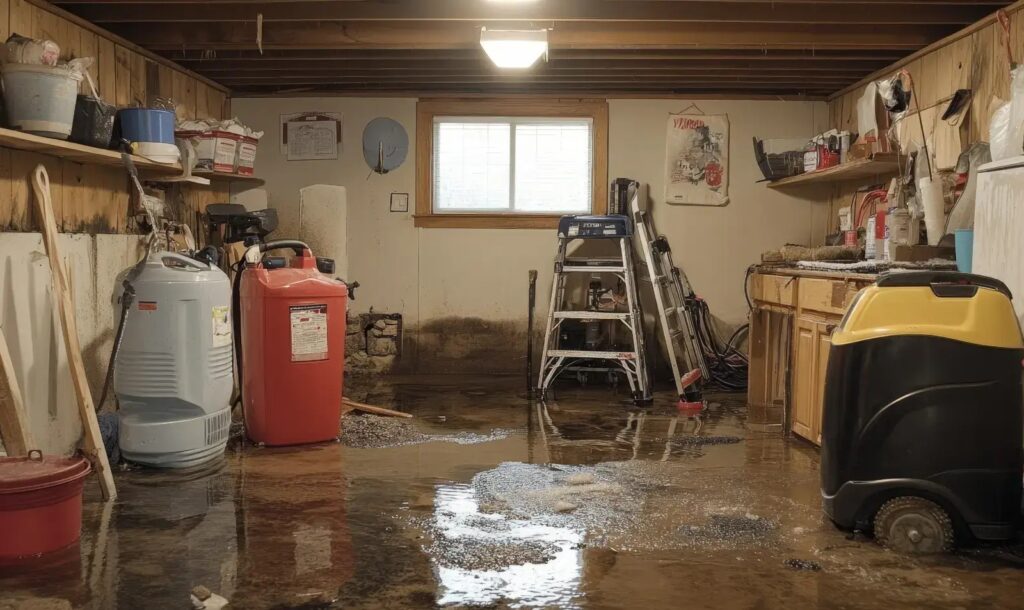
When your basement floods, it can feel overwhelming, but you don’t have to break the bank to restore it. You can tackle the situation with the right tools and techniques. From effective water extraction methods to affordable drying strategies, there are practical solutions available. Plus, you can tap into community resources for additional support. Let’s explore how you can manage the restoration process efficiently and cost-effectively.
Key Takeaways
- Utilize a wet/dry vacuum for effective DIY water removal from your basement without hiring professionals.
- Rent a portable dehumidifier to reduce moisture levels and prevent mold growth in the affected area.
- Place fans strategically to enhance airflow and speed up the drying process in damp locations.
- Apply mold-resistant paint to walls after restoration to protect against future moisture issues.
- Implement proper drainage systems and yard grading to prevent future flooding and water accumulation.
Assessing Water Damage and Identifying Key Areas
How do you know where to start when evaluating water damage in your basement? Begin with a thorough water damage assessment. Look for signs like discoloration, mold, or warped materials. These indicators can help you identify key areas that need attention. Start by checking the walls, floors, and any exposed pipes. Pay special attention to corners and around windows, as these areas are prone to leaks.
Don’t forget about your insulation and any stored items; they can absorb moisture and exacerbate the problem. Take notes on what you find, as this will guide your restoration efforts.
Once you’ve pinpointed the affected areas, you’ll be better equipped to address the damage effectively. Remember, the sooner you act, the less costly and time-consuming the repairs will be. You’re not alone in this; with a little effort, you can reclaim your basement and make it a space you can truly enjoy.
Essential Tools for DIY Restoration
When tackling basement flood restoration, having the right tools can make all the difference. You’ll want to gather must-have equipment like wet/dry vacuums and dehumidifiers, along with essential safety gear such as gloves and masks. With the right supplies on hand, you’ll be better prepared to tackle the mess and restore your space effectively.
Must-Have Equipment
Restoring a flooded basement can feel overwhelming, but having the right equipment makes the process much more manageable. Essential restoration tools can help you tackle water damage effectively and save money. Here’s a handy list of must-have equipment for your DIY restoration project:
| Tool | Purpose |
|---|---|
| Wet/Dry Vacuum | Removes standing water |
| Dehumidifier | Reduces humidity and prevents mold |
| Fans | Circulates air for drying |
| Mop & Buckets | Cleans up residual water |
With these tools, you’ll feel more empowered to handle the cleanup. Remember, tackling water damage isn’t just about the tools; it’s about creating a safe, welcoming space for you and your loved ones.
Safety Gear Essentials
While having the right equipment is essential for tackling water damage, ensuring your safety during the restoration process can’t be overlooked. Start by gathering your safety gear. Invest in durable, waterproof gloves to protect your hands from contaminants. Don’t forget sturdy rubber boots; they’ll keep your feet dry and safe from sharp objects. A quality dust mask is vital to avoid inhaling mold spores and dust, while goggles shield your eyes from debris. Finally, wear protective clothing like long-sleeved shirts and pants to minimize skin exposure. By prioritizing your safety gear, you create a secure environment that allows you to focus on restoration. Remember, a safe restoration process protects you and fosters a sense of community among fellow DIYers.
Cost-Effective Water Extraction Methods
When you’re facing a flooded basement, knowing your water extraction options can save you money. You can choose from DIY water removal techniques, rent equipment, or even use natural drying solutions to tackle the problem effectively. Let’s explore these budget-friendly methods to help you get your basement back to normal without breaking the bank.
DIY Water Removal Techniques
If your basement has flooded, tackling the water removal process yourself can save you money and give you a sense of accomplishment. Start by conducting a moisture assessment to identify the areas most affected. For water extraction, grab a wet/dry vacuum if you have one; it’s perfect for small floods. Use mops and towels for any remaining moisture, and don’t forget to ventilate the space by opening windows or using fans. If you have access to a sump pump, that’s an excellent option for larger volumes of water. Remember, it’s essential to wear protective gear and take breaks as needed. With these DIY techniques, you’ll restore your basement and feel proud of your efforts!
Renting Equipment vs. Hiring
After you’ve tackled the initial water removal with DIY techniques, you might be wondering about the best approach for more extensive flooding. You have two main options: renting equipment or hiring professional services. Each has its pros and cons.
- Renting Equipment: You can save on labor costs, but you need to manage the equipment yourself.
- Professional Services: Offers expertise and efficiency, but equipment costs can be higher.
- Time and Effort: Consider how much time you’re willing to invest in the cleanup process.
Ultimately, weigh the equipment costs against the convenience and expertise of hiring professionals. This decision can greatly impact your restoration journey, so choose the option that best aligns with your needs and budget.
Natural Drying Solutions
While professional equipment can be effective, natural drying solutions offer a cost-effective way to extract water from your basement. You can utilize simple evaporation methods, like opening windows and doors, to enhance air circulation. This helps moisture evaporate more quickly, making your basement feel fresher. Fans can also be a game-changer; placing them strategically boosts airflow and speeds up drying. If it’s sunny outside, consider using the warmth to your advantage—sunlight can greatly aid in drying out damp areas. Additionally, absorbent materials like towels or mops can help soak up excess water. By combining these methods, you’ll save money and feel empowered in restoring your space. Embrace these steps, and you’ll cultivate a welcoming environment again.
Budget-Friendly Drying Techniques
When your basement floods, quick and affordable drying techniques can make a world of difference. You don’t need to break the bank to restore your space effectively. Here are some budget-friendly drying methods that you can try:
- Dehumidifier options: Renting or buying a portable dehumidifier can help remove moisture from the air and accelerate drying.
- Fan placement: Strategically place fans around the room to create airflow, directing them toward damp areas to speed up evaporation.
- Open windows and doors: If the weather permits, open windows and doors to promote cross-ventilation, allowing fresh air to circulate and help dry out the basement.
Affordable Mold Prevention Strategies
Preventing mold in your basement doesn’t have to be expensive or complicated. Start by applying mold-resistant paints on your walls. These paints create a protective barrier, helping to keep moisture at bay. It’s a simple yet effective solution that can save you from costly mold issues down the line.
Next, focus on ventilation improvements. Verify your basement has proper airflow by installing vents or using fans to circulate air. Consider a dehumidifier to maintain ideal humidity levels, ideally between 30-60%. This helps create an environment where mold struggles to thrive.
Also, regularly check for any leaks or water damage, and address them immediately. Small actions like these can make a big difference in keeping your basement mold-free. By taking these budget-friendly steps, you can protect your space and create a healthier home for you and your family.
Community Resources and Assistance Programs
Finding community resources and assistance programs can greatly ease the burden of basement flood restoration. Connecting with local assistance can provide you with valuable support, both financially and emotionally. Many community programs are designed to help residents recover after flooding, offering access to resource networks that can guide you through the restoration process.
Here are some options to evaluate:
- Local Government Grants: Check for funding options that your city or county may offer for flood recovery.
- Nonprofit Organizations: Reach out to local nonprofits that specialize in disaster recovery; they often have tools and resources at your disposal.
- Community Workshops: Attend workshops or informational sessions that can enhance your knowledge about restoration techniques and available support.
Long-Term Solutions to Prevent Future Flooding
After exploring community resources for immediate flood recovery, it’s important to think about long-term solutions that can protect your home from future flooding. One effective way to start is by investing in proper drainage systems. These systems can direct water away from your foundation, greatly reducing the risk of water damage.
Additionally, installing a sump pump is a smart move. This device can remove excess water from your basement, especially during heavy rainfall. Regular maintenance of both the drainage systems and sump pumps is essential to ensure they function effectively when you need them most.
You might also consider grading your yard to slope away from your home, further preventing water accumulation. By taking these proactive measures, you safeguard your home and create a sense of security and belonging in your community. Remember, a little effort now can save you from major headaches down the line.
Frequently Asked Questions
How Can I Prevent Future Basement Flooding Effectively?
To effectively prevent future basement flooding, you’ll want to implement proper drainage solutions and explore waterproofing techniques. Regular maintenance and inspections can help you safeguard your space, ensuring a dry and welcoming environment for everyone.
What Insurance Covers Basement Flood Restoration Costs?
Check your insurance policies for water damage coverage. Many homeowners’ plans include basement flood restoration, but coverage limits vary. You might need additional flood insurance for full protection, so review your options carefully.
Are There Any Government Grants for Flood Restoration?
Imagine a lifebuoy tossed to you in turbulent waters. You can explore federal assistance programs for flood relief, which may offer grants to help restore your home. Check local resources; you’re not alone in this struggle.
How Long Does the Restoration Process Typically Take?
The restoration timeline usually spans one to two weeks, depending on damage severity. You’ll navigate project phases like assessment, drying, and repairs, ensuring your space returns to normal efficiently and effectively, creating a comforting environment again.
Can I Hire Professionals for Specific Restoration Tasks Only?
While you might handle some tasks yourself, hiring professionals for specific tasks often ensures better results. Their expertise provides valuable professional advice, helping you navigate complexities and achieve a thorough restoration that meets your needs.
Recap
In the face of a basement flood, you’re not alone; with a bit of resourcefulness, you can turn chaos into control. By harnessing essential tools and cost-effective methods, you can tackle water damage while keeping your budget intact. The contrast between despair and determination is where your strength lies. With community support and proactive strategies, you’ll restore your space and fortify it against future floods. Embrace the journey toward a drier, safer basement!
Recent Posts
Why Use Proper Sewage Cleanup Techniques After Flooding?
Floodwaters can carry a range of harmful pathogens, turning what seems like a simple inconvenience
Top Sewage Cleanup Methods for Flood Damage
When it comes to flood damage, the aftermath can feel overwhelming. Have you considered the
10 Best Practices for Mold Remediation After Flooding
Isn’t it alarming how quickly mold can take root after flooding? Addressing this issue requires