
Contents
After property damage, property damage restoration insurance claims require you to move quickly, document everything, and protect your claim from the start. Photograph the damage before cleanup, notify your insurer promptly, and review your policy limits so you understand what may be covered. The adjuster’s estimate, your receipts, and any denial letter can all affect the claim, but the real challenge often begins when the payout doesn’t match the extent of the damage.
Key Takeaways
- Ensure safety first, then notify your insurer and restoration team immediately after property damage occurs.
- Document all damage with photos, videos, and itemized lists before cleanup or repairs begin.
- Review your policy’s coverage limits, deductibles, exclusions, and payout basis before accepting any settlement.
- Keep detailed records of receipts, estimates, and all communications to support reimbursement and claims tracking.
- If a claim is denied or undervalued, request a written explanation and appeal with organized evidence.
What To Do After Property Damage
After property damage, you should act quickly to protect your safety, limit further loss, and preserve your insurance claim. You belong in a process that rewards prompt, careful action.
Shut off utilities if you can do so safely, move away from hazards, and contact emergency services when needed. Then notify your insurer and your restoration team without delay.
Your property damage restoration insurance claims guide should help you understand your policy duties, deadlines, and coverage limits. Keep receipts for immediate protective measures, since insurers often reimburse reasonable expenses.
Don’t discard damaged items unless they create danger. You’ll strengthen your position by following instructions from qualified professionals and by staying organized.
Clear, decisive action now helps you reclaim stability and support a fair recovery.
Document Damage Before Cleanup
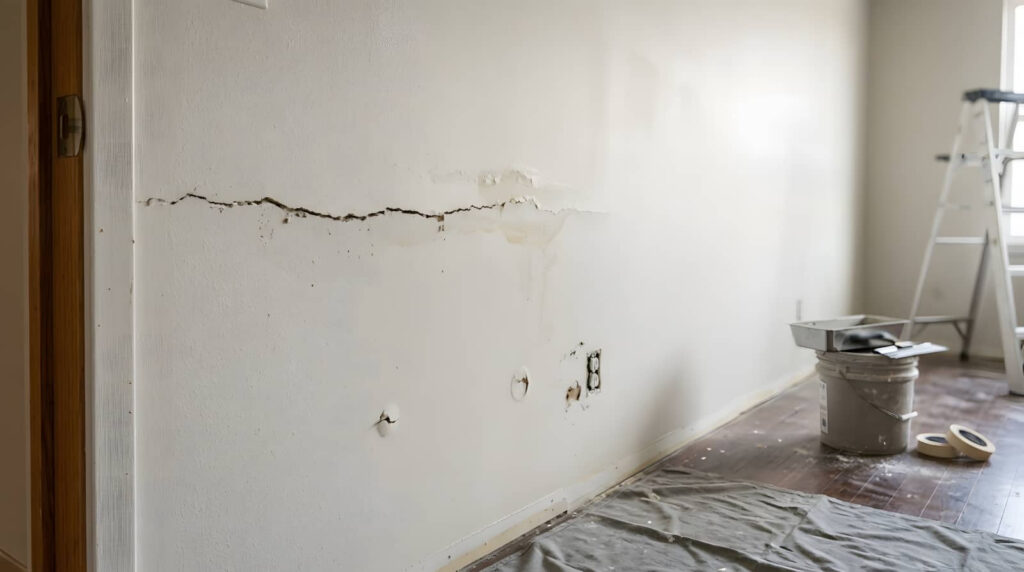
Before cleanup begins, you should document every visible sign of damage with clear photos and video from multiple angles, including wide shots that show the full scene and close-ups that capture specific losses.
You should capture ceilings, floors, walls, belongings, and structural issues before anyone moves them. Keep your phone steady, and narrate what each image shows so the record stays precise.
If safe, include timestamps and preserve digital copies in more than one place. You should also list damaged items with brief descriptions, approximate ages, and visible conditions.
This careful record strengthens your position and helps your insurer understand the full scope of loss. By acting with discipline now, you protect your claim and stand with homeowners who expect fair treatment.
File Your Property Damage Claim Fast
File your property damage claim as soon as you can, because delay can weaken evidence, complicate coverage review, and slow your recovery.
You protect your rights by notifying your insurer promptly and giving a clear, factual summary of what happened. Include the date, location, cause, and a brief description of affected rooms, materials, and belongings. Keep your language precise and honest, and ask for a claim number right away.
Then save every email, note each phone call, and track names, dates, and next steps. If your insurer requests more information, respond quickly so your file keeps moving.
When you act fast, you join other prepared homeowners who assert their claims with confidence, maintain control, and support a smoother restoration process for your household.
Review Your Policy Coverage Limits
How much coverage does your policy actually provide? You need to check your limits before you rely on them.
Read your declarations page and confirm the dwelling, personal property, loss-of-use, and any ordinance or code upgrade amounts. Compare each limit with the scope of your damage, because a claim can feel strong yet still fall short of your real loss.
Review sublimits, deductibles, and exclusions carefully, especially for water, mold, and detached structures. If the numbers seem unclear, ask your insurer for a written explanation and keep it with your records.
You deserve a fair recovery, and understanding these limits helps you protect your home, your finances, and your place in a community that’s rooting for you.
Work With The Adjuster On Estimates
You should review the adjuster’s line-item estimate carefully to confirm that each repair, material, and labor cost reflects the actual loss.
If you spot differences in scope, you should document them clearly and ask the adjuster to explain why their estimate differs from yours.
Review Line Item Estimates
When the estimate arrives, review each line item carefully and compare it against the actual scope of damage, because every omitted task or underpriced material can weaken your claim.
You should verify labor rates, material quantities, equipment charges, permits, and cleanup items, then note anything that doesn’t reflect your property’s condition.
Keep your photos, receipts, contractor notes, and inspection records close, so you can support each correction with confidence.
Speak with the adjuster respectfully and firmly, and ask for revisions in writing when the figures fall short.
By staying organized and informed, you protect your settlement and help ensure your claim reflects the real cost of restoration.
You’re not alone in this process; careful review gives you a stronger voice and a fairer outcome.
Clarify Scope Differences
If your estimate and the adjuster’s assessment differ, identify the exact scope gaps before you respond. You should compare every affected room, material, and trade, then note what your contractor included that the carrier omitted.
Look for missed demolition, hidden damage, code upgrades, drying, contents handling, and cleanup. Ask the adjuster to explain each exclusion in writing, and keep your tone professional and firm.
When you submit your reply, attach photos, measurements, moisture readings, and vendor notes that support the full repair scope. If you agree on some items, confirm them immediately so the record stays clear.
You’re not being difficult; you’re protecting a fair restoration path. Clear scope alignment helps you move forward with confidence, with your home and your community intact.
Track Restoration Costs And Receipts
You should save every receipt for materials, labor, and emergency services so you can support your claim with clear proof.
Log each repair cost as it occurs, and make sure your records match the work completed.
Organize all expense documents in one secure file so you’re ready to substantiate every dollar you request.
Save Every Receipt
Keep every receipt and record each restoration expense as soon as it occurs, because thorough documentation strengthens your claim and helps prove the full scope of your loss. You deserve to feel supported, and your records help you stand with confidence throughout the process. Save invoices, itemized statements, and proof of payment in one secure place.
- Photograph receipts before they fade.
- Note the date, vendor, and purpose.
- Keep digital and paper copies together.
- Match each receipt to the related damage.
When you organize these documents promptly, you create a clear trail that insurers can verify without dispute. This disciplined habit protects your position, reduces confusion, and shows you’ve taken every reasonable step to preserve evidence.
Log All Repair Costs
Log every repair cost as it happens so your claim reflects the full financial impact of the loss. You should note labor, materials, permits, equipment rentals, and emergency services immediately after each expense is incurred.
Record the date, vendor, purpose, and exact amount, then match each entry to the related receipt or invoice. This disciplined method helps you present a credible claim and supports fair reimbursement from your insurer.
When you keep your figures current, you protect your position and show that you’re organized, informed, and part of a homeowners’ community that takes recovery seriously.
If costs change, update your log at once so nothing gets overlooked. Your careful tracking strengthens your case and keeps your restoration effort grounded in documented facts.
Organize Expense Records
Once you’ve recorded each repair cost, organize the supporting paperwork so your claim stays clear and defensible. Keep receipts, invoices, contractor estimates, and payment confirmations in one secure file, and label each item by date, vendor, and repair category.
When you can show a complete trail, you strengthen your position and help your adjuster verify losses quickly.
- Scan paper receipts immediately
- Match each receipt to a repair entry
- Save photos of damaged items and work completed
- Back up files in cloud storage and a folder
You deserve a process that protects your recovery. Review records weekly, note missing documents, and request duplicates from vendors right away.
Careful organization helps you stand with confidence as your claim moves forward.
What To Do If Your Claim Is Denied
If your property damage claim is denied, don’t accept the decision at face value; instead, review the denial letter carefully to identify the insurer’s stated reason and compare it against your policy language, repair estimates, photos, and other supporting records.
Then request a written explanation and ask for the specific policy provisions the insurer relied on. If the facts support your position, prepare a concise appeal that addresses each point of disagreement and includes any missing documentation.
You can also ask your adjuster or agent to clarify the file and confirm receipt of your rebuttal. Keep every message, deadline, and name in one organized log.
When you respond with calm persistence, you protect your rights and stay connected to a community of homeowners who insist on fair treatment.
Understand Your Claim Payout
How should you interpret the payout your insurer offers? You should read it as a proposal, not a final verdict, and compare it carefully with your policy, damage photos, contractor estimates, and receipts. You deserve clarity, and you can request it.
- Confirm whether the offer reflects replacement cost or actual cash value.
- Check deductions for depreciation, wear, and your deductible.
- Ask for a written explanation of every line item.
- Challenge missing repairs or undervalued materials promptly.
If the amount doesn’t fully restore your home, you should dispute it with evidence and a calm, firm tone. Document every call, email, and revision.
Frequently Asked Questions
How Do I Choose a Licensed Restoration Contractor?
You should verify the contractor’s state license, insurance, and references, then check reviews, certifications, and written estimates. Ask about permits, timelines, and warranties. You’ll protect your claim and your home.
Should I Stay in My Home During Restoration Work?
Usually, you shouldn’t stay if the work risks your health or safety. If you must remain, you’ll need clear contractor boundaries, ventilation, and daily access. Coincidentally, your comfort and protection should align.
Can I Claim Temporary Housing Costs Separately?
Yes, you can often claim temporary housing separately if your policy includes additional living expenses. You should document costs, confirm limits, and push for fair reimbursement, because you deserve stable housing during restoration.
How Do Smoke and Mold Damage Claims Differ?
Smoke damage claims usually prove sudden, covered loss and cleanup scope, while mold claims often require showing a covered water event and prompt mitigation. You’ll strengthen your case by documenting causation, timelines, and every affected area.
When Should I Hire a Public Adjuster?
You should hire a public adjuster when your claim’s complex, undervalued, or disputed, especially after major damage. They’ll advocate for you, document losses, and help you feel supported while maximizing your settlement.
Review
When property damage hits, you need to move fast, document everything, and stay organized from the start. Review your coverage, work closely with the adjuster, and keep every receipt and record. If your claim is denied, don’t give up; challenge it with clear evidence and a firm appeal. You’ve got to protect your rights and push for a fair payout. With diligence and persistence, you can turn a rough patch into a manageable recovery.
Recent Posts
Property Damage Restoration Process for Homes Explained
You probably don’t know that restoration crews often start by finding hidden damage before they
Property Damage Restoration: The Complete Guide for Homeowners
After a burst pipe soaks your living room overnight, you’re left wondering what to do
Smoke Damage Cleanup Insurance Claim Guide
Some homeowners’ insurance claims involve property damage from fire or smoke, and a Smoke Damage