
Contents
Before a restoration crew starts work, property damage restoration begins with evaluating hidden hazards, not just visible damage. They’ll check for electrical risks, structural weakness, moisture intrusion, smoke residue, and contamination using tools that can identify problems the eye can’t see. That assessment helps shape the response, from containment and cleanup to documentation, and the details they collect can influence how your property is repaired and restored.
Key Takeaways
- They inspect safety hazards first, including electrical risks, gas leaks, structural instability, and active water intrusion.
- Technicians perform a room-by-room walkthrough to document visible damage, affected materials, and contamination.
- Moisture meters and thermal imaging help detect hidden water damage and map the spread of intrusion.
- Damage is classified by severity and contamination level, such as clean water, greywater, or blackwater.
- Detailed photos and records create a clear scope for repairs, insurance claims, and restoration planning.
When You Should Call a Restoration Company
You should call a restoration company as soon as property damage creates conditions that may worsen, spread, or affect safety. You shouldn’t wait for visible deterioration to become extensive, because moisture, smoke residue, or structural compromise can escalate quickly.
When you contact a qualified team early, you help them document conditions accurately and start how property damage restoration companies assess damage with fewer delays. You also improve coordination, since trained technicians can align their methods with your building’s specific risks and recovery goals.
If you notice persistent odors, soft materials, staining, or unstable surfaces, treat those signals as urgent. Acting promptly puts you in a knowledgeable, prepared group of property owners who protect their assets efficiently.
Early engagement often reduces secondary damage and supports a more controlled restoration process.
What Restoration Companies Check First
Restoration companies typically check for immediate safety hazards first, including electrical risks, gas leaks, structural instability, and active water intrusion. You’ll usually see them verify whether the affected area is safe for entry before any other assessment begins.
They also look for fire, smoke, sewage, mold, or contamination that could change the cleanup approach. You benefit from this first pass because it protects you, your property, and the team working on site.
Technicians then identify the source of the loss and note which materials are visibly compromised. This early review helps your claim, your repair plan, and your recovery timeline stay aligned.
If you’re part of the process, expect clear communication, practical guidance, and a focus on getting your space stable again.
How a Site Inspection Works
Once the site is safe, the inspection moves into a structured walkthrough that documents the full scope of damage.
You’ll see the assessor move room by room, noting affected materials, visible contamination, and any signs of hidden intrusion. They’ll use moisture meters, thermal imaging, and direct observation to verify conditions instead of guessing.
You can expect clear labeling of damaged areas, photos for recordkeeping, and measurements that support accurate scope planning.
The inspector also checks structural elements, finishes, and contents so nothing important gets missed.
This process helps your team stay aligned, because everyone works from the same documented facts.
The 5 Steps in a Damage Assessment
A damage assessment typically follows five structured steps: initial safety review, site inspection, moisture and contamination detection, scope documentation, and repair planning.
You start by confirming hazards and controlling access so your team stays protected.
Next, you inspect affected materials, pathways, and hidden areas to identify visible and concealed damage.
Then you detect moisture and contamination with calibrated tools and document affected zones.
After that, you record findings in a clear scope that supports consistent decisions across your crew.
Finally, you build a repair plan that prioritizes mitigation, sequencing, and coordination with the property owner.
When you follow this process, you’re working with a restoration team that speaks the same technical language and keeps your project organized, efficient, and ready for recovery.
How Water Damage Gets Measured
You measure water damage by using moisture mapping to locate affected materials and define the spread of intrusion.
You then classify the loss by damage category levels, which tell you how clean or contaminated the water is and how that changes the restoration approach.
This measured framework lets you prioritize drying, removal, and cleanup with technical accuracy.
Moisture Mapping
Moisture mapping pinpoints where water has traveled and how far it has spread, giving technicians a clear picture of hidden damage.
You’ll see us combine infrared cameras, capacitance meters, and penetrating probes to chart affected zones across walls, floors, and framing. We compare readings to dry-area baselines, then mark the data on a diagram so you can follow the pattern with confidence.
This process helps you understand what’s wet, what’s drying, and where attention’s still needed. By tracking moisture at measured intervals, we confirm progress and avoid guesswork.
You’re part of a team that values accuracy, and this mapping gives everyone a shared reference for coordinated restoration.
Damage Category Levels
Damage category levels classify water intrusion by contamination and risk, helping technicians determine the safest and most effective restoration plan. You’ll usually see three categories, and each one guides your next steps:
- Category 1: Clean water from supply lines or appliances. You can often dry and sanitize affected materials if you act quickly.
- Category 2: Greywater containing contaminants. You need controlled extraction, removal of porous materials, and careful disinfection.
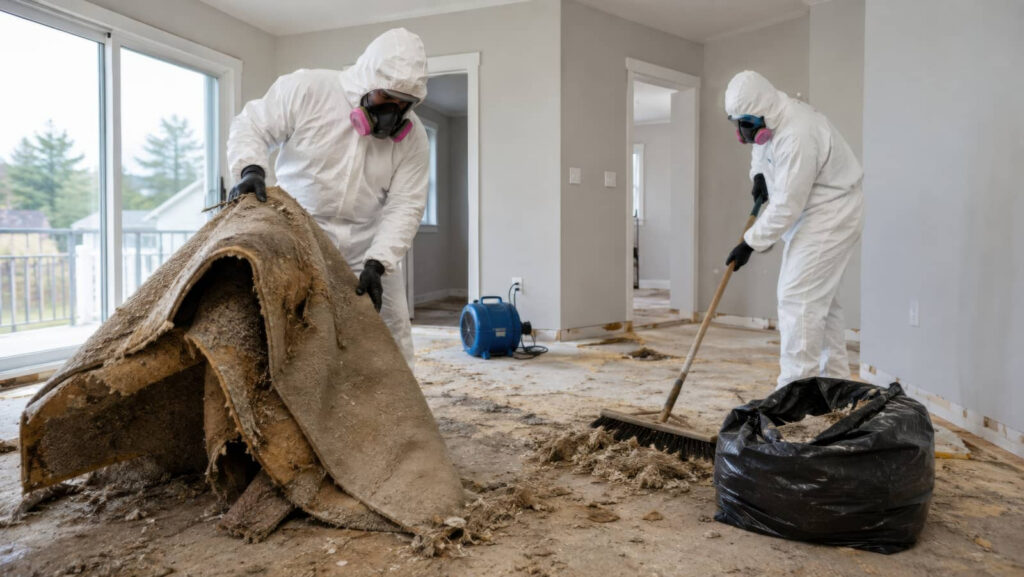
- Category 3: Blackwater with sewage or hazardous pathogens. You require full containment, protective equipment, and extensive demolition.
These levels help you and your restoration team speak the same technical language, set expectations, and protect the property.
When the category is identified accurately, you get a safer, faster, and more effective recovery plan.
How Fire and Smoke Damage Are Assessed?
After a fire, restoration specialists inspect structural integrity, surface charring, soot deposition, and smoke migration to determine the full extent of loss. You’ll see them document compromised framing, warped finishes, and heat-affected systems before they assign repair priorities.
They test soot density on accessible surfaces, note patterns that show where flames traveled, and map smoke paths through rooms, cavities, and ductwork. This helps you understand what can be cleaned, sealed, or replaced. They also compare affected materials by porosity, since porous items absorb residues differently than nonporous ones.
How Mold, Odor, and Air Quality Are Tested?
Technicians assess mold, odor, and air quality by combining visual inspection, targeted sampling, and environmental measurements to identify contamination sources and exposure risks.
You’ll see them document staining, moisture patterns, and musty odors, then verify findings with tools that measure spore levels, particulate load, temperature, humidity, and ventilation performance. This process helps you understand what’s happening in the space and where conditions support growth or lingering odor.
- They inspect visible surfaces and hidden cavities.
- They collect air or surface samples where needed.
- They compare readings across affected and clean areas.
You stay informed because each result connects to a clear remediation plan. That gives you confidence that your property’s air quality is being evaluated with the same care your team would expect.
What Restoration Companies Send to Insurance
Restoration companies send insurers a documentation package that shows the scope, cause, and cost of the loss. You’ll usually receive a damage summary, photo logs, moisture readings, inspection notes, and a line-item estimate built from approved pricing software.
The packet may also include emergency service invoices, equipment usage records, sketch diagrams, and drying logs that verify work already completed. If technicians found contamination, they’ll attach testing results and disposal records.
This material helps your adjuster verify what happened, what was affected, and which services were necessary. When you stay organized and provide access to records quickly, you help keep the claim moving and reduce avoidable questions.
Your restoration team and carrier can then work from the same facts, which supports clear communication and a smoother process.
How Damage Severity Shapes the Plan
Once the documentation is in hand, the next step is to match the response to the actual severity of the loss. You’ll see the plan shift based on structural impact, material saturation, and contamination risk, so you’re never working from guesswork.
Your team should prioritize containment, drying, and cleanup in that order when conditions allow.
- Minor damage calls for targeted extraction and monitored drying.
- Moderate damage needs broader demolition, airflow control, and moisture mapping.
- Severe damage often requires full-scale mitigation, safety isolation, and coordinated rebuilding.
When you understand this tiered approach, you can move forward with confidence. You’re part of a process built to protect your property, reduce delays, and keep every restoration decision aligned with measurable field conditions.
Frequently Asked Questions
How Long Does a Typical Damage Assessment Take?
A typical damage assessment takes 30 minutes to several hours, depending on your property’s size and severity. You’ll get faster results if you provide access, documentation, and clear information about affected areas.
Do Restoration Companies Inspect Hidden Damage Behind Walls?
Yes, you should expect them to inspect hidden damage behind walls using moisture meters, thermal imaging, and selective openings. That helps you identify concealed leaks, mold risk, and structural issues before repairs begin.
Can I Stay in My Home During the Assessment?
Yes, you can usually stay home during the assessment. You’ll need to provide access to affected areas, and technicians may ask you to relocate briefly while they inspect moisture, structural issues, or safety hazards.
What Tools Do Assessors Use On-Site?
You’ll see moisture meters, thermal cameras, hygrometers, flashlights, borescopes, and IR cameras. They verify hidden damage, trace leaks, and test drying conditions. This helps you trust the process and feel included.
How Often Are Reassessments Needed During Restoration?
You’ll need reassessments at each major milestone, after drying changes, and whenever scope shifts. Usually, you check daily early on, then weekly until stabilization. Ongoing monitoring helps you stay aligned, informed, and in control.
Final Thoughts
When you call a restoration company, you get a fast, structured assessment that identifies hazards, measures damage, and documents every finding. Technicians check safety first, inspect affected areas, and use moisture meters, thermal imaging, and air-quality tools to verify hidden issues. They then classify the loss and prepare reports for insurers. That careful process can feel like it uncovers a mountain of data, but it gives you a clear, targeted recovery plan.
Recent Posts
Cost of Property Damage Restoration Services Explained
When you face property damage, the restoration cost can shift fast depending on the damage
Property Damage Restoration Insurance Claims Guide for Homeowners
After property damage, property damage restoration insurance claims require you to move quickly, document everything,
Property Damage Restoration Process for Homes Explained
You probably don’t know that restoration crews often start by finding hidden damage before they