
Contents
When you face property damage, the restoration cost can shift fast depending on the damage type, the square footage involved, and the equipment needed. You might pay for water extraction, fire debris removal, mold treatment, or odor control, and insurance can change your out-of-pocket total. Before you choose a provider, you need a clear estimate, because the real cost often hides in the details that follow.
Key Takeaways
- Restoration costs vary widely, often ranging from a few hundred to several thousand dollars based on damage severity and type.
- Water damage usually costs less than fire damage, but spread, moisture duration, and hidden damage can raise the bill.
- Costs include labor, equipment, materials, debris removal, drying, cleaning, and any needed structural repairs.
- Emergency service, specialized equipment, and larger affected areas can increase pricing significantly.
- Insurance coverage, deductibles, and policy limits strongly affect your out-of-pocket restoration expenses.
How Much Does Property Damage Restoration Cost?
Property damage restoration costs can vary widely, depending on the type and extent of the damage, but most projects fall somewhere between a few hundred and several thousand dollars.
You’ll usually see the cost of property damage restoration services quoted after a technician assesses the affected area and outlines the work needed. You can expect pricing to cover labor, equipment use, materials, and cleanup.
If you’re dealing with water, fire, mold, or structural issues, a restoration team will tailor the scope to your property’s needs and help you understand what’s included.
Clear estimates let you compare providers confidently and stay informed throughout the process.
When you work with a qualified team, you’re not just paying for repairs—you’re joining a process built around safety, efficiency, and reliable recovery.
7 Factors That Affect Restoration Cost
Several variables shape your final restoration bill, and the biggest ones usually include the damage type, affected square footage, material loss, labor intensity, equipment needs, structural repairs, contamination level, and how quickly work can begin.
You’ll usually pay more when the affected area is larger because crews spend longer extracting, drying, cleaning, and verifying moisture levels. Hidden damage also raises costs, since technicians may need to open walls or flooring to reach saturated materials.
Specialized equipment, such as dehumidifiers, air scrubbers, and thermal imaging tools, can add rental and operating charges. If the site needs debris removal, sanitation, or code-driven repairs, your total climbs.
Fast response can limit secondary damage, but emergency scheduling may involve premium labor rates and after-hours service fees.
Restoration Costs by Damage Type
Your restoration cost will vary greatly by damage type, with water damage typically driven by drying, extraction, and antimicrobial treatment requirements.
Fire and smoke restoration often costs more when you need soot removal, odor mitigation, and structural cleaning or replacement.
You’ll need to evaluate each loss category separately to estimate the full scope and price of recovery.
Water Damage Costs
Water damage restoration costs usually depend on how far the water has spread and how long it has remained untreated. You’ll typically pay more when moisture seeps into flooring, drywall, insulation, or subfloors, because technicians must dry, clean, and verify every affected layer.
You’re part of a group of owners who benefit from fast action, since early response lowers labor and material replacement costs.
Extraction and drying: Removes standing water and reduces secondary damage.
Demolition and disposal: Covers removing unsalvageable materials.
Cleaning and sanitizing: Addresses contaminated surfaces and helps prevent microbial growth.
Your final price also reflects equipment time, access limits, and the size of the affected area.
A detailed inspection gives you the clearest estimate and helps you plan confidently.
Fire And Smoke Costs
Fire and smoke restoration costs usually rise with the extent of charring, soot spread, and smoke penetration throughout the structure. You’ll typically pay for emergency board-up, debris removal, odor control, soot cleaning, and structural repairs, plus specialized HVAC and contents treatment.
Light smoke damage may only need targeted cleaning and air scrubbing, while heavy fire loss often requires demolition, reconstruction, and material replacement. Porous materials, wiring, insulation, and finishes can hold contaminants, so your scope can expand fast.
If water was used to extinguish the fire, you’ll also see added drying costs. A qualified estimator will document damage, test affected surfaces, and build a repair plan that helps you and your insurer stay aligned, so you can restore your space with confidence.
How Water, Fire, and Mold Raise the Bill
When property damage involves water, fire, or mold, restoration costs usually rise because each hazard demands specialized labor, equipment, and containment procedures.
You’ll pay more when crews must extract water, dry framing, remove soot, or isolate contaminated areas. These tasks take time, and delays can spread damage deeper into surfaces and systems.
The bill also increases when technicians need air scrubbers, dehumidifiers, thermal tools, or antimicrobial treatments to restore safe conditions.
Water damage often requires structural drying and moisture monitoring.
Fire damage adds debris removal, odor control, and surface cleaning.
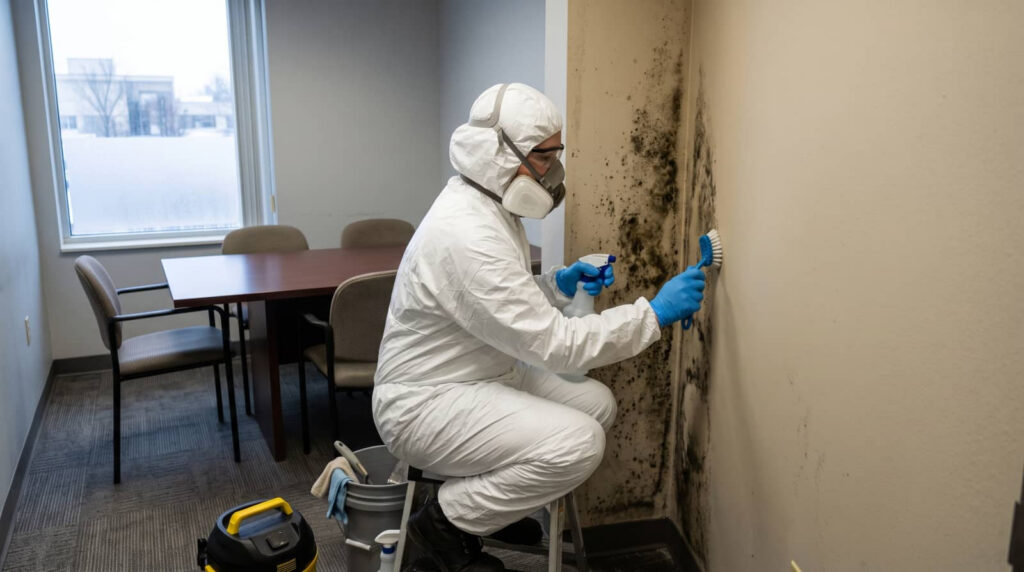
Mold remediation needs sealed work zones and strict disposal methods.
You’re not alone in facing these challenges; the right response protects your space and keeps cleanup efficient.
How Insurance Changes What You Pay
Your insurance policy can greatly change what you pay for restoration by setting coverage limits that cap how much the insurer will reimburse.
You’ll also need to account for your deductible and how the claim is handled, since both affect your out-of-pocket cost.
Any damage or services that fall outside covered losses, like excluded materials or upgrades, usually stay your responsibility.
Insurance Coverage Limits
Insurance coverage limits can markedly change what you pay for property damage restoration because your policy only covers costs up to the limits stated in your plan. You should review those caps before work begins so you can estimate your share with confidence and avoid surprises that can strain your household budget.
Per-occurrence limits set the maximum your insurer will pay for one event.
Separate sublimits may restrict categories like mold, water, or contents.
Higher property values or extensive damage can exceed limits quickly.
If repairs go beyond coverage, you’ll need to cover the difference directly.
Deductibles And Claims
Deductibles directly affect what you’ll pay for property damage restoration because you must cover that amount before your policy starts reimbursing covered losses.
When you file a claim, the insurer applies the deductible first, then calculates payment based on the approved estimate. If your deductible is high, your out-of-pocket share rises, even when the repair scope is straightforward.
You’ll also want to document damage quickly, keep receipts, and respond promptly to adjuster requests so your claim moves efficiently. A clean claims file helps you stay aligned with your carrier’s process and reduces delays.
In practice, you and your policy work together: the deductible sets your initial responsibility, and the claims review determines how much support you receive. Understanding both helps you plan confidently.
Covered Vs. Uncovered Costs
Even when a policy covers property damage, it rarely pays for every line item tied to the loss. You’ll usually see covered costs include demolition, drying, cleaning, and standard material replacement, while uncovered costs can include upgrades, code compliance gaps, and depreciation.
Your insurer may also limit payment for emergency work or specialty materials, so you need to verify the scope before crews start.
- Check your declarations page for covered perils.
- Compare the adjuster’s estimate with your contractor’s scope.
- Ask which expenses fall outside policy limits, endorsements, or exclusions.
When you understand this split, you can budget with confidence and stay aligned with your restoration team. That clarity helps you move forward with less stress and fewer billing surprises.
Ways to Lower Restoration Expenses
You can lower property damage restoration expenses by acting quickly, limiting the spread of damage, and choosing the right scope of work from the start.
Shut off water, power, or HVAC as needed, and document conditions before cleanup. Then, contact a licensed restoration provider so you can get an accurate moisture, smoke, or structural assessment.
You’ll usually save more when you approve only the necessary demolition, drying, and sanitization steps. Compare estimates, but focus on scope, equipment, and certification, not price alone.
Keep access clear for crews, and salvage unaffected materials when safe. Review your insurance policy, deductibles, and coverage limits so you can avoid surprise costs.
When you stay organized and informed, you help your restoration team work efficiently and keep your project on track.
Frequently Asked Questions
How Long Does Property Damage Restoration Usually Take?
You’ll usually see property damage restoration take a few days to several weeks, depending on severity, drying time, permits, and repairs. If you act quickly, you help your team restore your property faster and reduce disruption.
Do Restoration Companies Offer Emergency Service Fees?
Yes, you’ll often pay emergency service fees; restoration companies rush in like first responders, covering after-hours dispatch, rapid assessment, and priority labor. You’ll usually see higher rates, but you’re getting immediate protection and reduced damage.
Can I Stay in My Home During Restoration Work?
You can stay if the damage is localized and crews isolate the work area, but you’ll need to leave for hazards, heavy equipment, mold, or asbestos. Your restoration team can recommend safe occupancy.
What Should I Do Before the Restoration Crew Arrives?
You should clear the area, document damage, shut off utilities if needed, and secure pets and valuables. Then you’ll create a tidy, welcoming workspace, helping crews begin the delicate recovery process efficiently and safely.
Are Permits Needed for Property Damage Restoration?
Yes, you’ll sometimes need permits for structural repairs, electrical work, or plumbing changes. You should ask your local building department early, because your contractor can often handle approvals and inspections for you.
Wrap-Up
When you face property damage, you’re not just paying for repairs—you’re restoring the shape of your space. Water can soak floors like a slow spill, fire can leave walls scarred and air heavy, and mold can spread silently behind surfaces. You can lower costs by acting fast, documenting everything, and comparing detailed estimates. With solid insurance guidance and a clear assessment, you’ll turn a damaged property into a recoverable one, with fewer surprises.
Recent Posts
Property Damage Restoration Insurance Claims Guide for Homeowners
After property damage, property damage restoration insurance claims require you to move quickly, document everything,
Property Damage Restoration Process for Homes Explained
You probably don’t know that restoration crews often start by finding hidden damage before they
Property Damage Restoration: The Complete Guide for Homeowners
After a burst pipe soaks your living room overnight, you’re left wondering what to do