
Contents
After a burst pipe floods your basement at 2 a.m., you need a clear plan fast. Emergency Restoration starts with shutting off utilities, documenting every damaged surface, and protecting the home from further loss. Then you compare restoration firms, confirm credentials, and track each repair milestone. The right checklist can help you avoid costly mistakes, but the critical steps depend on what you do first.
Key Takeaways
- Assess safety first by checking for gas, electrical, water, and structural hazards before entering the damaged home.
- Document all damage with photos, notes, serial numbers, and receipts to support insurance claims.
- Secure the property by shutting off utilities, locking openings, and covering exposed areas to prevent more damage.
- Hire a licensed, insured restoration company with 24/7 emergency response and clear written estimates.
- Track drying, cleanup, and repairs with moisture logs, photos, and organized records until the job is complete.
Take the First Safety Steps After Damage
Before you do anything else, take a quick, careful look at the damaged area and make sure it’s safe to enter. You should shut off power, gas, or water only if you can reach the controls without risk.
Wear sturdy shoes, gloves, and a mask if dust, soot, or debris is present. Keep children, pets, and vulnerable family members away from unstable structures, sharp materials, and standing water.
If you smell gas, hear hissing, or see sparks, leave immediately and call emergency services.
Your emergency restoration services checklist for homeowners should prioritize personal safety, controlled access, and rapid assessment.
Stay calm, move with your household, and take only essential steps until trained responders confirm the site is secure.
Document Damage for Your Insurance Claim
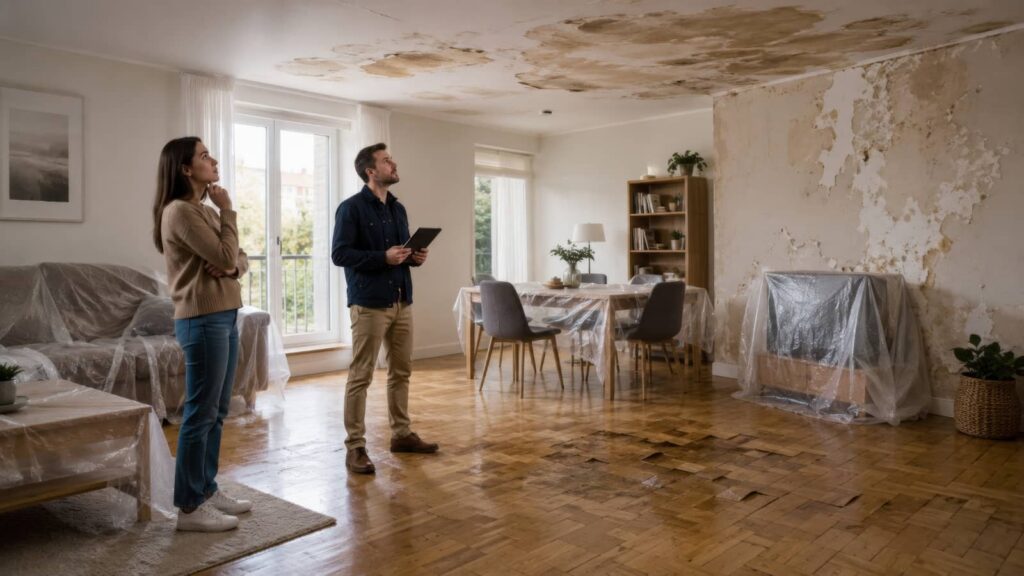
Once the area is safe to enter, start documenting the damage right away for your insurance claim. You’ll help your adjuster verify losses and speed up review when you capture clear evidence. Use your phone or camera and keep every file organized in one folder.
- Photograph each affected room from wide and close angles.
- Record serial numbers, model labels, and visible structural damage.
- Save receipts, temporary housing costs, and emergency service invoices.
Add short notes with dates, times, and the conditions you observed. If water, smoke, or debris changed anything, note that too.
Stay consistent, factual, and thorough so your claim reflects the full scope. By documenting carefully, you’re joining the homeowners who recover with confidence and control.
Secure Your Home to Prevent More Damage
After documenting the damage, you should secure the property immediately to prevent additional loss.
Shut off utilities if leaks, sparks, or flooding could create hazards, and lock doors and windows to limit unauthorized access.
If wind or water exposed openings, cover them with heavy-duty tarps or plastic sheeting and fasten the material tightly.
Remove standing water only when it’s safe, and move salvageable items to a dry, protected area.
If ceilings sag or structural members shift, keep out of those rooms and mark them clearly.
Use caution tape or temporary barriers to define unsafe zones.
These steps help you protect your home, reduce secondary damage, and stay aligned with a prepared recovery team.
You’re not alone in this process; organized action helps your household move forward with confidence.
How to Choose a Restoration Company
How do you choose the right restoration company when time and damage are both critical? You should verify licensing, insurance, and 24/7 emergency response before you call.
Ask whether the team has IICRC-trained technicians and experience with your loss type. A dependable company explains scope, documentation, and communication clearly, so you feel informed and included.
- Confirm credentials and local references.
- Review response time and equipment capacity.
- Request a written estimate with service terms.
You’ll also want a provider that coordinates with your insurer and offers a single point of contact.
Choose professionals who answer questions directly, respect your property, and follow a defined process. That way, you’re not managing chaos alone—you’re working with a capable team that knows how to restore order.
Track Drying, Repairs, and Cleanup
As restoration begins, track each phase of drying, repairs, and cleanup so you can verify progress and document completion.
Record moisture readings, equipment run times, affected room conditions, and daily photographs. Ask your crew to note dates, materials removed, surfaces sanitized, and any hidden damage uncovered.
Compare these logs against the contractor’s scope so you can confirm that each task matches the plan. Keep receipts, work orders, and disposal records in one folder for easy reference.
When drying targets are reached, authorize repairs only after affected materials test within acceptable limits.
During cleanup, inspect vents, flooring, and contents for residue or odors. Staying organized helps you communicate clearly, protect your claim, and feel confident that your home’s recovery is moving forward with your team.
Frequently Asked Questions
What Items Should I Salvage First After a Disaster?
You should salvage essential documents, medications, identification, keys, heirlooms, electronics, and irreplaceable photos first. Prioritize dry, structurally sound items, then move damaged belongings to a safe, organized area for assessment and restoration.
How Soon Should I Contact My Mortgage Lender?
You should contact your mortgage lender immediately, like sounding a bell before silence spreads. You’ll protect your account, document losses, and request hardship options. Don’t wait; prompt notice can preserve eligibility for relief and prevent penalties.
Can I Stay in My Home During Restoration Work?
Yes, you can sometimes stay, but you’ll need to assess hazards, utility shutoffs, dust, noise, and restricted access. If conditions aren’t safe, you should relocate temporarily and coordinate closely with your restoration team.
What Should I Expect During Mold Remediation?
You’ll see containment barriers, HEPA filtration, and material removal; then technicians clean, dry, and verify moisture levels. You may need brief access limits, but you’ll stay informed and included throughout.
How Do I Handle Spoiled Food After Flooding?
You’ll discard all perishable food exposed to floodwater, unopened or opened, and anything that smells, leaks, or lost refrigeration. Wear gloves, clean surfaces with hot soapy water, then disinfect thoroughly before restocking.
Wrap-Up
When damage strikes, you act fast, and the right checklist keeps each step aligned. You shut off hazards, document losses, secure openings, choose a qualified restoration company, and track every repair. That sequence is no accident; it is what protects your home, your claim, and your peace of mind. Keep your records organized, follow up on every task, and you’ll move from emergency to recovery with control, clarity, and confidence.
Recent Posts
How Property Damage Restoration Companies Assess Damage
Before a restoration crew starts work, property damage restoration begins with evaluating hidden hazards, not
Cost of Property Damage Restoration Services Explained
When you face property damage, the restoration cost can shift fast depending on the damage
Property Damage Restoration Insurance Claims Guide for Homeowners
After property damage, property damage restoration insurance claims require you to move quickly, document everything,