
Contents
Ceiling water damage can feel like a disaster waiting to happen, but it doesn’t have to be overwhelming. Knowing the right strategies for effective repair is essential. You’ll need to assess the damage, identify the source, and ensure your safety before diving into repairs. Understanding these steps can make a significant difference in the outcome. What comes next is crucial for a successful restoration—let’s explore the process in detail.
Key Takeaways
Inspect ceilings for signs of damage, such as discoloration or sagging, to assess the severity and identify sources of leaks.
Turn off the power and wear protective gear to ensure safety before beginning any repair work in affected areas.
Remove damaged materials carefully and use dehumidifiers and fans to promote thorough drying of the affected space.
Treat any mold growth with inhibitors and conduct regular inspections to prevent future occurrences and maintain low indoor humidity levels.
Repair structural damage through methods like sistering beams and selecting appropriate ceiling materials based on budget and aesthetics.
Assessing the Extent of Water Damage
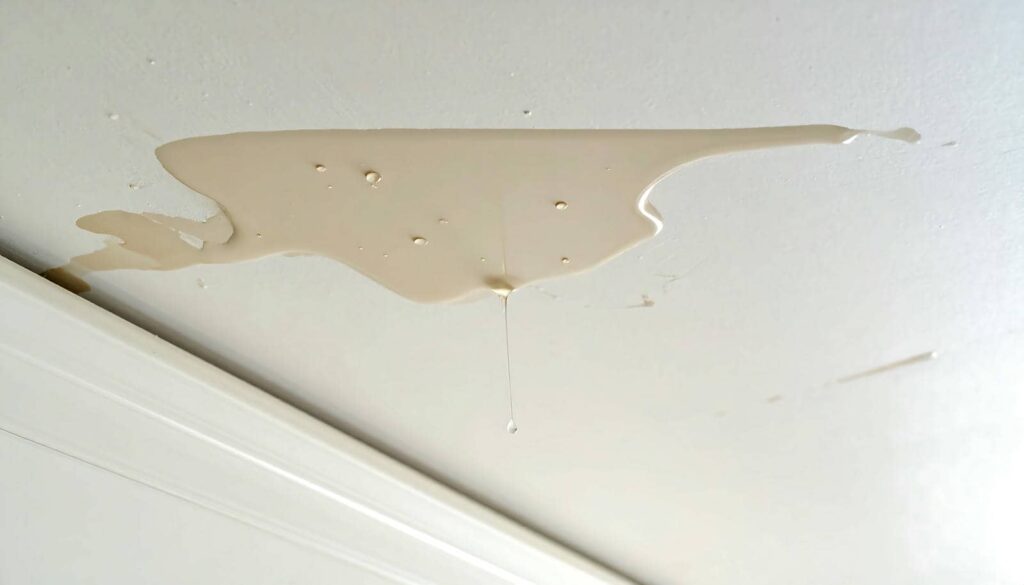
Before you can begin repairs, it is crucial to accurately assess the extent of water damage. A thorough water damage assessment helps you pinpoint affected areas and determine necessary repairs. Start by inspecting ceilings for discoloration, sagging, or mold growth, as these symptoms indicate moisture intrusion. Use tools like moisture meters for precise readings, ensuring you capture hidden damage behind surfaces.
Next, conduct a damage severity analysis to categorize the extent of the damage. Classifying it as minor, moderate, or severe will guide your repair strategy. Minor damage might only require surface treatment, while severe cases could necessitate structural repairs.
Identifying the Source of Water Intrusion
Identifying the source of water intrusion is crucial for effective repairs and preventing future damage. Without pinpointing the origin, you risk ongoing issues that could lead to more extensive repairs and costs. Here’s how you can approach leak detection:
- Inspect for Water Stains: Look for discoloration on ceilings or walls, which can indicate past leaks.
- Check Roof and Gutters: Confirm there are no blockages or damage that could cause water to seep in.
- Examine Plumbing Fixtures: Inspect pipes and connections for any signs of leaks or corrosion.
- Assess Windows and Doors: Verify that seals are intact; gaps can allow moisture to enter.
Ensuring Safety Before Starting Repairs
Before you start any repairs, it’s essential to turn off the power to prevent electrical hazards. Equip yourself with protective gear, such as gloves and goggles, to shield against potential contaminants. Finally, assess the ceiling’s structural integrity to ensure it can safely support your repair efforts.
Turn Off Power
When tackling ceiling water damage repairs, turning off the power to the affected area is essential for your safety. Ensuring electrical safety is your top priority; doing so helps prevent accidents and injuries while you work. Here’s how to effectively turn off the power:
- Locate your circuit breaker panel.
- Identify the circuit connected to the damaged ceiling area.
- Switch off the appropriate circuit breaker.
- Test the area with a voltage tester to confirm power is off.
Wear Protective Gear
To ensure your safety during ceiling water-damage repairs, it’s important to wear the right protective gear. Start by donning safety goggles to shield your eyes from debris. A mask or respirator is critical for avoiding inhalation of mold spores or dust. Heavy-duty gloves protect your hands from sharp materials and hazardous substances. Wearing long sleeves and pants will also minimize skin exposure to irritants. Additionally, slip-resistant footwear is essential for maintaining stability on potentially wet surfaces. Following these safety guidelines helps you avoid injuries and fosters a sense of community responsibility among DIY enthusiasts. Prioritizing your well-being ensures that you can complete repairs effectively and return to enjoying your space without fear.
Assess Structural Integrity
While you might be keen to start repairs, evaluating the structural integrity of your ceiling is essential to confirm safety. A thorough structural assessment helps identify potential risks and ensures a secure environment before proceeding. Follow these steps for an effective integrity evaluation:
- Inspect for visible cracks or sagging in the ceiling.
- Check for water stains that may indicate hidden damage.
- Assess the condition of support beams and joists for signs of deterioration.
- Consult a professional if you suspect significant issues beyond your expertise.
Removing Damaged Materials
Before you start removing damaged materials, assess the extent of the water damage to identify what needs replacement. Verify you use proper safety gear and techniques during the removal process to avoid further hazards. Finally, dispose of the materials according to local regulations to maintain a safe and clean environment.
Assessing Damage Extent
How do you determine the extent of water damage in your ceiling? First, you need to identify the water damage types affecting your ceiling. Use these assessment techniques to guide you:
- Visual Inspection: Look for discoloration, sagging, or peeling paint.
- Moisture Meter: Measure moisture levels in the ceiling material for hidden damage.
- Infrared Camera: Detects moisture behind walls or ceilings that’s not visible.
- Sound Test: Tap the ceiling; hollow sounds may indicate compromised areas.
Safe Material Removal
Once you’ve assessed the extent of water damage, it’s important to safely remove any compromised materials from your ceiling. Start by using appropriate removal techniques to minimize dust and debris. Wear protective gear, including gloves and masks, to safeguard yourself against mold spores. Carefully cut away the affected drywall or plaster, ensuring you don’t disturb the surrounding areas. As you work, place removed materials in sealed bags to prevent contamination. It’s essential to be meticulous; any remaining moisture can lead to further damage. Once you’ve gathered all damaged materials, prepare them for safe disposal, which will be covered later. Remember, taking these precautions ensures a safer environment for you and your community while promoting effective repair.
Proper Disposal Methods
After you’ve safely removed the damaged materials from your ceiling, it’s crucial to follow proper disposal methods to prevent any further issues. Here’s how to make certain your disposal process is effective and responsible:
- Separate Recyclable Materials: Identify and set aside any materials like metal or wood that can be recycled.
- Dispose of Hazardous Waste: If you encounter materials containing asbestos or mold, treat them as hazardous waste and contact a professional for safe disposal.
- Use Proper Containers: Place all waste in sturdy, clearly marked containers to avoid spills during transport.
- Follow Local Regulations: Check with your local waste management facility for specific guidelines on disposing of damaged materials.
Drying and Dehumidifying the Area
Effective drying and dehumidifying of the area is essential in preventing further damage after a ceiling leak. Start by using a high-capacity dehumidifier to remove excess moisture from the air. Position it centrally to maximize efficiency. Make certain that you run the dehumidifier continuously until the humidity levels return to normal.
Next, enhance air circulation by using fans. Place oscillating fans in various locations to promote airflow, which helps speed up the drying process. Open windows and doors if it’s safe to do so, allowing fresh air to enter and further aid in drying.
Monitor the moisture levels using a hygrometer, and be patient; complete drying may take several days, depending on the extent of the water damage. By effectively managing dehumidifier usage and air circulation, you create a healthier environment and greatly reduce the risk of long-term damage.
Treating for Mold and Fungal Growth
To effectively treat mold and fungi growth after water damage, you must first identify any sources of moisture in the area. Applying mold inhibitors can help prevent further growth, but regular inspections are essential to catch any issues early. Staying proactive will ensure a healthier environment and protect your ceiling from recurring damage.
Identify Moisture Sources
Identifying moisture sources is essential for treating mold and fungi growth in your ceiling. Proper moisture detection helps you pinpoint issues before they escalate. Here are key steps for effective leak prevention:
- Inspect Roof and Gutters: Check for damaged shingles or clogged gutters that may cause water to seep in.
- Examine Plumbing: Look for leaks in pipes or fixtures that could contribute to excessive moisture.
- Assess Ventilation: Ensure proper airflow in rooms, especially in bathrooms and kitchens, to minimize humidity buildup.
- Monitor Humidity Levels: Use a hygrometer to track indoor humidity; keep levels below 60% to discourage mold growth.
Use Mold Inhibitors
After pinpointing moisture sources, your next step involves using mold inhibitors to combat fungi growth effectively. These specialized products play an essential role in mold prevention, ensuring that your ceiling remains safe from potential infestations. Apply surface treatments specifically designed for ceilings, which create protective barriers against mold spores.
Be sure to choose inhibitors that are compatible with the materials in your ceiling and follow the manufacturer’s instructions for best results. Regularly treating surfaces can greatly reduce the risk of mold reoccurrence, promoting a healthier living environment. By taking these proactive measures, you’re not just fixing water damage; you’re safeguarding your home and fostering a sense of belonging within a clean, mold-free space.
Regular Inspections Needed
Regular inspections are essential for maintaining your ceiling’s integrity, as they help you detect potential mold and fungi growth before it becomes a significant issue. By conducting routine checks, you help prevent damage and ensure a healthier living environment. Here are key strategies to follow during your inspections:
- Visual Assessment: Look for discoloration or stains that may indicate moisture.
- Check Ventilation: Ensure proper airflow to minimize humidity levels.
- Inspect Surrounding Areas: Examine walls and floors for signs of water intrusion.
- Use a Moisture Meter: Measure humidity levels in the ceiling material to identify hidden problems.
Repairing Structural Damage
When water damage compromises the structural integrity of your ceiling, prompt action is crucial to prevent further deterioration. Start by evaluating the extent of the damage; identify any compromised beams or joists. You’ll want to employ effective repair techniques for structural reinforcement.
| Repair Technique | Description |
|---|---|
| Sistering | Adding a new beam alongside the damaged one for support. |
| Patching | Filling in cracks or holes with appropriate materials. |
| Bracing | Installing braces to provide additional stability. |
Once you’ve selected the appropriate technique, verify all materials are suitable for the load they’ll bear. Don’t hesitate to consult a professional if the damage is extensive. By addressing structural issues swiftly, you maintain your home’s safety and value, fostering a sense of belonging within your living space.
Replacing Ceiling Materials
If you’ve identified water damage in your ceiling materials, replacing them promptly is crucial to restoring both aesthetics and functionality. Choosing the right replacement options can make a significant difference in the longevity and appearance of your ceiling. Here are four common ceiling material replacement options to reflect upon:
- Drywall: Ideal for a smooth finish, it’s versatile and easy to paint.
- Acoustic Tiles: Great for sound absorption, these tiles come in various designs and are straightforward to install.
- Plaster: Offers a classic look, but requires skilled labor for application and repair.
- PVC Panels: Water-resistant and easy to clean, they’re perfect for high-humidity areas.
Evaluate these options based on your budget, aesthetic preferences, and the specific conditions of your space. Selecting the right ceiling materials will enhance your home’s look and ensure durability and resilience against future issues.
Preventing Future Water Damage
To effectively prevent future water damage, it’s essential to focus on both proactive measures and regular maintenance. Start by implementing robust waterproofing techniques, such as sealing cracks in walls and applying waterproof coatings to surfaces prone to moisture exposure. This helps create a barrier against potential leaks. Additionally, invest in effective drainage solutions to ensure that water is directed away from your property. Properly installed gutters and downspouts can considerably reduce the risk of water pooling near your foundation, which can lead to ceiling leaks. Regularly check and clear these systems to maintain their effectiveness. Also, consider using sump pumps in basements to manage water levels during heavy rainfall. By taking these steps, you’ll protect your home and foster a sense of belonging within your community, knowing you’re safeguarding your space from future water damage with your neighbors.
Regular Maintenance and Inspection Practices
Regular maintenance and inspection practices play an essential role in safeguarding your home against water damage. By implementing preventive measures and conducting routine checks, you can greatly reduce the risk of ceiling water damage. Here are key practices to follow:
- Inspect Roof and Gutters: Regularly check for debris, leaks, or damage that could lead to water intrusion.
- Examine Plumbing Systems: Look for leaks in pipes, especially in attics and basements, and address any issues promptly.
- Check Windows and Doors: Confirm seals are intact and replace weather stripping as needed to prevent water seepage.
- Monitor Humidity Levels: Use a hygrometer to keep humidity below 60% in your home, reducing the chance of mold growth and water damage.
Frequently Asked Questions
How Long Does Ceiling Water Damage Repair Typically Take?
Ceiling water damage repair typically takes one to three days, depending on the extent of the damage. You should factor in the repair duration and project timeline to ensure the work meets your expectations.
Can I Repair Water Damage on My Own?
Sure, you can tackle water damage with DIY repairs, but be cautious. Carefully assess the extent, gather the right tools, and follow safety protocols. Taking these steps ensures your efforts lead to a solid, satisfying solution.
Will My Insurance Cover Ceiling Water Damage Repairs?
Your insurance might cover ceiling water damage repairs, but it depends on your policy’s coverage limits and the specifics of your claim. Review your policy or consult your agent for detailed information on potential coverage.
What Are Common Signs of Ceiling Water Damage?
You might notice water stains, peeling paint, or sagging areas on your ceiling. These signs often indicate leaks that require immediate attention to prevent further damage.
How Can I Prevent Mold After Repairs?
To prevent mold after repairs, you need to focus on moisture control. Ensure proper ventilation, use dehumidifiers, and seal any leaks. Regularly inspect areas for dampness to maintain a mold-free environment. Your diligence matters.
Review
Successfully tackling ceiling water damage requires a systematic approach. Start by swiftly evaluating and addressing the source, ensuring safety, and methodically removing damaged materials. Diligently dry the area and repair structural elements before replacing ceiling materials. Finally, practice proactive prevention through regular maintenance and inspection. By following these strategic steps, you’ll safeguard your space from future floods and foster a lasting, leak-free living environment. Remember, a well-maintained ceiling contributes to a cozy, comfortable home.
Recent Posts
Smoke Damage Cleanup and Indoor Air Quality
Smoke can settle through a building like an unseen weather front, affecting air quality long
Understanding the Cost of Smoke Damage Cleanup Services
When you face smoke damage, the cost of cleanup depends on more than square footage.
Smoke Damage Cleanup After a Kitchen Fire
You may wonder whether Smoke Damage Cleanup after a kitchen fire only needs to address