
Contents
Identifying the infestation, using natural solutions, and applying effective treatments are vital steps in black fungi removal. By understanding the signs of mold growth and knowing how to combat it, you can protect your home from damage. It’s important to explore various methods, from common household items to professional services. Each technique has its merits, and discovering the right approach for your situation can make all the difference in maintaining a healthy environment.
Key Takeaways
- Inspect moisture-prone areas thoroughly to identify black fungi, noting discoloration and unusual odors for effective treatment planning.
- Use a mixture of equal parts water and white vinegar to treat affected areas, allowing it to sit for at least an hour.
- Apply a 3% hydrogen peroxide solution to the fungi, letting it sit for 10-15 minutes for effective removal and prevention.
- Create a baking soda paste with water, scrub the affected area gently, and rinse thoroughly to eliminate fungi residue.
- Consider hiring professional mold removal services for comprehensive assessments and effective remediation of persistent black fungi issues.
Identify and Assess the Infestation
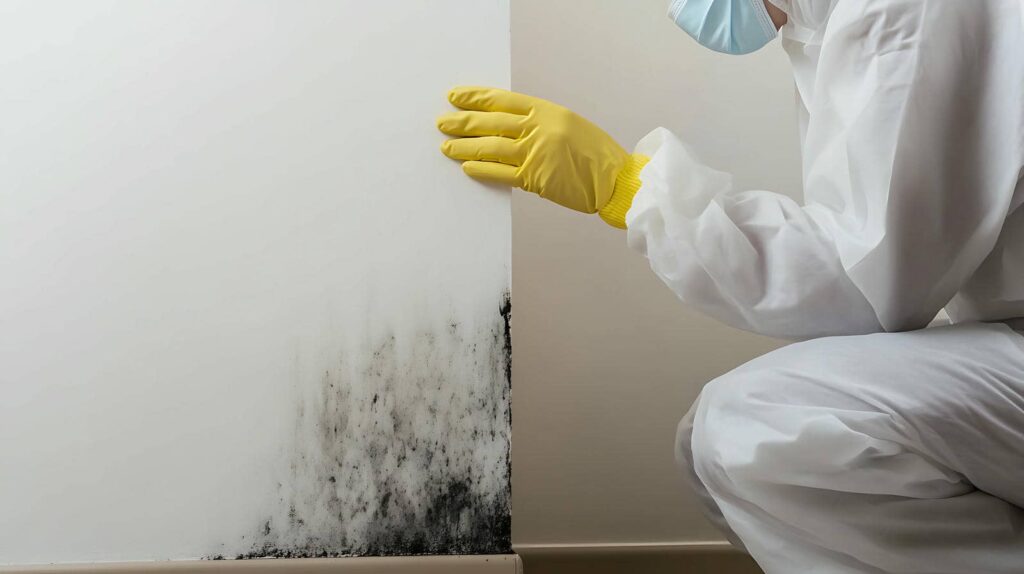
How can you effectively identify and assess a black fungi infestation in your home? Start by recognizing infestation symptoms, such as dark patches on walls or ceilings, a musty odor, and potential health issues like respiratory problems. These signs can indicate the presence of black fungi, which thrive in damp environments.
Next, employ systematic inspection techniques. Examine areas prone to moisture, like bathrooms, basements, and kitchens. Use a flashlight to check hidden spots, including behind appliances and under sinks. Look for discoloration, peeling paint, or any unusual surface textures.
Don’t forget to assess humidity levels; ideally, they should remain below 60%. If you suspect an infestation, document your findings with photos and notes. This thorough approach helps in identifying the problem and prepares you for effective remediation steps. Taking these actions fosters a sense of belonging and safety in your living environment.
Use Vinegar as a Natural Solution
One effective approach to tackling black fungi is using vinegar, a natural solution known for its antifungal properties. This common household item acts as a natural fungicide, effectively combating various fungal infestations. The acetic acid in vinegar disrupts the pH balance of the fungi, inhibiting their growth and eventual spread.
To use vinegar, simply mix equal parts of water and white vinegar in a spray bottle. Target the affected areas and apply the solution directly onto the fungi. Allow it to sit for at least an hour before wiping it away with a cloth.
Vinegar offers numerous benefits, including being non-toxic and environmentally friendly, and it also saves you money compared to chemical alternatives. By incorporating vinegar into your cleaning routine, you can foster a healthier environment while effectively removing black fungi from your space.
Apply Hydrogen Peroxide for Effective Treatment
After exploring the benefits of vinegar, consider hydrogen peroxide as another powerful tool for removing black fungi. Its hydrogen properties make it an effective treatment choice, capable of penetrating and breaking down fungal structures.
To utilize hydrogen peroxide effectively, follow these steps:
- Choose the right concentration: Use a 3% solution for safety and effectiveness.
- Test a small area: confirm it won’t damage surfaces before full application.
- Apply directly: Use a spray bottle for even coverage on the affected areas.
- Let it sit: Allow it to work for at least 10-15 minutes to maximize treatment effectiveness.
- Rinse thoroughly: Remove any residue to prevent further fungal growth.
Using hydrogen peroxide targets black fungi and helps prevent future infestations. Embrace this technique, and you’ll find your environment healthier and more welcoming.
Utilize Baking Soda for Removal
Utilizing baking soda can be an effective method for removing black fungi from various surfaces. This versatile compound helps eliminate fungi and comes with numerous baking soda benefits. To get started, mix a quarter cup of baking soda with water to create a paste. Apply the paste to the affected area, scrub gently, and rinse. Here are some key cleaning tips to remember:
| Step | Action |
|---|---|
| 1 | Mix baking soda with water |
| 2 | Apply the paste to the fungi |
| 3 | Scrub gently with a brush |
| 4 | Rinse the area thoroughly |
| 5 | Repeat as necessary |
Implement Bleach for Severe Cases
When faced with severe black fungi infestations, implementing bleach can be a highly effective solution. However, it’s essential to prioritize bleach safety while using this powerful cleaner. Here’s how to do it effectively:
- Dilution: Mix one cup of bleach with one gallon of water for ideal results.
- Ventilation: Always ensure proper airflow in the area to avoid inhaling fumes.
- Protective Gear: Wear gloves and goggles to safeguard your skin and eyes.
- Test Surfaces: Before applying, test a small area to check for any adverse reactions.
- Follow-Up: After treatment, monitor the area for any returning fungi.
Invest in Professional Mold Removal Services
If you’re dealing with a persistent black fungi problem that DIY methods can’t handle, investing in professional mold removal services is a wise choice. Professionals specializing in mold remediation ensure a thorough and effective approach. They provide a detailed professional assessment of your property, identifying hidden issues and potential sources of moisture.
Here’s a quick overview of the benefits of professional services:
| Aspect | DIY Approach | Professional Services |
|---|---|---|
| Effectiveness | Often limited | Thorough and effective |
| Safety | Risk of exposure | Equipped with safety gear |
| Assessment | Basic inspection | Detailed professional assessment |
| Time Efficiency | Time-consuming | Quick and efficient |
| Warranty/Follow-up | Rarely provided | Often includes warranties |
Choosing professionals ensures the removal of existing infestations and the prevention of future infestations, giving you peace of mind and a healthier living environment.
Maintain Proper Ventilation and Humidity Control
To effectively combat black fungi, maintaining proper airflow and controlling humidity levels are essential. You should ensure your spaces are well-ventilated to prevent moisture buildup, which can foster fungal growth. Regularly monitoring humidity levels helps you identify potential issues before they escalate.
Importance of Airflow
Since maintaining proper airflow is essential in preventing the growth of black fungi, ensuring adequate ventilation and humidity control should be a top priority in any affected area. Understanding the airflow benefits can help you implement effective ventilation strategies:
- Reduces moisture levels, minimizing fungal growth
- Improves air quality, promoting a healthier environment
- Enhances comfort, making spaces more pleasant
- Facilitates faster drying of surfaces after cleaning
- Prevents stagnant air, which can harbor spores
Humidity Level Monitoring
Monitoring humidity levels is essential for maintaining proper ventilation and controlling conditions that can lead to black fungi growth. To effectively manage humidity control, invest in a reliable hygrometer for accurate moisture detection. Keep indoor humidity between 30% and 60% to create an inhospitable environment for fungi. Regularly check areas prone to moisture accumulation, such as bathrooms and basements, and ensure proper air circulation with exhaust fans and dehumidifiers when necessary. If you notice elevated humidity levels, take immediate action, such as increasing ventilation or reducing water sources. By actively monitoring and adjusting humidity levels, you’ll safeguard your home from black mold and foster a healthier living space for everyone.
Frequently Asked Questions
Can Black Fungi Be Harmful to Pets and Humans?
Yes, black fungi can harm both pets and humans. They may trigger allergies in people, leading to respiratory issues, while pets might experience skin irritations or gastrointestinal problems, impacting overall pet health and well-being.
How Can I Prevent Black Fungi From Returning?
To prevent black fungi from returning, implement preventive measures like controlling moisture levels and improving ventilation. Address environmental factors such as humidity and temperature, ensuring your space remains inhospitable for fungal growth. Stay proactive and vigilant.
Are There Specific Materials That Attract Black Fungi?
Yes, black fungi thrive in habitats rich in organic materials, like decaying wood, soil, and leaf litter. By minimizing these organic sources, you can reduce the likelihood of attracting black fungi to your environment.
How Long Does It Take to Remove Black Fungi Completely?
How long does it take to completely remove black fungi? The removal duration varies, depending on the fungi’s life cycle and the environment. Typically, effective treatments can take several days to weeks to ensure thorough eradication.
Is It Safe to Use Essential Oils for Black Fungi Removal?
Using essential oils for black fungi removal can be safe, offering natural alternatives with antimicrobial properties. However, make sure to test on a small area first to avoid potential reactions or damage to surfaces.
Wrap-Up
In the battle against black fungi, you have both natural remedies and professional services at your disposal. While vinegar and baking soda offer gentle, eco-friendly options, hydrogen peroxide and bleach tackle tougher infestations with strength. However, neglecting regular maintenance can lead to future outbreaks, making prevention just as essential as removal. By combining these techniques and maintaining proper ventilation, you can create a long-term solution that protects your space, ensuring a healthy environment free from harmful fungi.
Recent Posts
Top Techniques for Ceiling Water Damage Repair
Ceiling water damage can lead to serious structural issues if not addressed promptly. You need
7 Tips for Ceiling Water Damage Repair
Ceiling water damage can feel like a dark cloud looming over your home, but tackling
Why Choose Structural Drying for Ceiling Damage?
When faced with ceiling damage, structural drying is a critical solution that you should consider.