
Contents
Water can ruin a room in hours, and mold can follow just as fast. You need to act quickly: stop the source, remove standing water, dry walls and flooring, check hidden moisture, and keep humidity low with strong airflow. Then clean and disinfect every damp surface before spores spread. If you miss one step, the water damage can keep growing.
Key Takeaways
- Remove standing water immediately to stop mold from starting.
- Dry walls, floors, and furniture quickly using fans, dehumidifiers, and open windows.
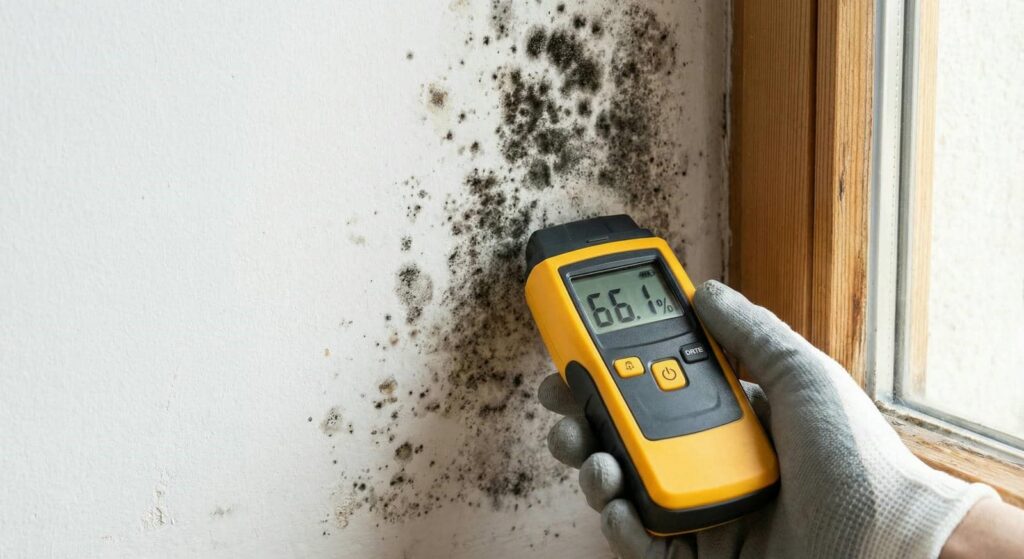
- Check hidden moisture in walls, floors, and baseboards with a moisture meter.
- Keep indoor humidity below 60% and maintain strong airflow until everything is dry.
- Clean and disinfect damp surfaces, and discard items that cannot be fully cleaned.
Act Fast to Remove Standing Water
Act fast to remove standing water, because the longer moisture sits, the faster mold can start to grow. You should shut off the source, if you can do it safely, then use a wet vacuum, pump, or buckets to clear every pooled area.
After that, move soaked items to a dry, ventilated space so water doesn’t keep feeding spores. Wear gloves and boots, and check hidden spots like under appliances and inside low spots.
For preventing mold after water damage, speed matters more than perfect cleanup at first. Stay organized, work room by room, and keep people away from slippery areas.
If the water came from sewage or a large flood, call a restoration team right away so your home stays safer and your community standards stay high.
Dry Out Walls, Floors, and Furniture
Once the standing water is gone, you need to dry walls, floors, and furniture as quickly as possible because damp materials can keep feeding mold.
Open windows if weather allows, then run fans and dehumidifiers to move air and pull moisture out.
Lift rugs, prop up cushions, and separate furniture from walls so air can circulate around every surface.
Remove wet fabrics, bedding, and upholstery inserts and dry them outdoors or with heat if safe.
Wipe hard surfaces with clean towels, then repeat until they feel dry.
Keep the indoor humidity low, ideally below 60%.
Check materials daily and continue drying until they’re fully dry to the touch.
If you’re working together after a loss, assign tasks and share updates so nothing stays damp too long.
Find Hidden Moisture in Walls and Floors
Even when surfaces feel dry, moisture can still be trapped inside walls, under flooring, and behind baseboards, where mold can start quickly.
You need to inspect these hidden zones with a moisture meter, focusing on drywall seams, subfloors, and trim edges.
Check for soft spots, discoloration, bubbling paint, or a musty odor, since these clues often point to retained water.
If you hear hollow sounds when tapping walls, compare them with drier sections.
Remove a small section of baseboard or outlet cover only if it’s safe, and look for damp insulation or staining.
Mark any affected areas, then recheck them daily until readings drop to normal.
Boost Airflow and Lower Humidity
Open windows and run fans to keep air moving through the affected area, because stagnant air lets moisture linger and mold develop faster. You’ll help your home recover faster when you push dry air across wet rooms and pull humid air out.
Set box fans near doorways, aim them outward, and keep vents clear. Use a dehumidifier to hold indoor humidity below 60%. Check a hygrometer daily so you can adjust quickly and stay in control together.
- Fans sweeping a hallway
- Sunlight cutting through a damp room
- A dehumidifier humming steadily
- Condensation fading from glass
- Curtains lifting with fresh airflow
Don’t close the space off until readings stay low and surfaces feel dry. When you manage airflow well, you protect your space and support everyone living there.
Clean and Disinfect Damp Surfaces
Scrub all damp surfaces with soap and water, then disinfect them to remove spores before they can spread. You should treat walls, floors, baseboards, cabinets, and furniture as soon as they’re accessible.
Use a detergent first to lift dirt, because disinfectants work best on clean surfaces. Apply a product labeled for mold control, following the contact time exactly. Wear gloves, eye protection, and an N95 mask if dust is present. Avoid mixing bleach with ammonia or other cleaners.
If materials stayed wet for more than 24 to 48 hours, inspect hidden seams and undersides carefully. Keep the area ventilated while you work, and discard items that can’t be fully cleaned.
Frequently Asked Questions
When Should I Call a Professional After Water Damage?
Call a professional right away if water’s contaminated, damage is widespread, materials stayed wet over 24 hours, or you smell mold. You’ll protect your home faster, avoid hidden damage, and prevent costly health risks.
How Long Does Mold Take to Appear After Flooding?
Mold can appear within 24 to 48 hours after flooding if you don’t dry materials quickly. You should inspect hidden areas, remove wet items, and improve airflow immediately so you stay ahead of growth.
Can Insurance Cover Mold Removal After Water Damage?
Yes, your insurance can cover mold removal if the policy covers the water damage source and you report it quickly. You’ll need documentation, mitigation steps, and sometimes a separate mold endorsement or limit.
Which Materials Should Be Discarded After Severe Water Exposure?
You should discard soaked drywall, insulation, carpet, ceiling tiles, particleboard, and upholstered furniture; they’re mold’s hidden hosts. Remove them fast, bag them, and replace them so you can restore a clean, safe space.
What Health Symptoms Suggest Hidden Mold Exposure?
You may notice persistent coughing, wheezing, congestion, headaches, fatigue, itchy eyes, skin irritation, or worsened asthma. If you’re experiencing these symptoms indoors, you should inspect for hidden mold and seek medical advice promptly.
Recap
Act fast, because standing water is basically an engraved invitation for mold to move in and redecorate your home in fuzzy gray. Shut off the source, dry every wall, floor, and chair like you mean it, and hunt for hidden moisture before it stages a comeback. Keep air moving, humidity low, and surfaces clean and disinfected. If an item can’t be saved within 24-48 hours, don’t sentimentalize it—discard it.
Recent Posts
How Property Damage Restoration Companies Assess Damage
Before a restoration crew starts work, property damage restoration begins with evaluating hidden hazards, not
Cost of Property Damage Restoration Services Explained
When you face property damage, the restoration cost can shift fast depending on the damage
Property Damage Restoration Insurance Claims Guide for Homeowners
After property damage, property damage restoration insurance claims require you to move quickly, document everything,