
Contents
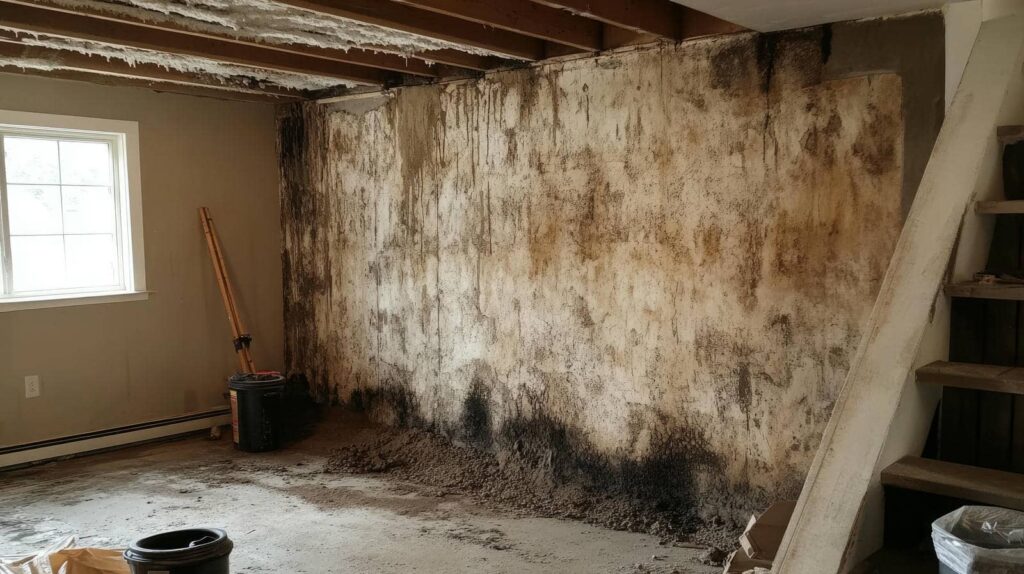
When tackling black fungal growth in your home, understanding the root cause of moisture is vital. It often stems from leaks or high humidity levels. Once you pinpoint the issue, preparing the area for effective cleaning becomes essential. This process involves more than just scrubbing; it requires specific cleaning solutions and techniques. If you’re looking to eradicate this problem for good, consider the preventive measures that follow.
Key Takeaways
- Identify and eliminate the source of moisture by checking for leaks, humidity, and ventilation issues in affected areas.
- Prepare the cleaning area by clearing clutter, wearing protective gear, and ensuring proper ventilation.
- Select an appropriate cleaning solution, such as bleach or commercial fungicide, based on the surface and extent of growth.
- Scrub the fungal growth using a stiff-bristled brush, keeping it wet with the cleaning solution for effective removal.
- Prevent future mold growth by fixing leaks, using dehumidifiers, and maintaining proper airflow in the environment.
Identify the Source of Moisture
To effectively combat black fungal growth, you first need to identify the source of moisture, as it serves as the primary catalyst for mold development. Start by inspecting your environment for moisture sources like leaks, condensation, or poor ventilation. Check areas prone to high humidity levels, such as bathrooms, kitchens, and basements. Pay attention to damp materials, as they can harbor mold spores.
Utilize a hygrometer to measure indoor humidity levels; ideally, they should stay between 30% and 50%. If you find humidity levels exceeding this range, it’s essential to take action to reduce moisture. Sealing leaks and improving airflow can greatly mitigate the issue. By pinpointing and addressing these moisture sources, you not only create a healthier living space but also foster a sense of belonging within your home, free from the threat of black fungal growth.
Prepare the Area for Cleaning
Before diving into the cleaning process, it is vital to prepare the area effectively to guarantee safety and efficiency. Taking the right steps now can help you avoid accidents and make your cleaning efforts more productive. Here are some important safety precautions and preparations to take into account:
- Clear the clutter: Remove any items that might obstruct your cleaning efforts or get damaged during the process.
- Wear protective gear: Equip yourself with gloves, goggles, and a mask to protect against harmful spores and cleaning agents.
- Ventilate the area: Open windows and doors to promote proper airflow, minimizing inhalation of fumes or spores.
- Gather cleaning tools: Assemble all necessary cleaning tools, such as brushes, buckets, and appropriate cleaning solutions, so you don’t have to pause mid-cleaning.
Apply a Suitable Cleaning Solution
With the area prepared and safety measures in place, applying a suitable cleaning solution is the next step in effectively removing black fungal growth. Choosing the right cleaning agents is essential for maximizing solution effectiveness. Look for products specifically designed to tackle fungal issues, as these will often contain powerful active ingredients.
Here’s a quick comparison of common cleaning solutions:
| Cleaning Agent | Effectiveness |
|---|---|
| Bleach | High – kills most fungi |
| Vinegar | Moderate – natural option |
| Commercial Fungicide | High – targeted action |
When selecting a solution, consider the surface type and the extent of the growth. Always follow the manufacturer’s instructions for the best results. Proper application will set the stage for a thorough removal process, ensuring you take a significant step towards a healthier environment.
Scrub and Remove the Fungal Growth
As you begin scrubbing the affected area, it’s important to use a brush with stiff bristles to effectively dislodge and remove the black fungal growth. Employing the right scrubbing techniques can make a significant difference in your fungal removal efforts. Here are some tips to enhance your cleaning process:
- Use circular motions to lift the fungus from the surface.
- Keep your brush wet with the cleaning solution for better penetration.
- Apply moderate pressure; too much can damage the surface, while too little may not remove the growth.
- Rinse the brush frequently to avoid spreading spores.
Remember to focus on the edges and corners where the growth is often more stubborn. After scrubbing, thoroughly rinse the area to wash away any remaining spores, ensuring that the fungal growth doesn’t return. With patience and diligence, you’ll achieve a cleaner, healthier space.
Prevent Future Mold Growth
To prevent future mold growth, addressing moisture control in your environment is essential. Start by identifying and fixing any leaks in your home, as even small drips can create a breeding ground for mold. Implementing preventative measures like using a dehumidifier can greatly reduce humidity levels, especially in damp areas like basements and bathrooms.
Ensure proper air circulation throughout your space. Open windows when weather permits and use fans to promote airflow. Keeping air moving helps to dry out areas that are prone to moisture accumulation. Additionally, avoid overcrowding rooms with furniture, as this can block airflow and trap humidity.
Regularly cleaning and maintaining your home can also help you stay ahead of mold issues. By combining these strategies, you’ll not only protect your home from mold but also create a healthier living environment for you and your loved ones.
Frequently Asked Questions
Can Black Fungal Growth Be Harmful to My Health?
Yes, black fungal growth can pose health risks. Mold exposure may lead to respiratory issues, allergies, and other health problems, especially for those with weakened immune systems. It’s essential to address it promptly for your well-being.
How Can I Tell if It’s Black Mold or Something Else?
To identify black mold, examine its texture and color. Black mold typically appears slimy or fuzzy and often smells musty. Compare it with other mold types; knowing these differences can help you make informed decisions about your environment.
Is Professional Help Necessary for Severe Mold Infestations?
Nearly 30% of homes face mold issues. If you’re dealing with severe infestations, using mold identification techniques and seeking professional remediation services guarantees safety and thoroughness, reducing health risks and preventing future problems.
What Materials Are Best for Scrubbing Away Mold?
To effectively scrub away mold, use durable scrubbing tools like brushes or sponges, paired with strong cleaning solutions such as vinegar or bleach. This combination guarantees thorough removal, helping create a healthier, mold-free environment for you.
How Long Does It Take for Mold to Return After Cleaning?
Mold can return within days to weeks after cleaning. To prevent this, implement mold prevention strategies and follow cleaning frequency recommendations. Consistent maintenance helps guarantee your space remains healthy and welcoming for everyone.
Summary
By tackling the source of moisture and diligently cleaning the affected areas, you can reclaim your space from the clutches of black fungal growth. Think of it as a battle: with each scrub and precautionary measure, you’re fortifying your home against future invasions. Remember, maintaining a dry and well-ventilated environment is your best ally. Embrace these steps, and watch as your home transforms back into a healthy haven, free from the shadows of mold.
Recent Posts
10 Best Flood Damage Restoration Methods for Homes
When disaster strikes your home with flood damage, knowing the best restoration methods can make
Top Flood Damage Restoration Techniques for Homes
Floods can devastate homes, yet effective restoration flood damage techniques can bring them back to
Step-by-Step Guide for Ceiling Water Damage Repair
Imagine standing beneath a sagging ceiling, water stains spreading like dark clouds overhead. It’s essential